Tooth pain but X-ray normal is a surprisingly common situation in dentistry. If you have a tooth that hurts even though the X-ray looks normal, it can feel confusing—and sometimes frustrating. But a normal X-ray does not mean nothing is wrong.
Some dental problems are too small, too early, or too subtle to appear clearly on imaging. That is why dentists rely on more than just X-rays to understand what is happening. If you came here after seeing the reel, this is the deeper explanation: pain in a tooth that looks normal on X-ray is often the first sign of a developing issue.
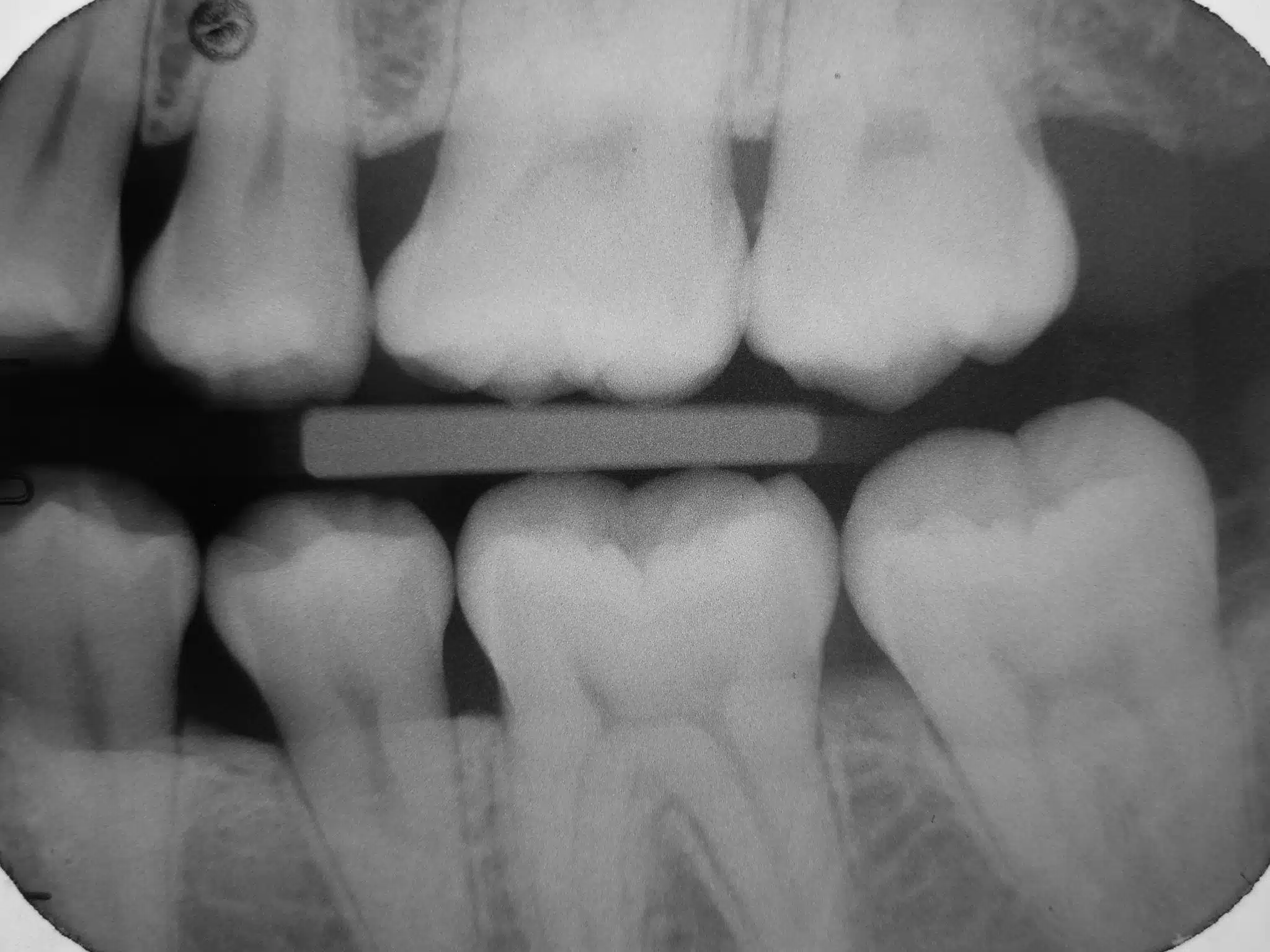
Tooth Pain but X-Ray Normal: Why This Happens
When patients experience tooth pain but X-ray normal, it often reflects the limitations of imaging. X-rays are excellent for detecting many structural changes in teeth and bone, but they do not always capture early inflammation, fine cracks, or bite-related stress.
In many cases, pain is the first signal—long before visible damage develops.
7 Possible Causes of Tooth Pain but X-Ray Normal
1. Small cracks in the tooth
Tiny cracks can cause sharp pain when biting or releasing pressure. These are often too fine to show on standard X-rays. This is one reason a cracked tooth can be easy to miss early on. For general background, see the American Association of Endodontists on cracked teeth.
2. Periodontal ligament inflammation
The ligament supporting the tooth can become inflamed from clenching, grinding, or bite imbalance. This can create soreness even when the X-ray appears normal.
3. Early nerve irritation
The pulp inside the tooth may be irritated before any visible damage appears. Sensitivity to temperature or lingering discomfort are common early signs—even when imaging looks unremarkable.
4. Bite imbalance or occlusal stress
Even a slight imbalance in your bite can overload a single tooth, leading to tenderness that does not yet show radiographically. This is especially relevant in people who clench or grind. You may also want to read our related article on bruxism causes.
5. Referred pain
Sometimes the source of pain is not the tooth itself. Sinus pressure, muscle tension, or nearby teeth can all create symptoms that feel like tooth pain—even when the X-ray looks normal.
6. Early decay or leaking restorations
Very small areas of decay or breakdown around fillings may not be visible yet, but can still irritate the tooth.
7. A problem still developing
Some conditions simply have not progressed enough to appear on imaging. This is another reason follow-up matters when symptoms persist.
Why Dentists Do Not Rely on X-Rays Alone
When evaluating tooth pain but X-ray normal, dentists consider far more than imaging. A proper diagnosis may include:
- your description of symptoms
- temperature testing
- bite pressure evaluation
- visual inspection and magnification
These factors often reveal the issue earlier than an X-ray can. For a broader overview of dental pain, see the American Dental Association’s acute dental pain overview.
When to Take Tooth Pain Seriously
If you have a tooth that hurts despite a normal X-ray, do not ignore it—especially if symptoms persist or worsen.
- pain when biting or releasing pressure
- lingering sensitivity
- pain that wakes you at night
- a tooth that feels “off”
These are early warning signs worth evaluating. If clenching or grinding may be part of the picture, our article on bruxism treatment options may also be helpful.
The Bottom Line
Tooth pain but X-ray normal does not mean nothing is wrong. In many cases, it means the problem is subtle, early, or not yet visible on imaging.
If you have a tooth that hurts even though the X-ray looks normal, your symptoms still matter. Early evaluation is often the key to preventing a more significant problem later.