Looking for effective bruxism treatment options? You’re not alone. Millions of adults silently struggle with bruxism — and the impact on their teeth, jaw, and sleep quality can be serious. In this post, we’ll cover seven of the most common ways people manage teeth grinding — and why the right fix depends on what’s really causing it. This article outlines the most common bruxism treatment options used today, so you can better understand your choices.
🧠 Why One Size Doesn’t Fit All
In a previous blog post, we looked at the many causes of bruxism — the unconscious clenching or grinding of teeth. For some people, it’s related to stress or poor sleep. For others, it’s due to how their teeth come together, the shape of their jaw, or even the side effects of medication.
Because there are so many different causes, there are also many bruxism treatment options. Here are seven of the most common approaches that dentists and specialists may use — along with what each one is designed to address.
1. Bite Balancing
This method is based on helping your jaw rest in a natural, stable position. Some dentists use custom guides or make small tooth adjustments to reduce the pressure from uneven biting. The goal is to prevent long-term wear and reduce tension in your jaw muscles.
2. Muscle Relaxation Therapies
Some dentists and specialists use technology to track jaw movement and muscle tension. Based on that info, they guide your jaw into a more comfortable position and may use a temporary device to help you “retrain” your bite. This approach often combines dental work with physical therapy-like techniques.
3. Orthodontic Corrections
In cases where crowded or misaligned teeth are the problem, braces or clear aligners may help. Straightening the bite can reduce grinding in some people — though this isn’t always the first step unless bite problems are severe.
4. Gum and Bone Support
Some dentists believe that strengthening the support around the teeth (the bone and gums) can reduce grinding. They may focus on treating gum inflammation or tooth looseness first, especially in adults who already have signs of gum disease.
5. Botox Injections
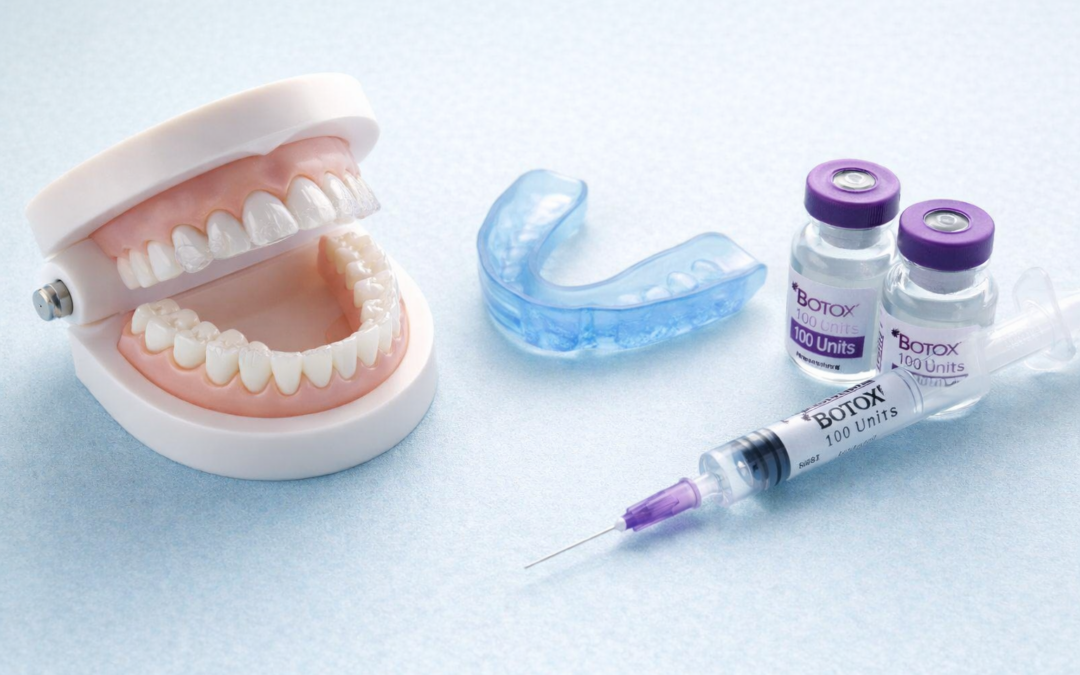
In severe cases, small doses of Botox may be used to relax the muscles that clench the jaw. This doesn’t fix the root cause, but it can reduce pain and protect teeth from wear. Learn more from the National Institutes of Health on Botox for bruxism.
6. Custom Night Guards
Night guards (also called occlusal splints) are worn while sleeping to reduce the damage caused by clenching. These can be helpful — but only when made to fit your bite. Some dentists may also recommend special designs for patients who grind in specific directions or have other bite irregularities. The type of guard matters — and getting it checked regularly is part of proper care.
Be cautious with over-the-counter night guards. One of my patients used one without telling me — and over time, it changed her bite so much that her front teeth no longer touched. It took full orthodontic treatment to correct it. That’s why I always recommend working with a dentist to make sure any guard fits properly and protects your teeth without shifting your bite.
7. Lifestyle & Nervous System Support
Sometimes, grinding is related to chronic stress, poor sleep, or other factors like diet, jaw tension, or medication. For those cases, calming the nervous system and supporting your overall wellness may be part of the solution — even if it doesn’t start in the mouth.
💬 Final Thoughts: Choosing the Right Bruxism Treatment Options
There’s no one-size-fits-all fix for bruxism. What works for one person might do nothing for another — and in some cases, the wrong fix can make things worse.
Whether you’re just noticing symptoms or have tried treatments that didn’t work, understanding the root cause is key. Knowledge gives you the power to make decisions that protect your teeth and overall well-being for years to come.
This blog isn’t here to sell you one specific fix — it’s here to help you understand your bruxism treatment options and ask better questions at your next dental visit. Whether it’s stress, posture, airway issues, or something else — understanding your own pattern is the first step toward choosing the right bruxism treatment option for you.
If you’re exploring bruxism treatment options, this overview can help you make sense of what’s out there — and what might work for you.
Want to explore more dental insights that go beyond the basics? Visit ToothWiz.com/blog for trusted, wellness-centered guidance.
You can use one or more of these high-authority sources (just don’t mark them “nofollow” in your editor):