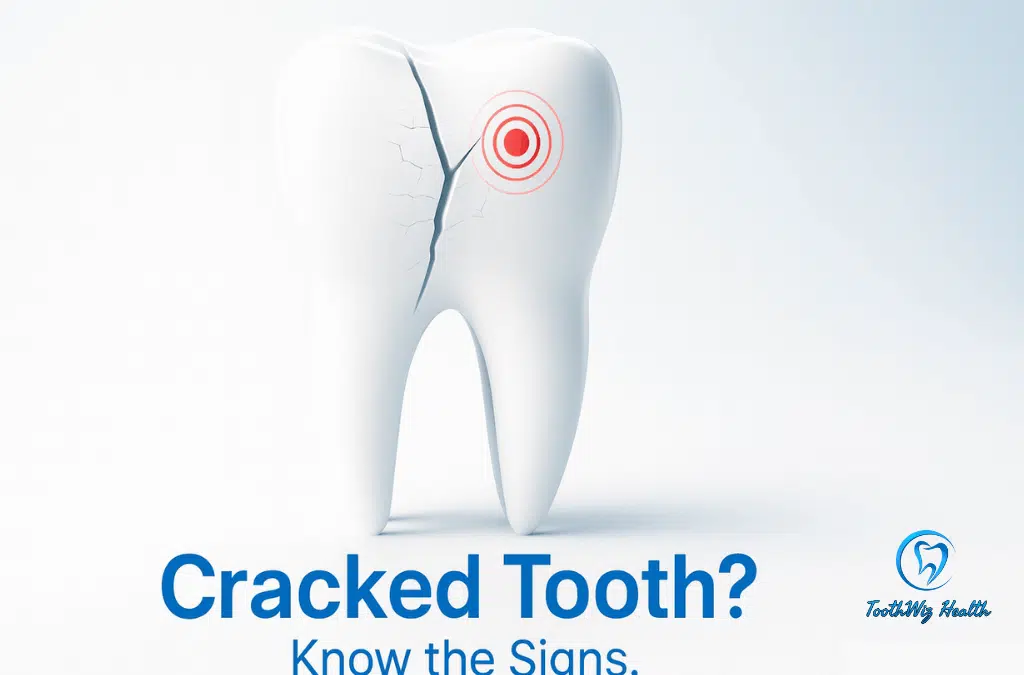
More people are keeping their natural teeth for life, which is good news for smiles—but it also means we are seeing more teeth develop structural problems over time. Heavy biting forces, large fillings, root canal treatments, and day-to-day stress can all weaken a tooth and set the stage for what dentists call a cracked tooth. In fact, cracked tooth problems are now one of the more common reasons adults report mystery biting pain.
If you are interested in a more technical background, you can also read my earlier article here: Cracked Tooth Information. The article you are reading now is designed as an updated, easy-to-follow guide to help you recognize the signs and understand your options.
Why are cracked tooth problems becoming more common?
Several trends are driving the increase in cracked tooth issues:
- We live longer and keep our teeth longer. Older teeth have been through decades of chewing, temperature changes, and dental work. Large fillings and endodontic treatments remove tooth structure and can leave the remaining tooth more fragile, making a cracked tooth more likely over time.
- Stress, clenching, and grinding are on the rise. Many people clench or grind their teeth when they are focused, anxious, or asleep. Some medications, including certain antidepressants (SSRIs), are associated with increased bruxism, which can amplify these forces and increase the risk of a cracked tooth.
- Substance use can accelerate damage. In patients with a history of methamphetamine or other stimulant use, severe bruxism and dry mouth often combine to produce shortened, worn, and cracked teeth.
- Dentists are simply better at finding cracks. With improved lighting, magnification, and imaging, cracks that once went unnoticed are now diagnosed more often.
Typical cracked tooth symptoms
Cracks do not always behave like a “normal” cavity or toothache. When you have a cracked tooth, the symptoms can seem a bit strange or inconsistent.
- Sharp, brief pain when chewing or biting. Pain often occurs as you bite down or when you release biting pressure.
- Sensitivity to temperature, especially cold. A sip of cold water or air can trigger a quick, sharp twinge.
- Pain that comes and goes. You may go days feeling fine and then suddenly get a streak of discomfort when you chew on a certain area.
- Normal tap test. Tapping with a dental instrument (percussion) may not reproduce the pain, which can make the problem more confusing.
Important: These symptoms are not proof of a cracked tooth. Other conditions, such as inflamed pulp or gum problems around a tooth, can feel very similar. A proper diagnosis always requires a clinical exam.
Why a cracked tooth can be hard to diagnose
From the dentist’s side, crack-related problems can be some of the most challenging cases in everyday practice. Cracked tooth syndrome is known for variable, sometimes vague symptoms and for being difficult to confirm on X-rays.
The “mystery tooth” story
Many patients describe a long history of odd biting pain that is hard to put into words. They may have:
- Episodes of sharp pain when chewing on one side, but not every time.
- Cold sensitivity that comes and goes.
- No obvious pain when the tooth is tapped or pressed.
- Dental X-rays that look normal, or nearly normal.
It is not unusual for someone to see more than one dentist, try different adjustments or restorations, and still have symptoms before a cracked tooth is finally identified. In some cases, a 3-D scan (CBCT), transillumination, or special dyes are needed to make the crack visible. Other times, the true extent of the problem is only discovered after an old filling or crown is removed, or when a narrow, deep periodontal pocket appears along the root.
If you would like to see how a professional organization describes this condition, the American Association of Endodontists has a helpful page on cracked teeth here: Cracked Teeth – AAE.
How serious can a crack become?
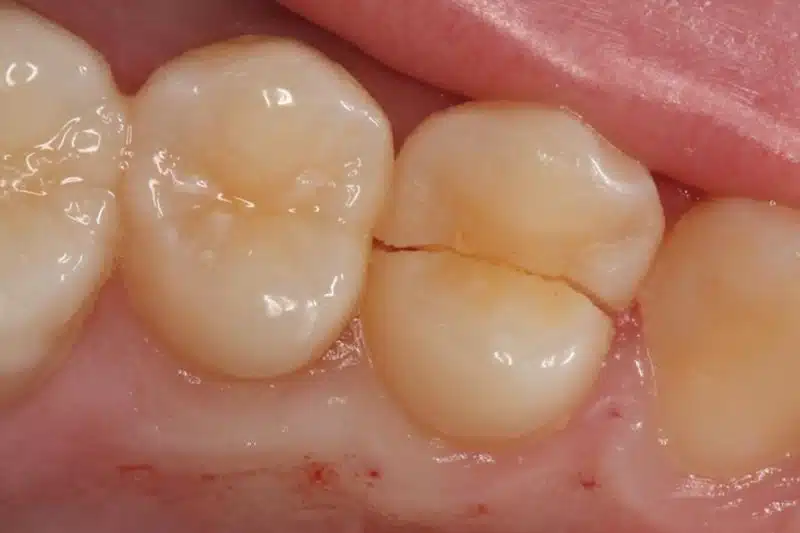
Not all cracks are equal. Tiny craze lines in the enamel are extremely common and are usually harmless. Deeper cracks that extend into the dentin, or all the way into the pulp, are more concerning:
- Shallow structural cracks may cause biting sensitivity but can often be stabilized with an onlay or crown.
- Cracks that reach the pulp can inflame or infect the nerve inside the tooth, leading to lingering pain, swelling, or an abscess if bacteria enter.
- Vertical root fractures that extend down the root often have a poor long-term prognosis and may require extraction.
The earlier a significant crack is diagnosed, the more options you usually have to protect and preserve the tooth and avoid losing it altogether.
What you can do if you suspect a cracked tooth
If you notice biting pain, temperature sensitivity, or a pattern of “mystery” tooth discomfort that comes and goes, it is worth getting it checked promptly. Here are practical steps you can take if you suspect a cracked tooth:
- Pay attention to patterns. Gently test chewing on one side and then the other. Note whether the pain occurs on biting, on release, or with cold drinks, and share this with your dentist.
- See a dentist sooner rather than later. Waiting for the pain to “settle down” can allow the crack to deepen, sometimes turning a restorable tooth into one that needs extraction.
- Ask what the exam will include. In addition to regular X-rays, your dentist may use magnification, fiber-optic light, special bite tests, or 3-D imaging to look for subtle cracks.
- Discuss all reasonable treatment paths. Depending on the crack’s location and depth, options might range from monitoring and protective bite guards to restorations, or in some cases, referral to an endodontist for further evaluation.
About root canal treatment: When a crack has irritated or infected the pulp, many dentists will recommend root canal therapy as a way to keep the tooth rather than remove it. Whether that makes sense for you depends on the extent of the crack, how the tooth fits into your overall health priorities, and how you feel about this procedure. A thoughtful, individualized discussion with your dentist or endodontist is essential before deciding.
Reducing your risk of future cracks
You cannot control every variable, but you can lower your lifetime risk of a significant cracked tooth with a few practical habits:
- Protect your teeth from excess forces. If you clench or grind, especially at night, ask about a custom nightguard. Address high-stress habits like chewing ice, pens, or very hard foods. The American Dental Association also has a useful overview of bruxism and nightguards here: Bruxism – MouthHealthy.
- Maintain and update older dental work. Very large or aging fillings may need to be replaced with stronger restorations before they fail. Regular checkups make it easier to catch these issues early.
- Support your enamel and overall oral health. A diet that minimizes frequent sugar and acid exposure, along with good daily home care and appropriate professional products, keeps the outer shell of the tooth more resilient. For a deeper dive into enamel repair and protection, see my article on enamel remineralization.
- Think whole-body, not just tooth-by-tooth. Systemic health, medications, sleep quality, and nutrition all influence how your teeth handle stress over time. If you are interested in nutritional and supplemental support for oral and general health, you can learn more on the ToothWiz Vitamins page.
When to seek urgent care
Most cracked tooth problems evolve gradually, but some situations deserve same-day attention:
- Sudden, severe pain after biting on something hard.
- A piece of tooth or filling that breaks off.
- Facial swelling, pimple-like bumps on the gum, or throbbing pain that keeps you up at night.
If any of these occur, treat it as a dental emergency and contact a dentist or urgent care provider as soon as possible.
Bottom line: listen to your teeth
Cracks are not always easy to see or simple to diagnose, and the symptoms can be confusing—even for experienced clinicians. But they are also very real, and catching a cracked tooth early can mean the difference between a conservative restoration and losing the tooth.
If you have unexplained biting pain or temperature sensitivity that just does not feel right, trust your instincts. Get it evaluated, ask questions, and take the time to understand your options so you can choose the path that fits both your mouth and your values.