Ah, yaeba. This quirky dental trend has taken the world by storm, particularly among young adults in Japan. But what is yaeba exactly? In short, it refers to the deliberate alteration of one’s teeth to create a charmingly imperfect smile. Think of it as the dental equivalent of wearing your favorite vintage band tee—deliberately worn but undeniably cool.
Definition of Yaeba
At its core, yaeba teeth are characterized by their crookedness, particularly the canine teeth that protrude slightly. This aesthetic is not just a random fad; it’s a carefully curated look that embodies a unique blend of beauty and individuality. The yaeba smile has become synonymous with youthfulness and playfulness—traits highly valued in modern Japanese culture.
Origin of the Trend
The roots of this trend can be traced back to traditional Japanese beauty norms that have long celebrated imperfection as a form of charm. The concept aligns well with the idea of charming crooked teeth, which many find endearing. It’s almost like how we adore our favorite quirky characters in movies—flaws make them relatable and lovable!
The yaeba trend surged in popularity around 2008, largely influenced by celebrities flaunting their own yaeba smiles. These celebrity endorsements sparked a wave of interest among fans eager to replicate that unique look. A survey conducted by the Japanese Association of Orthodontists found that 41% of respondents preferred women with yaeba, highlighting its cultural significance.
Significance in Japanese Culture
The yaeba trendreflects deeper cultural beauty standards in Japan, where uniqueness is often celebrated over conventional perfection. While traditional aesthetics prized straight and white teeth, modern sensibilities have shifted towards embracing individuality through trends like yaeba cosmetic dentistry.
This shift represents a broader acceptance of diverse beauty standards in Japan and beyond. As young adults increasingly seek out ways to express their identity through their appearance, yaeba serves as a striking example of how personal expression can manifest even in something as fundamental as our smiles.
Interestingly, this trend isn’t limited to Japan; it has sparked interest globally as people explore various dental fashion statements. From toothreshaping Japan techniques to the rising popularity of braces designed specifically for achieving that coveted yaeba look, it’s clear that this trend is here to stay.
The Appeal of Yaeba Among Young Adults
Psychological Factors Influencing Attraction to Imperfections
The allure of yaeba among young adults can be partly attributed to psychological factors. In a world dominated by polished perfection, there’s something refreshingly rebellious about embracing flaws. This trend taps into a deep-rooted desire for authenticity and individuality. Think of it as the beauty equivalent of a well-loved, slightly worn-out book; it tells a story and feels relatable.
Research shows that people are often drawn to imperfections because they evoke warmth and approachability. A study in the Journal of Experimental Social Psychology found that people perceive those with minor flaws as more likable and trustworthy. So, when young adults choose a yaeba smile, they are not just altering their appearance; they are making a statement about who they are.
Social Media’s Role in Popularizing Yaeba
If you’ve ever scrolled through Instagram or TikTok, you know how quickly trends can catch fire. The yaeba trend is no exception! Social media platforms have played a significant role in popularizing this unique dental fashion statement. With influencers showcasing their own yaeba smiles, the trend has spread like wildfire, encouraging others to embrace their own quirks.
Influencer Impact: Many young adults follow influencers who flaunt their yaeba teeth, leading to increased interest in the dental procedure.
Visual Appeal: The striking visuals of yaeba smiles make them highly shareable, creating a ripple effect across social media platforms.
Cultural Exchange: As the trend gains traction outside Japan, it fosters a cultural exchange that highlights different beauty standards globally.
This digital exposure has made yaeba more than just a passing fad; it’s become part of an ongoing conversation about beauty norms and self-expression.
Cultural Shifts Towards Embracing Uniqueness and Individuality
The rise of yaeba reflects broader cultural shifts towards embracing uniqueness and individuality—not just in Japan but around the globe. As traditional beauty standards evolve, many young adults are seeking ways to express their identity through their appearance. This is particularly true in countries where conventional aesthetics have long dominated.
A 2011 survey by Oricon Style ranked yaeba as one of the top beauty trends in Japan, illustrating its growing acceptance among youth and its impact on cultural beauty standards.
This shift is not merely cosmetic; it represents a deeper desire for self-acceptance and personal expression. Young adults today are more inclined to celebrate what makes them different rather than conforming to outdated ideals of perfection. The yaeba dental procedure, whether achieved through traditional braces or modern techniques like tooth reshaping, allows individuals to embrace their unique smile aesthetics while challenging societal norms.
If you’re intrigued by the idea of adopting your own version of this charming crooked teeth beautytrend, remember: it’s all about celebrating your individuality! Whether you’re considering yaeba braces or simply want to explore unique smile aesthetics, take inspiration from those who have already embraced this playful approach to dental fashion.
Yaeba and Dental Health: A Holistic Perspective
Understanding the Impact of Yaeba on Oral Health
While the yaeba trend is undeniably charming, it raises important questions about dental health. The deliberate alteration of teeth to achieve that covetedyaeba smilecan have implications beyond aesthetics. For instance, crooked teeth beauty may enhance one’s appearance, but they can also lead to issues like misalignment and difficulty in cleaning.
Many young adults considering this trend should be aware of the potential for increased plaque buildup or even gum disease due to hard-to-reach areas created by double tooth trends. Regular dental check-ups become even more critical for those sporting a yaeba look, ensuring that their unique smiles remain healthy.
Comparative Analysis with Traditional Dental Aesthetics
The traditional view of dental aesthetics emphasizes straight, white teeth as the gold standard. However, the emergence of yaeba challenges this notion. While traditional braces focus on achieving uniformity, yaeba bracesoften aim for a more playful and imperfect look.
Aspect
Traditional Aesthetics
Yaeba Aesthetics
Appearance Goal
Straight and uniform teeth
Crooked and charmingly imperfect smile
Treatment Focus
Crowding correction and alignment
Cultivating uniqueness through selective alteration
Cultural Perception
Perfection is idealized
Imperfection is celebrated as authentic beauty
Dental Procedure Type
Braces and aligners for straightening teeth
Yaeba dental procedure: cosmetic alterations to create desired imperfections
The Importance of Preventive Care in Maintaining Dental Wellness Despite Cosmetic Choices
If you’re thinking about jumping on the yaeba bandwagon, remember that preventive care is your best friend! Regular brushing, flossing, and dentist visits are essential to keep your unique smile healthy. Here are some tips for maintaining oral wellness while indulging in aesthetic choices:
Stay Consistent: Brush at least twice a day and don’t forget to floss! This helps minimize plaque buildup around those charmingly crooked areas.
Mouthwash Matters: Using an antibacterial mouthwash can help reduce bacteria in hard-to-reach spots.
Dentist Check-Ups: Schedule regular check-ups every six months to catch any potential issues early on.
Nutritional Choices: Eating a balanced diet rich in calcium can support overall dental health while you flaunt your unique style!
Avoid Hard Foods: Be cautious with hard candies or nuts that could damage your altered teeth.
Sensitivity Awareness: If you experience sensitivity due to tooth modifications, consult with your dentist about protective options.
Mental Health Check: Embrace your unique smile but also be aware of how societal pressures might affect your self-esteem; remember that beauty comes in many forms!
The key takeaway? You can rock a fabulousyaeba smile, but don’t forget about keeping those pearly whites healthy! After all, a radiant smile starts with good care.
The Process of Achieving Yaeba: What You Need to Know
Cosmetic Procedures Available for Enhancing Yaeba
If you’re ready to embrace the yaeba trend, there are several cosmetic procedures that can help you achieve that charmingly imperfect smile. Here’s a quick rundown:
Yaeba Braces: Unlike traditional braces that aim for straightness, yaeba braces are designed to enhance the crookedness of your teeth. They focus on creating a playful, youthful appearance.
Veneers: These thin shells can be applied to your teeth to create the desired look of imperfections without altering the actual structure of your teeth.
Bonding: Dental bonding allows for selective reshaping of certain teeth, giving them that coveted yaeba aesthetic while maintaining overall dental health.
Tooth Reshaping: This involves minor alterations to the shape and size of your teeth to enhance their unique characteristics, fitting perfectly within the double tooth trend.
While these procedures can help you achieve a distinctive yaeba smile, it’s essential to consult with a qualified dentist who understands this unique aesthetic. They can guide you through the best options tailored to your individual needs.
Natural Methods to Achieve a Similar Look Without Invasive Procedures
If you’re not quite ready for cosmetic alterations but still want to channel that natural yaeba look, there are some non-invasive methods you can explore:
Mouth Exercises: Certain mouth exercises can help create subtle shifts in your smile. Think of it as yoga for your jaw!
Lip Positioning: Playing with how you position your lips while smiling can give off a more relaxed, imperfect vibe—perfect for channeling yaeba without any changes!
Dental Wax: Some individuals use dental wax temporarily on their teeth to mimic imperfections while they figure out their next steps.
Cultural Embrace: Simply embracing and showcasing your natural smile with confidence can often reflect the essence of yaeba without any modifications.
Considerations and Potential Risks Associated with Altering Dental Aesthetics
Before pursuing a yaeba smile, it’s crucial to consider potential risks and implications for your oral health. Here are some key points to keep in mind:
Dental Health Risks: Altering your teeth might lead to complications like misalignment or difficulty cleaning, which could increase plaque buildup and gum disease risk.
Cultural Rebellion vs. Personal Choice: While embracing yaeba may feel like a rebellion against Western beauty ideals, ensure that the choice resonates personally.
Candidacy Concerns: Not everyone is an ideal candidate for yaeba procedures—existing dental health should be evaluated by a professional first.
Pain and Discomfort: Some procedures may involve discomfort during treatment or recovery.
Misinformation Awareness: Always seek expert advice over anecdotal experiences from social media influencers.
The bottom line? While achieving a stunning yaeba smile may seem exciting, it’s essential to think about aesthetics and long-term oral health.
The Future of Yaeba: Trends and Predictions
Potential Evolution of the Trend in Different Cultures
The yaeba trendisn’t just a fleeting moment in Japan; it’s poised to evolve and adapt across cultures. As global beauty standards shift, we may see a rise in similar trends that celebrate imperfections in dental aesthetics.
The Role of Influencers and Celebrities in Shaping Perceptions of Beauty Standards
Influencers and celebrities have propelled the yaeba trend globally, normalizing this once-niche aesthetic and encouraging a wider conversation about beauty norms.
Predicting the Sustainability of Yaeba as a Long-Term Trend Among Young Adults
Sustainability depends on cultural relevance, evolution, and dental health awareness. Experts caution that altering teeth for aesthetics can lead to long-term dental issues (Japan Today).
Wrapping Up: Embracing Individuality in Dental Health Choices
The Importance of Informed Decision-Making Regarding Dental Aesthetics
As we close out our deep dive into the yaeba trend, it’s essential to highlight the importance of making informed choices. Whether you’re considering ayaeba dental procedure or simply contemplating your smile’s aesthetic, understanding the implications is key.
A Holistic Approach to Oral Health and Beauty Standards
Yaeba reflects cultural shifts towards individuality and rejecting conventional beauty standards. In Japan, cultural beauty standards have long celebrated imperfections. Globally, the trend is also gaining traction.
Encouragement for Readers to Embrace Their Unique Smiles While Prioritizing Wellness
Celebrate what makes you unique while prioritizing your oral health. Whether you choose yaeba braces, explore non-invasive options, or embrace your natural smile, authenticity is key.
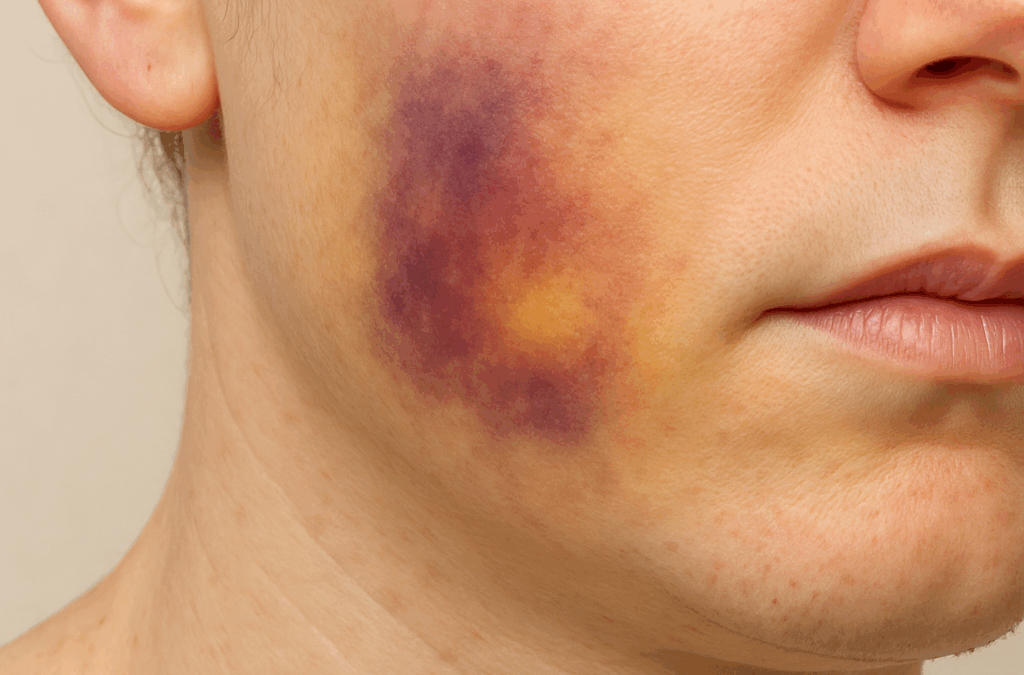
Bruising after tooth extraction isn’t always expected, but it does occur often enough that patients should know what it means. While many people anticipate some soreness or swelling after a tooth is removed, the appearance of dark purple, blue, or yellow marks on the cheek or jaw can take them by surprise. The good news is that in most cases, bruising is harmless and resolves on its own. Still, there are times when it signals something that requires your dentist’s attention. This article explains why bruising happens, what to expect during healing, and when to call your dentist.
The Medical Name for Bruising
The clinical term for this presentation is ecchymosis. Ecchymosis describes the discoloration that occurs when blood vessels under the skin or gum tissue rupture, allowing a small amount of blood to leak into surrounding tissues. Patients often find comfort in knowing that what they’re experiencing has a name and is recognized as a common response to tissue trauma.
Why Bruising After Tooth Extraction Happens
Bruising after tooth extraction is not considered the “normal” or anticipated outcome, but it can occur under a variety of circumstances. Some of the most common contributing factors include:
Complex extractions that require additional pressure, surgical cuts, or tissue stretching
Teeth with long or firmly anchored roots that resist removal
Age-related changes, since older adults often have more delicate blood vessels
Medications such as aspirin, warfarin, or other blood thinners that reduce clotting ability
Interestingly, bruising doesn’t always match the difficulty of the case. A complicated surgical extraction may leave no visible bruise, while a relatively easy removal can sometimes result in unexpected discoloration.
What About Bleeding?
Dentists rarely, if ever, dismiss patients while active bleeding is still occurring. Before you leave the office, your dentist or oral surgeon will ensure that a blood clot has formed and that the surgical site is stable. However, bleeding can recur once you are home—most often because aftercare instructions weren’t followed exactly.
Common causes of renewed bleeding include:
Vigorous rinsing or spitting, which can dislodge the clot
Drinking through a straw, which creates suction at the site
Probing the wound with your tongue or fingers
Smoking too soon after surgery, which interferes with healing
One of the most frequent examples dentists encounter is smoking. Despite clear warnings, some patients step outside immediately after their appointment and light up. This not only risks renewed bleeding but also significantly increases the chance of developing dry socket, a painful complication caused by the loss of the protective clot.
How Long Does Bruising After Tooth Extraction Last?
The timeline for ecchymosis is similar to bruising elsewhere on the body. Most cases follow this predictable pattern:
Days 1–3: Discoloration appears dark purple, blue, or even black
Days 4–6: The bruise begins to fade into a greenish hue
Days 7–10: The bruise takes on a yellow tone before disappearing
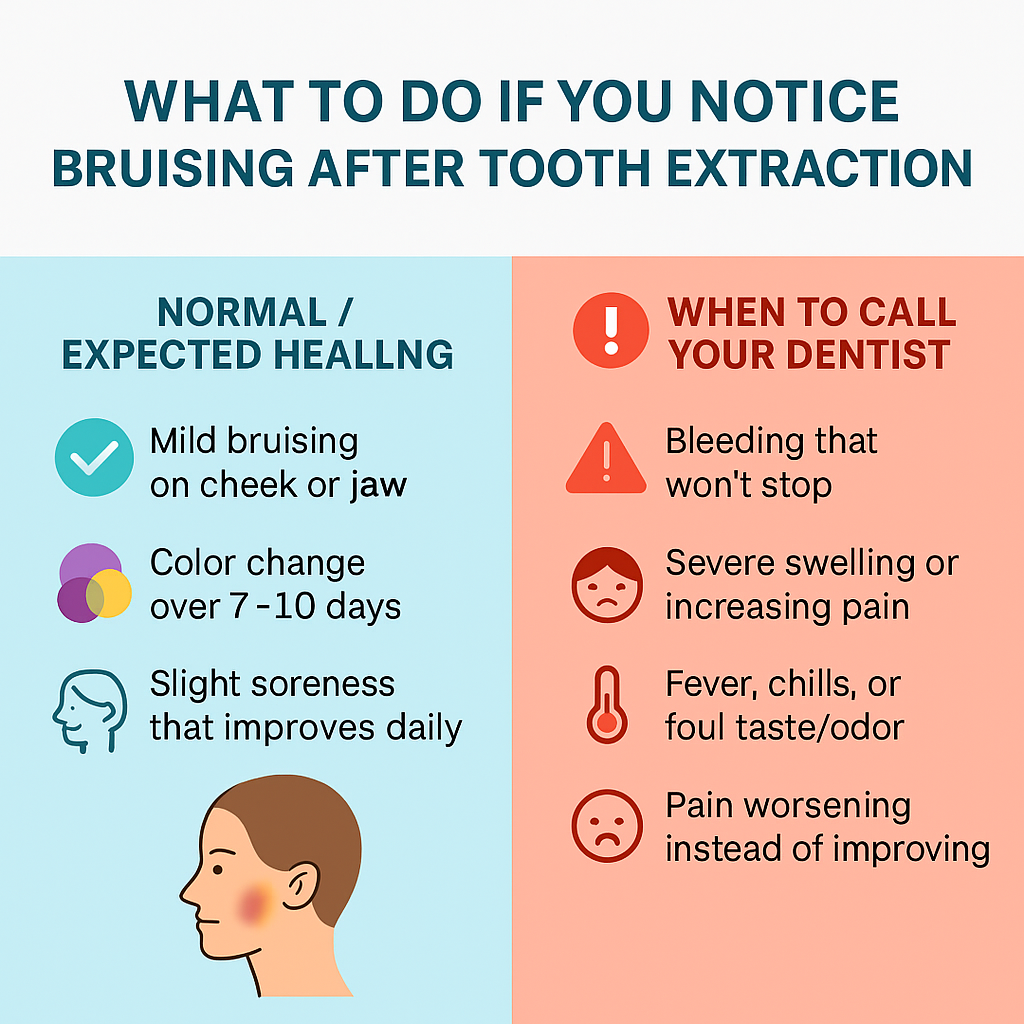
For most patients, bruising resolves within 7–10 days, though in some cases it may persist slightly longer depending on the size and depth of the ecchymosis.
Tips to Minimize Bruising and Swelling
While bruising isn’t always preventable, there are steps you can take to reduce the likelihood or severity:
Apply a cold compress or ice pack to the outside of the cheek for the first 24 hours (20 minutes on, 20 minutes off)
Keep your head elevated when resting to reduce blood flow to the area
Avoid aspirin unless prescribed, as it may increase bleeding and bruising
Follow your dentist’s aftercare instructions carefully
Eat soft foods and avoid chewing near the extraction site
These steps won’t guarantee you’ll avoid ecchymosis, but they can help support smooth healing.
When Should You Be Concerned?
Most cases of bruising after tooth extraction resolve without any intervention. However, you should call your dentist if you notice:
Severe or worsening swelling instead of gradual improvement
Bleeding that does not stop with firm pressure on gauze
Pain that is increasing rather than decreasing after a few days
Fever, chills, or general malaise
These signs may point to infection or another complication that requires attention. Prompt communication with your dental provider is always the safest course of action.
FAQ: Common Patient Concerns
Can I prevent bruising after tooth extraction?
Not completely. Some factors are outside your control, such as your age or how your body reacts to trauma. However, following aftercare instructions and avoiding risky behaviors like smoking can minimize your risk.
Does bruising mean something went wrong with my extraction?
Usually not. Bruising is simply your body’s natural response to minor trauma and does not mean that the procedure was poorly performed.
What if I’m on blood thinners?
Be sure to inform your dentist of all medications before treatment. In many cases, adjustments aren’t needed, but your dentist may take additional precautions to reduce your risk of bleeding or bruising.
The Bottom Line
While bruising after tooth extraction is not the expected outcome, it does happen—and sometimes even after procedures that seemed routine. The condition, known as ecchymosis, usually fades within a week to ten days. By following instructions carefully, using cold compresses, and avoiding behaviors like smoking, most patients recover without complication. If anything seems unusual, don’t hesitate to contact your dentist for reassurance or additional care.
Welcome to the world of Natural Oral Health, where a bright smile meets eco-friendly practices! If you’ve ever found yourself staring at the ingredients list on your toothpaste and wondering if you need a chemistry degree to decipher it, you’re not alone. Many are shifting towards natural oral care solutions that prioritize our health and the planet.
Did you know that over 75% of dental products contain chemicals that can be harmful? It’s time to rethink our oral hygiene routine!
Importance of Natural Remedies in Dental Care
The importance of natural remedies in dental care cannot be overstated. With rising awareness about the dangers of certain additives, many are opting for holistic dental solutions. Think of it as swapping out your classic rock playlist for smooth jazz-both can be enjoyable, but one is a lot easier on the ears (and your body).
Chemical-Free Options: Products like chemical-free toothpaste, fluoride-free mouthwash, and biodegradable toothbrushes are becoming household staples.
Bad Breath: Ditch chemical-laden breath fresheners for safe and effective alternatives made from natural ingredients.
Connection Between Oral Health and Overall Wellness
The link between oral health and overall wellness is like peanut butter and jelly-perfectly paired! Poor dental hygiene can lead to serious health issues beyond just bad breath. Studies suggest that bacteria from gum disease can enter the bloodstream, potentially affecting heart health. By adopting a regimen focused on preventive dental care we not only improve our smiles but also support our bodies’ well-being.
This holistic approach encourages us to think critically about what we put into our bodies. Are those mainstream products really doing more good than harm? With options like probiotic oral health supplements, which promote healthy bacteria in your mouth, or even Ayurvedic dental care practices, there’s plenty to explore!
The journey toward embracing natural oral health is both exciting and empowering. As more people become aware of the benefits of eco-friendly dental products, we’re seeing a shift towards safer alternatives that respect both personal health and environmental sustainability. So grab your biodegradable toothbrush and let’s dive deeper into how we can tackle common dental problems naturally!
Cavities: Prevention and Natural Remedies
Understanding Cavities and Their Causes
Cavities are like unwanted party crashers in your mouth, sneaking in when you least expect them. They occur when bacteria in your mouth produce acids that erode tooth enamel, leading to decay. This can be caused by a variety of factors, including:
Poor Oral Hygiene: Neglecting regular brushing and flossing can create a haven for bacteria.
Diet High in Sugars: Those candy bars and sodas might be delicious, but they’re also cavity magnets.
Dry Mouth: Saliva helps neutralize acids; without it, your teeth can suffer.
Acidic Foods and Drinks: Citrus fruits and sodas can wear down enamel over time.
Natural Prevention Methods
The best offense is a good defense! Here are some natural oral health strategies to keep cavities at bay:
Regular Brushing: Use chemical-free toothpaste that contains natural ingredients like baking soda or activated charcoal for gentle cleaning.
Floss Daily: Don’t skip this step! Flossing helps remove food particles that brushing might miss.
Mouth Rinses: Opt for a natural mouth rinse, such as one made with essential oils, to combat bacteria without harsh chemicals.
Sugar-Free Gum: Chewing xylitol gum can help stimulate saliva production and reduce cavity-causing bacteria.
A study published in the Journal of Dental Research found that regular use of xylitol can reduce cavities by up to 70%!
Note of Caution: Xylitol and Heart Health
While xylitol’s cavity-reducing benefits are well documented, recent research suggests we should use it judiciously—particularly in large doses.
A major study published in the European Heart Journal found that individuals with the highest xylitol levels in their blood had about double the risk of heart attack, stroke, or death over a three-year period compared to those with the lowest levels.
Mechanistic studies showed that xylitol increased platelet sensitivity in both human and animal models—making blood clotting more likely, a potential trigger for cardiovascular events.
These findings are associative, not definitive—and some reviews emphasize the need for more research before drawing firm conclusions.
In holistic communities especially cautious around any potential health risk, it’s reasonable to moderate xylitol intake—favoring small, targeted use (like in toothpaste or gum) over larger dietary doses.
Summary: Yes, xylitol helps prevent cavities—but high systemic exposure may carry cardiovascular concerns. Modest use—as part of a wider natural oral health plan—is the most balanced approach.
Home Remedies for Early-Stage Cavities
If you catch cavities early, there’s hope! Here are some DIY oral health remedies that may help reverse early-stage decay:
Nutrient-Rich Diet: Incorporate foods rich in calcium and phosphorus, like leafy greens and nuts, to help remineralize teeth.
Coconut Oil Pulling: Swishing coconut oil around your mouth can help draw out toxins and bacteria while promoting overall oral hygiene.
Homemade Toothpaste Recipes: Mix baking soda with coconut oil and essential oils for a natural toothpaste alternative that fights cavities effectively.
Aloe Vera Gel: Applying aloe vera directly to the affected area may aid healing due to its antibacterial properties.
The journey toward natural oral care is both empowering and effective. By adopting these practices, you’re not just treating cavities but also embracing a healthier lifestyle. Remember, prevention is key-so start implementing these strategies today!
If you suspect you’re facing cavity issues, schedule a visit with your holistic dentist to discuss the best course of action tailored just for you!
Gum Disease: Symptoms and Treatment Options
Types of Gum Disease
Gum disease comes in two main flavors: gingivitis and periodontitis. Think of gingivitis as the warning light on your car dashboard; it tells you something’s off before it escalates into a full-blown engine failure (a.k.a. periodontitis).
Gingivitis: The early stage, often characterized by red, swollen gums that bleed during brushing. It’s like that annoying friend who keeps showing up uninvited, but with a little attention, you can send them packing!
Periodontitis: If gingivitis is left untreated, it can progress to periodontitis. This is when the inflammation spreads deeper into the supporting structures of the teeth, leading to potential tooth loss. It’s like ignoring that friend until they start crashing your parties-definitely not fun!
Signs and Symptoms to Watch For
So how do you know if your gums are throwing a tantrum? Here are some classic signs:
Bleeding Gums: If your gums bleed when brushing or flossing, that’s a red flag waving at you!
Persistent Bad Breath: If minty freshness doesn’t seem to last long enough, gum disease might be the culprit.
Swollen or Tender Gums: If your gums feel more like jelly than firm tissue, it’s time to take action.
Receding Gums: If your teeth look longer than usual or your gums seem to be shrinking away from your teeth, don’t ignore this sign.
A study from the American Academy of Periodontology found that nearly 50% of adults over 30 have some form of gum disease!
Natural Treatments for Gum Disease Management
The good news is that managing gum disease doesn’t have to involve harsh chemicals or invasive procedures. Here are some natural treatments for gum disease management:
Herbal Oral Hygiene: Incorporate rinses made from herbal ingredients like sage or chamomile. These can help soothe inflammation and promote healing.
Coconut Oil Pulling: Swishing coconut oil can help reduce bacteria in the mouth while providing a gentle cleanse.
Nutrient-Rich Diet: Eating foods high in vitamins C and D can bolster gum health. Think leafy greens and citrus fruits-your gums will thank you!
Diy Natural Mouth Rinse: Create a mouth rinse using water mixed with essential oils like tea tree oil for its antibacterial properties.
Aloe Vera Gel: Applying aloe vera directly to inflamed gums can help reduce swelling and promote healing thanks to its soothing properties.
The journey toward natural oral health, particularly with regards to gum disease, is all about consistency and care. By integrating these holistic dental solutions into your routine, you’re not just addressing symptoms but also enhancing your overall well-being.
If you’re experiencing any signs of gum disease, it’s crucial to consult with a holistic dentist who can guide you through tailored treatment options that align with natural oral care principles. Your smile deserves it!
Tooth Sensitivity: Causes and Home Solutions
Common Causes of Tooth Sensitivity
Tooth sensitivity can feel like a surprise ice bath for your teeth, catching you off guard when you sip that hot coffee or bite into a cold scoop of ice cream. But what causes this discomfort? Here are some common culprits:
Worn Enamel: Over time, the protective layer of enamel can wear down due to aggressive brushing or acidic foods.
Gum Recession: When gums pull back, they expose the sensitive roots of your teeth, leading to discomfort.
Cracked Teeth: Cracks can harbor bacteria and lead to inflammation, making your pearly whites more sensitive.
Dental Procedures: Recent treatments like fillings or whitening can temporarily heighten sensitivity.
Natural Remedies to Alleviate Discomfort
If you’re tired of feeling like your teeth are auditioning for a horror movie every time you eat or drink, fear not! Here are some natural oral health remedies that may help alleviate tooth sensitivity:
Desensitizing Toothpaste: Look for toothpaste formulated for sensitive teeth; these often contain potassium nitrate to help block pain signals.
Coconut Oil Pulling: Swishing coconut oil around in your mouth can help reduce bacteria and soothe inflammation.
Nutrient-Rich Foods: Incorporate foods rich in calcium and phosphorus, like almonds and leafy greens, to support enamel health.
Aloe Vera Gel: Applying aloe vera directly to sensitive areas may provide soothing relief due to its anti-inflammatory properties.
Homemade Mouth Rinse: Mix water with essential oils like peppermint or tea tree oil for a refreshing rinse that may also help with sensitivity.
A study found that using desensitizing toothpaste consistently can reduce sensitivity by up to 50% over time!
Lifestyle Changes to Prevent Sensitivity Issues
The journey towards natural oral care doesn’t stop at remedies; lifestyle changes play a crucial role too. Here are some strategies to keep tooth sensitivity at bay:
Mild Brushing Technique: Switch to a soft-bristled toothbrush and brush gently. Think of it as giving your teeth a gentle hug instead of a wrestling match!
Avoid Acidic Foods: Limit consumption of citrus fruits and sodas that can erode enamel. Instead, reach for alkaline foods like bananas and avocados.
Sipping Through a Straw: When enjoying acidic drinks, use a straw to minimize contact with your teeth. Your smile will thank you!
If You Grind Your Teeth: Consider using a night guard if you grind your teeth while sleeping; it’s like giving your teeth their own protective armor!
The path towards holistic dental solutions, particularly for tooth sensitivity, is about understanding the root causes and taking proactive steps. By implementing these natural strategies today, you’re not just alleviating discomfort but also investing in the long-term health of your smile!
If tooth sensitivity persists despite trying these remedies, don’t hesitate to consult with a holistic dentist who can provide tailored advice based on natural oral care principles. Your comfort is worth it!
Mouth Sores: Identification and Relief Strategies
Types of Mouth Sores
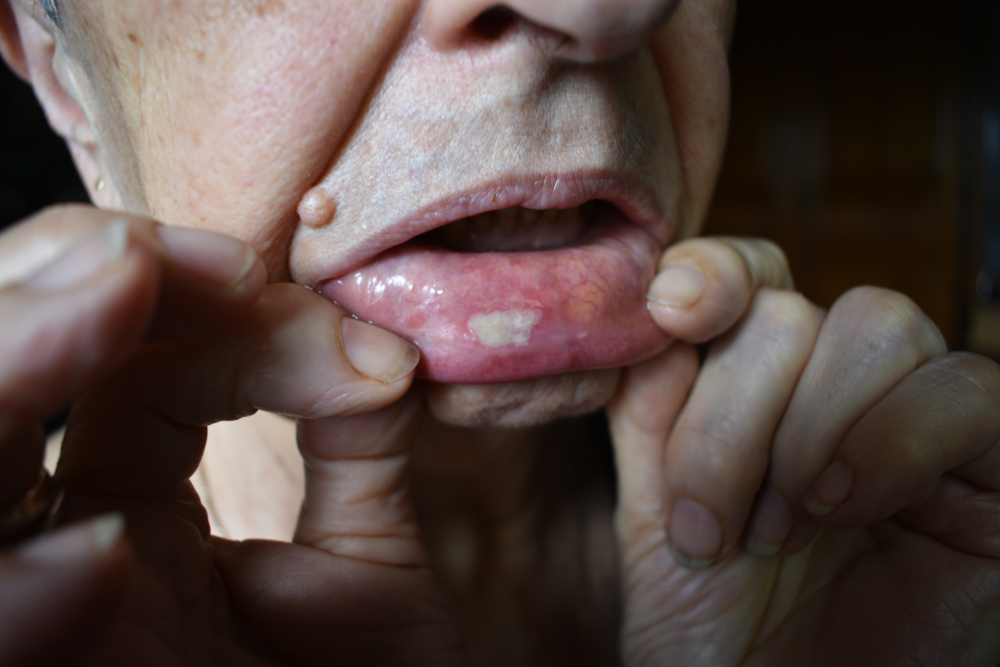
Mouth sores can be a real pain, quite literally! They come in various forms, with the most common being canker sores and cold sores. Understanding the differences can help you tackle them more effectively.
Canker Sores: These pesky little ulcers appear inside your mouth, often triggered by stress, hormonal changes, or certain foods. They’re like uninvited guests that stick around longer than you’d like!
Cold Sores: Caused by the herpes simplex virus, these blisters usually pop up on the lips or around the mouth. Think of them as that annoying pop star who keeps reappearing on your playlist when you just want some peace and quiet.
Angular Cheilitis: It refers to painful cracks or sores at the corners of the mouth. Many people experience it without knowing the name—it’s often linked to dryness, ill-fitting dentures, fungal infection, or nutritional deficiencies.
Nutritional Considerations for Prevention
Your diet plays a crucial role in preventing mouth sores. Here are some nutritional tips to keep those pesky sores at bay:
Stay Hydrated: Water is your best friend! Keeping hydrated helps maintain a healthy oral environment.
Avoid Trigger Foods: Spicy, acidic, or rough-textured foods can irritate your mouth and lead to sores. Think of them as the troublemakers at a party; it’s best to keep them away!
Nutrient-Rich Foods: Incorporate foods rich in vitamins B12, C, and iron. These nutrients support healing and overall oral health. Snack on leafy greens, nuts, and citrus fruits for a boost!
A study found that individuals who consume adequate amounts of vitamin B12 are less likely to experience recurrent canker sores.
For angular cheilitis:
Moisturize & Protect: Applying plain lip balm or natural oils like coconut oil can help keep the area hydrated.
Aloe Vera or Honey: Both have soothing and antimicrobial properties that may support healing.
Nutritional Support: Deficiencies in iron or B vitamins are sometimes contributors. Consider correcting these with diet or oral health supplements.
Behavioral Tips: Avoid frequent licking of the lips, which can worsen irritation.
If you’re already dealing with mouth sores, don’t fret! Here are some natural remedies that may provide relief:
Aloe Vera Gel: Applying aloe vera directly to the sore can soothe irritation thanks to its anti-inflammatory properties. It’s like giving your mouth a calming spa day!
Salt Water Rinse: Gargling with warm salt water can help reduce inflammation and promote healing. Just mix one teaspoon of salt in a glass of warm water-easy peasy!
Baking Soda Paste: Create a paste using baking soda and water; apply it directly to the sore for relief from pain and irritation.
Coconut Oil Swishing: Swishing coconut oil around in your mouth not only helps with moisture but also has antimicrobial properties that may aid healing.
Echinacea Tea: Drinking echinacea tea may boost your immune system while soothing inflammation-two birds with one soothing stone!
The journey toward natural oral health, particularly when it comes to mouth sores, is all about prevention and care. By implementing these strategies today, you’re not just alleviating discomfort but also investing in long-term oral wellness.
If mouth sores persist or become frequent, consider consulting with a holistic dentist who can provide tailored advice based on natural oral care principles. Your comfort is worth it!
Bad Breath: Causes and Natural Solutions
Understanding the Causes of Bad Breath (Halitosis)
Bad breath, or halitosis, is like that awkward moment when you realize your favorite food has left its mark on your breath. But what causes this less-than-pleasant phenomenon? Here are some common culprits:
Poor Oral Hygiene: Neglecting to brush and floss regularly allows food particles and bacteria to thrive, leading to unpleasant odors.
Diet Choices: Foods like garlic, onions, and certain spices can linger in your mouth long after you’ve eaten them.
Dry Mouth: Saliva plays a crucial role in washing away food particles; a lack of it can lead to bad breath.
Underlying Health Issues: Conditions such as gum disease, sinus infections, or even diabetes can contribute to persistent bad breath.
Natural Practices to Improve Breath Freshness
If you’re ready to kick bad breath to the curb, here are some natural oral health practices that can help freshen things up:
Stay Hydrated: Drinking plenty of water helps keep your mouth moist and washes away food particles. Think of it as giving your mouth a refreshing shower!
Herbal Mouth Rinse: Create a natural mouth rinse using essential oils like peppermint or tea tree oil. Just mix a few drops with water for a refreshing boost.
Coconut Oil Pulling: Swishing coconut oil around in your mouth for about 10-15 minutes can help remove bacteria and improve overall oral hygiene.
Nibbling on Fresh Herbs: Chewing on parsley or mint leaves not only freshens your breath but also provides a burst of flavor!
A study found that using essential oils in oral care can significantly reduce bacteria responsible for bad breath!
The Role of Diet in Oral Odor Control
Your diet plays a pivotal role in managing bad breath. Here are some dietary tips to consider:
Avoid Odorous Foods: Limit consumption of strong-smelling foods like garlic and onions if you’re concerned about breath freshness.
Add Crunchy Fruits and Veggies: Apples, carrots, and celery are not only healthy snacks but also act as natural toothbrushes that help scrub away debris.
Dairy Products: Incorporating yogurt into your diet can promote healthy bacteria in your mouth, combating bad breath-causing germs.
Sugar-Free Gum or Mints: Chewing sugar-free gum can stimulate saliva production, which naturally cleanses the mouth and freshens breath.
The key takeaway here is that maintaining natural oral care, particularly through mindful eating habits, can significantly impact how fresh your breath smells. By being conscious of what you consume and incorporating these natural solutions into your routine, you’ll be well on your way to enjoying fresher breath every day!
If bad breath persists despite these efforts, consider consulting with a holistic dentist who can help identify any underlying issues affecting your oral health. Your smile deserves the best!
The Role of Diet in Oral Health Maintenance
When it comes to maintaining natural oral health, your diet plays a starring role. Imagine your mouth as a garden; what you feed it determines whether it flourishes or wilts. A well-balanced diet rich in essential nutrients can keep your teeth and gums healthy, while a poor diet can lead to all sorts of dental dilemmas.
Nutrients Essential for Healthy Teeth and Gums
Just like superheroes need their powers, your teeth rely on certain nutrients to stay strong and healthy. Here are some key players:
Calcium: This mineral is the backbone of your teeth. Found in dairy products, leafy greens, and fortified plant-based milks, calcium helps maintain strong enamel.
Vitamin D: Think of vitamin D as the sidekick that helps calcium do its job! It enhances calcium absorption and can be found in fatty fish and fortified foods.
Phosphorus: Essential for tooth enamel repair, phosphorus works hand-in-hand with calcium. You can find it in nuts, seeds, and whole grains.
Vitamin C: This vitamin is crucial for gum health. It helps maintain connective tissue and fights inflammation. Load up on citrus fruits, strawberries, and bell peppers!
B Vitamins: These vitamins support overall oral health by promoting good blood flow to the gums. Get your fill from whole grains, legumes, and leafy greens.
Foods to Include for Optimal Oral Health
If you want to nourish your smile naturally, here’s a list of foods that deserve a spot on your plate:
Dairy Products: Yogurt and cheese not only provide calcium but also promote saliva production-which is nature’s way of keeping bacteria at bay!
Crispy Fruits and Vegetables: Apples, carrots, and celery act as natural toothbrushes while providing crunch-tastic fiber that scrubs away food particles.
Nuts and Seeds: These little powerhouses are rich in healthy fats and minerals that support tooth strength-plus they make great snacks!
Green Tea: Packed with antioxidants called catechins, green tea may help reduce inflammation in the gums while fighting bad breath.
Fatty Fish: Salmon and mackerel are loaded with omega-3 fatty acids that help combat gum disease by reducing inflammation.
A study published in the Journal of Clinical Dentistry found that diets rich in fruits and vegetables are associated with healthier gums!
The journey towards natural oral care, especially through dietary choices, is both rewarding and delicious! By incorporating these nutrient-rich foods into your meals, you’re not just feeding your body-you’re also nurturing your smile.
If you’re looking for ways to improve your diet for better oral health or need personalized advice on holistic dental solutions, consider scheduling a consultation with a holistic dentist who understands the connection between nutrition and dental wellness. Your smile-and body-will thank you!
The Importance of Regular Dental Check-ups alongside Natural Remedies
When it comes to maintaining natural oral health, think of regular dental check-ups as your trusty sidekick in the superhero world of teeth care. While natural oral care methods like herbal oral hygiene and chemical-free toothpaste are fantastic for daily maintenance, having a professional on your team is crucial for spotting issues that you might miss.
Balancing Natural Care with Professional Advice
The beauty of modern dentistry lies in its ability to blend traditional practices with innovative solutions. Here’s how you can strike that perfect balance:
Regular Visits: Schedule check-ups every six months to catch potential problems early. Think of it as a routine tune-up for your smile!
Communicate Openly: Discuss your use of natural remedies and preferences with your dentist. This helps them tailor their advice and treatment options to suit your needs.
Stay Informed: Keep up with the latest trends in holistic dental solutions. Knowledge is power, especially when it comes to choosing the right products for your oral care routine.
A study found that patients who combine regular dental visits with natural remedies tend to experience fewer dental issues overall!
How to Choose a Holistic Dentist
Selecting the right dentist is like picking the perfect avocado at the store-it requires a little finesse! Here are some tips to ensure you find a holistic dentist who aligns with your values:
Research Credentials: Look for dentists who have training in holistic practices or alternative therapies. They should be well-versed in both traditional and natural methods.
Seek Recommendations: Ask friends or family about their experiences with holistic dentists. Personal referrals can lead you to hidden gems!
Evaluate Their Approach: During consultations, inquire about their stance on natural plaque removal techniques, use of non-toxic products, and overall treatment philosophy.
Check Reviews: Online reviews can provide insights into patient satisfaction and their experiences with specific dentists.
A survey revealed that patients who prioritize holistic approaches often report higher satisfaction levels with their dental care!
When to Seek Professional Help for Dental Issues
Your mouth may be sending out distress signals, but how do you know when it’s time to call in the professionals? Here are some signs that warrant a visit to your holistic dentist:
Persistent Pain: If you’re experiencing toothaches or gum pain that doesn’t subside, it’s time for a professional evaluation.
Sensitivity Changes: Sudden changes in tooth sensitivity could indicate deeper issues requiring expert attention.
Mouth Sores or Irritation: If sores linger longer than usual or if you’re experiencing unexplained irritation, don’t hesitate to seek help.
Bleeding Gums: Regular bleeding during brushing or flossing can signal gum disease, which needs prompt care!
Your journey toward optimal natural oral health, while embracing both natural remedies and professional guidance, is essential for maintaining not just a radiant smile but also overall wellness. So keep those appointments, communicate openly with your dentist, and enjoy exploring the world of natural dental care!
When most people think of ethics in dentistry, they imagine a clear line between right and wrong—do the ideal treatment, follow the standard of care, and avoid cutting corners. But real-world dentistry isn’t always so simple. Patients are individuals with unique circumstances, and what might be considered “ideal” in one case may not be appropriate in another.For most of my career, I practiced general and cosmetic dentistry. Many of these ethical questions have always been present in the profession, but my more recent involvement in nursing homes and hospitals has brought them into sharper focus and given them new context.If ethics is defined as choices that support survival and well-being, then the optimal choice depends heavily on context. For dentists, this often means asking not just “What can I do?” but “What is right for this patient, here and now?”
The Complexity of Ethics in Dentistry
Dentistry is a field where science, skill, and compassion intersect. Our training emphasizes precision, best practices, and achieving the most durable result possible. But ethical dentistry isn’t always about doing everything that could be done.
Sometimes, the most ethical decision is to do less. Other times, it is to go further, even if the prognosis seems uncertain. In both situations, the heart of the matter is the same: aligning treatment with the patient’s values, goals, and quality of life.
Ethics in the Nursing Home Setting
One of the clearest examples is treatment in nursing homes. Many residents have multiple health conditions, limited mobility, and in some cases, a short life expectancy. For them, the “ideal” approach—comprehensive restorations, multiple appointments, or elective procedures—may not add value to their lives.
In these cases, focusing on comfort, infection control, and dignity often provides more benefit than pursuing textbook dentistry. The ethical question in ethics in dentistry is not, “What would be perfect treatment?” but rather, “What treatment will make this person’s life better right now?”
When Care Gives More Than Teeth Back
I once treated a patient in private practice who told me he wasn’t expected to live very long. Other dentists had declined to take him on, assuming it wasn’t worth the effort. He wanted to know what dental conditions he had and how they could be addressed.
I found areas of decay and other problems that could be treated. He chose to proceed. On a follow-up visit, he stopped to thank me. He explained that when he first walked into my office, he was filled with doom and gloom. But now, with those issues corrected, he felt better—not just physically, but emotionally.
The dentistry didn’t change his medical prognosis. What it did change was his outlook. The act of being cared for gave him dignity and optimism. In that sense, the treatment was profoundly ethical.
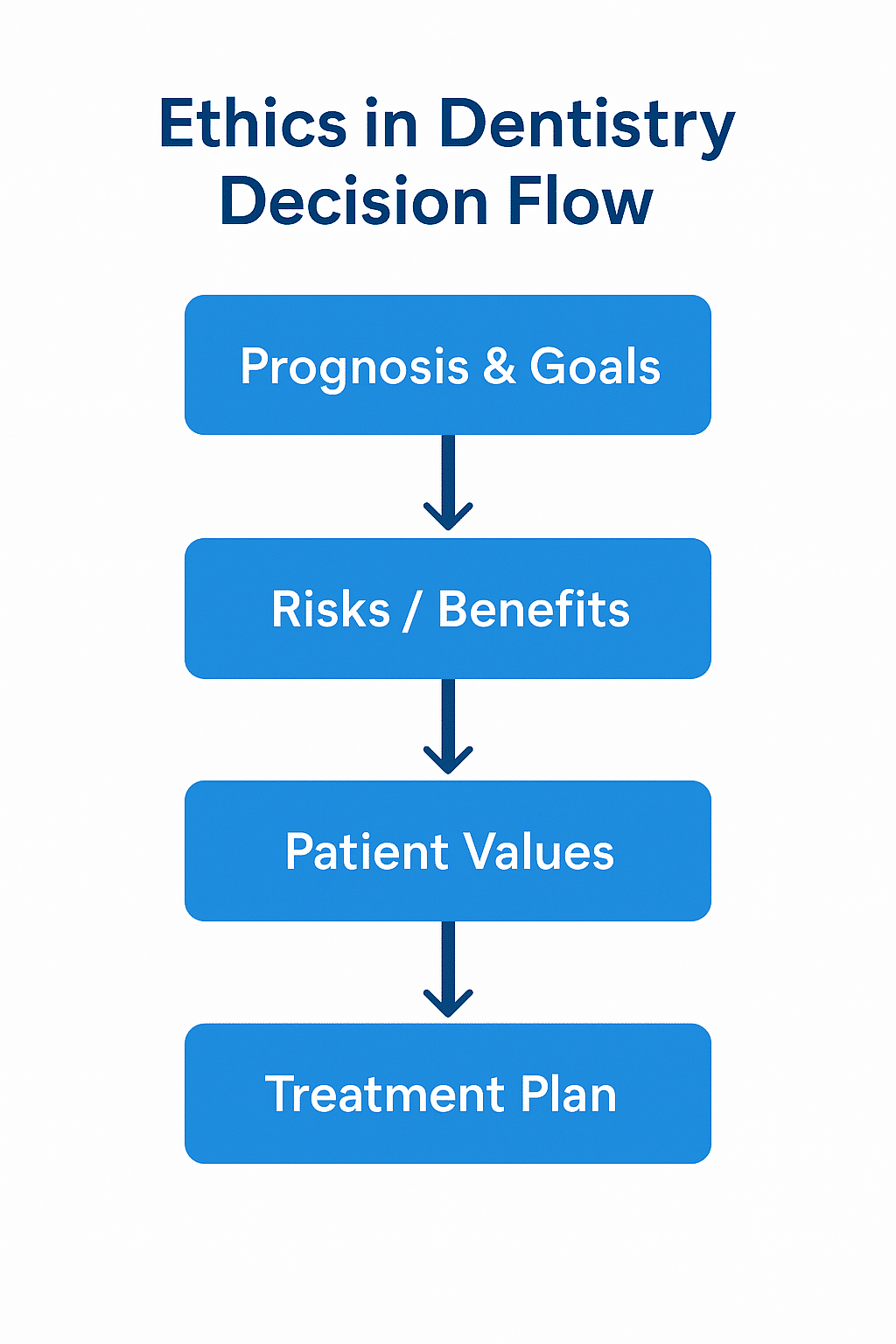
A simple framework for aligning treatment with prognosis, risks, and patient values.
The “Too Fragile” Patient Who Outlived Expectations
Another patient stands out in my memory. She had avoided treatment for years, insisting she had a weak heart and that dental work wasn’t worth the risk. Ten years later, she was still alive—having outlived her husband.
Her story is a reminder that prognoses are uncertain. While we must be mindful of risks, sometimes withholding treatment based on assumptions about longevity or fragility does patients a disservice. Ethical dentistry means weighing not just the clinical facts but also the possibility that a patient’s story may not unfold the way we expect.
Balancing Health, Ethics, and Economics
In modern healthcare, financial pressures are real—for both practices and patients. But ethics demands that we avoid letting economics drive decisions more than patient benefit. Dentistry that focuses solely on the bottom line risks neglecting the patient’s well-being, just as much as overtreatment risks exhausting their resources without real gain.
True ethical practice finds the balance: treatments that are practical, compassionate, and supportive of the patient’s life goals.
Guiding Principles for Ethical Dentistry
These principles reflect how ethics in dentistry can guide everyday decision-making:
Respect Patient Autonomy
Listen carefully to what patients value and want for themselves.
Avoid Overtreatment
Don’t recommend procedures that add burden without adding benefit.
Consider Quality of Life
Small improvements can make an enormous difference in comfort and confidence.
Stay Flexible
Ethics isn’t a rigid checklist—it adapts to circumstances.
Communicate Openly
Patients should be active participants in choosing the path forward.
Balanced decision-making is central to ethics in dentistry.
Conclusion
Dentistry is not just about fixing teeth—it is about caring for people. Ethics in dentistry means recognizing that what is “right” isn’t always the same for every patient. Sometimes less is more. Sometimes more is necessary.
By staying patient-centered, balancing compassion with practicality, and resisting the pull of a one-size-fits-all approach, we honor the deeper purpose of our profession: helping people live with dignity, comfort, and optimism—no matter their circumstances.
What Is a Coronectomy and Why Is It Sometimes Recommended?
Wisdom tooth removal is one of the most common oral surgeries, but not every case is simple. Sometimes, the position of the tooth makes full extraction riskier than usual. That’s when a dentist or oral surgeon may suggest a coronectomy—a nerve-sparing procedure designed to solve the problem while lowering the risk of complications.
Patients are often surprised to learn that a wisdom tooth does not always need to come out in one piece. A coronectomy offers an alternative approach that protects critical structures while still addressing the cause of pain or infection.
What Exactly Is a Coronectomy?
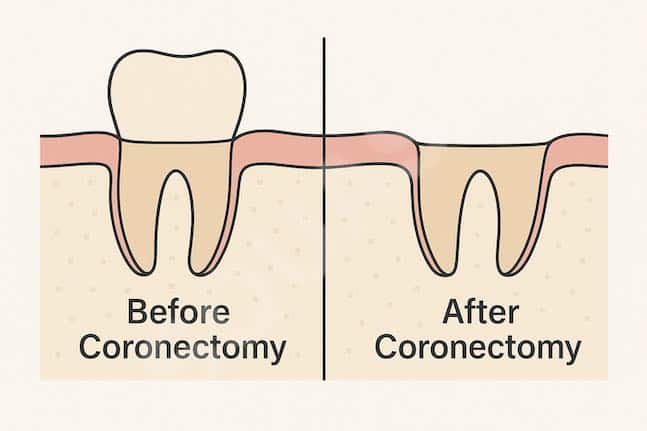
A coronectomy is a surgical procedure where the crown, or visible part of a wisdom tooth, is removed, while the roots are intentionally left behind. This option is most often chosen for lower wisdom teeth with roots lying very close to the inferior alveolar nerve, which supplies feeling to the lower lip and chin. By leaving the roots untouched, the surgeon reduces the chance of permanent numbness or tingling after surgery.
The main difference from a full extraction is that only the portion above the gum line is taken out. The roots remain sealed within the jawbone, provided they are healthy and free of infection at the time of surgery.
In a coronectomy, only the crown of the wisdom tooth is removed, leaving the roots in place to protect the nerve.
Why Might a Dentist Recommend a Coronectomy?
A coronectomy is not appropriate for every wisdom tooth. It is reserved for cases where removing the entire tooth could cause more harm than good. Your dentist may recommend this option if:
Nerve protection: Removing the roots could endanger the nerve that runs through the jawbone. Coronectomy greatly reduces that risk.
Jaw stability: In some situations, full extraction could weaken the jawbone and increase the chance of fracture.
Bone preservation: By leaving the roots behind, the surrounding bone remains more stable and better supported.
For comparison, see our article on basic dental care, which explains how preventative approaches can often minimize the need for surgery in the first place.
What to Expect After a Coronectomy
Recovery following a coronectomy is usually smooth and comparable to standard wisdom tooth extraction, but there are a few key differences patients should know:
Healing time: Most patients experience mild soreness and swelling for several days. Discomfort usually subsides within a week, and many return to school, work, or light activities in two to three days.
Pain management: Over-the-counter pain relievers are often enough. Your dentist may prescribe stronger medication if needed during the first 48 hours.
Eating and comfort: A soft-food diet is best for the first few days. Foods like yogurt, smoothies, and soups are gentle on the healing site.
Nerve safety: Because the roots are not disturbed, the risk of numbness in the lip, tongue, or chin is far lower than with full extraction.
Follow-up care: A review visit is often scheduled, sometimes with X-rays, to make sure the roots remain stable and no infection develops.
Long-term outcomes: In most cases, the roots remain dormant for life. In a small percentage of cases, they may migrate slightly or develop infection, which could require later removal.
Patients should also follow standard oral surgery instructions: keep the site clean, avoid smoking, and rinse gently with salt water as directed. Good aftercare significantly reduces the risk of complications. If dental treatment makes you anxious, you may also benefit from our article on coping with tooth extraction stress, which offers practical ways to stay calm during recovery.
Risks and Considerations
Like all surgical procedures, coronectomy carries some risks. It may not be suitable if the tooth is actively infected, if decay extends into the roots, or if the roots are already loose. Patients should also understand that further treatment may occasionally be required if the roots shift or begin to cause discomfort later on. Fortunately, research shows that in properly selected cases, coronectomy offers safer long-term outcomes than full extraction.
Final Thoughts
A coronectomy is a safe, nerve-sparing alternative for certain wisdom tooth situations. It allows dentists to resolve the problem while protecting the nerves and bone. If your dentist recommends this option, it means they are carefully weighing the risks of surgery and selecting the approach most likely to protect your long-term oral health.
Dr. Richard Walicki is a dentist practicing general and cosmetic dentistry. While we hope you find the information contained herein interesting and useful, this blog is for informational purposes and is not intended to diagnose any oral disease. Dental conditions should be evaluated by your dental health professional or a qualified specialist.
Search by Topic
Get Access To The AWESOME Health Course
In this 12 week program, you’re going to discover how to achieve AWESOME health and double your energy with natural, tested, and scientific strategies. Just click on the image below:


 If you’re intrigued by the idea of adopting your own version of this charming crooked teeth beauty trend, remember: it’s all about celebrating your individuality! Whether you’re considering yaeba braces or simply want to explore unique smile aesthetics, take inspiration from those who have already embraced this playful approach to dental fashion.