DIY Teeth Whitening Dangers You Need to Know

DIY Teeth Whitening Dangers You Need to Know

DIY teeth whitening dangers are real—no matter how “natural” a hack looks on social media. Lemon peels, strawberries, charcoal powders, baking soda, even apple cider vinegar can make teeth look brighter for a moment while quietly damaging the enamel that keeps your smile strong and healthy. As viral hacks spread, DIY teeth whitening dangers are showing up more often in real-world dental exams.

DIY Teeth Whitening Dangers: A Quick Overview

  • Acids etch enamel: Citrus, vinegar, and other acids “polish” by eroding enamel—damage that cannot be reversed.
  • Abrasives scratch enamel: Charcoal and baking soda remove stains and protective enamel, creating microscopic grooves that trap future stains.
  • Outcome: Permanent sensitivity, yellowing as dentin shows through, and higher odds of needing bonding, veneers, or crowns.

Why DIY Teeth Whitening Dangers Are on the Rise

Short videos make harsh methods look quick, cheap, and “natural.” But the chemistry and mechanics behind these hacks—acid erosion and abrasive wear—stack up over time, leading to lasting problems that no filter can hide.

Acidic Fruit “Whitening”: Lemons, Strawberries & Vinegar

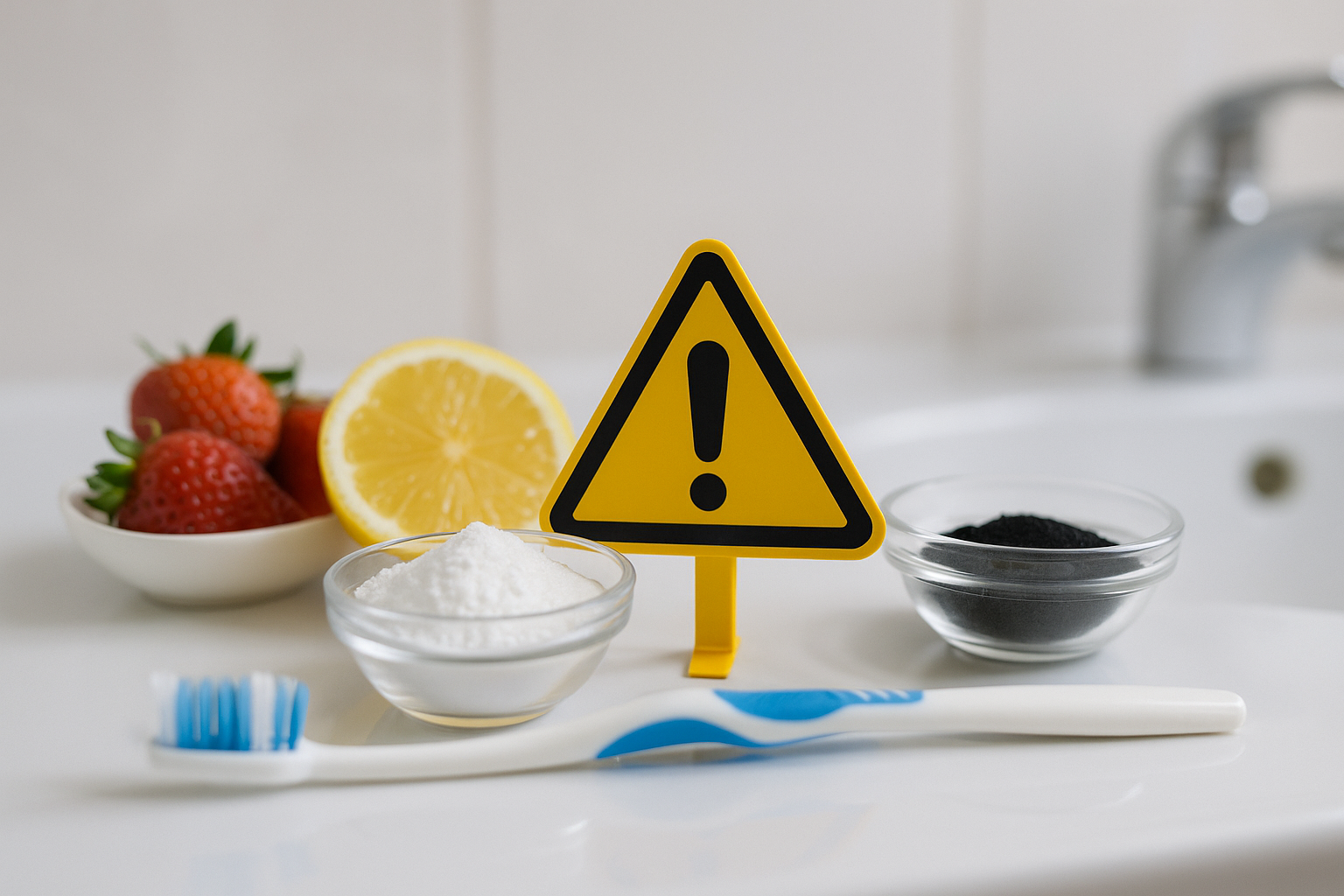
DIY teeth whitening dangers highlighted with lemon, strawberries, baking soda, and charcoal powders arranged as risky home whitening hacks.

Common kitchen hacks may look harmless, but they highlight the real DIY teeth whitening dangers —acid erosion and enamel loss.

How it seems to work: Acids temporarily etch the enamel surface so it reflects light differently and looks brighter.

What actually happens: Repeated acid contact dissolves minerals from enamel. As enamel thins, the naturally yellow dentin layer becomes more visible, color rebounds darker, and sensitivity increases. Acid softening also makes teeth more vulnerable to mechanical wear from brushing.

Charcoal Powders & Pastes

Promise: “Detoxes” and removes stains fast.

Reality: Most charcoal products are highly abrasive. They can scratch healthy enamel while removing surface stains. Those micro-scratches hold pigments from coffee, tea, wine, and foods—so teeth can stain faster over time. Many boutique pastes also skip protective ingredients found in well-regulated toothpastes; if you avoid those ingredients by choice, be even more consistent with diet and home care to keep enamel strong.

Baking Soda & Other Kitchen Abrasives

Appeal: Cheap, simple, “natural.”

Risk: Like charcoal, baking soda acts like very fine sandpaper. Used frequently, it thins enamel, leading to permanent sensitivity and color regression. Enamel doesn’t grow back; the usual fixes are cosmetic and costly.

Oil Pulling & Apple Cider Vinegar

Oil pulling: May freshen breath and lubricate tissues, but there’s no strong evidence it whitens teeth. It’s not a substitute for proven whitening chemistry or professional care.

Apple cider vinegar: Highly acidic. It erodes enamel like other acids; repeated swishing or brushing after use amplifies the damage.

The Long-Term Consequences

Among all DIY teeth whitening dangers, enamel erosion and abrasion are the primary culprits—and the effects add up.

  • Permanent sensitivity: Cold, heat, and sweets can trigger pain after enamel thins.
  • Yellowing, not whitening: As enamel wears, dentin shows through—teeth appear darker over time.
  • Higher cavity risk: Less enamel protection allows acids to work faster, especially with frequent snacking and low-saliva conditions.
  • Expensive repairs: Bonding, veneers, or crowns may be required to restore appearance and comfort.

Key takeaway: Viral hacks trade short-term brightness for long-term damage. Protect enamel first—because once it’s gone, it’s gone.

Safer Ways to Whiten (That Actually Work)

  • Professional whitening: In-office or custom-tray whitening uses measured peroxide concentrations under professional oversight for effective, controlled results.
  • Well-formulated whitening toothpastes: Choose products designed to balance gentle stain removal with enamel protection, and avoid harsh DIY abrasives.
  • Peroxide strips or gels (as directed): When used per instructions, they’re far less risky than acids or harsh abrasives and can noticeably brighten over days to weeks.

For a deeper dive into mouth chemistry and everyday habits that affect color and odor, see our post on morning breath science and fixes. If you enjoy myth-busting, explore more fun reads on our Weird Dental Facts hub.

Protecting Enamel Day-to-Day (Without Relying on Fluoride)

Avoiding DIY teeth whitening dangers starts with daily choices that favor enamel, not shortcuts.

  • Mind the timing: After acidic drinks/foods, wait 30–60 minutes before brushing to allow saliva to neutralize acids and begin natural remineralization.
  • Rinse, don’t scrub: Rinse with water after coffee, tea, wine, or citrus. Chew xylitol gum to stimulate saliva if appropriate.
  • Use soft tools: Soft-bristled brush and gentle pressure reduce mechanical wear; consider an electric brush with a pressure sensor.
  • Mineral support via diet: Prioritize nutrient-dense foods that supply calcium, phosphorus, fat-soluble vitamins (A, D, K2), and collagen-building nutrients—keys for resilient teeth.
  • Spacing meals: Reduce frequent snacking; give saliva time between meals to rebalance pH and support natural repair.
  • Moisture matters: Address mouth breathing and dry mouth; hydrate well and discuss nighttime nasal breathing strategies if needed.

When to Talk to Your Dentist

If you already notice sensitivity, translucent edges, or color rebound after trying DIY methods, pause the hacks and get a professional evaluation. Your dentist can identify erosion, suggest at-home remineralization strategies that fit your philosophy, and recommend whitening options tailored to your enamel condition and goals.

Bottom Line

The internet is full of quick fixes, but DIY teeth whitening dangers are costly: acids etch; abrasives scratch; enamel thins; sensitivity and yellowing follow. Protecting your smile means avoiding DIY teeth whitening dangers and choosing safer, evidence-based options instead.


Further reading: American Dental Association – Teeth WhiteningWeird Dental Facts (ToothWiz)

DIY Teeth Whitening FAQs

Are strawberries or lemon safe for whitening?

No. Their acidity etches enamel. Any short-term brightening is outweighed by long-term erosion and sensitivity.

Is charcoal toothpaste safe?

It’s often too abrasive. It can scratch enamel and create grooves that trap stains—one of the key DIY teeth whitening dangers.

Can I whiten at home without harsh abrasives?

Yes—choose well-formulated whitening pastes and peroxide strips used as directed, or talk to your dentist about custom trays.

Does oil pulling whiten teeth?

There’s no strong evidence it whitens. It may freshen breath, but it’s not a substitute for proven whitening methods.

What’s the safest way to maintain a bright smile?

Limit acids, use gentle tools, space meals, hydrate, and consider supervised whitening instead of viral hacks.

L. reuteri yogurt benefits: My Experiment, Results, and How to Get Started

L. reuteri yogurt benefits: My Experiment, Results, and How to Get Started

I’d read about l reuteri yogurt benefits for some time now, but it wasn’t until I made my own that I truly understood why so many people swear by it—for gut, immune, and even oral health.

I made Lactobacillus reuteri (L. reuteri) yogurt at home and tracked taste, texture, and real-world takeaways, plus the research-backed health perks. Below I share what worked (A2/A2 half & half, not overfilling bowls, mixing in the whey) and what to avoid, along with photo ideas if you’re documenting your own batch.

Why I Tried It (and What Makes L. reuteri Interesting)

L. reuteri is a human-associated probiotic that shows promise across multiple systems: gut balance, immune modulation, skin support, and a healthier oral microbiome. It’s less common in modern guts (diet, antibiotics, lifestyle), so targeted reintroduction can be useful. If you’re new to probiotics, this NCCIH primer on probiotics is a solid, evidence-focused overview.

My Setup (Simple, Reliable, Repeatable)

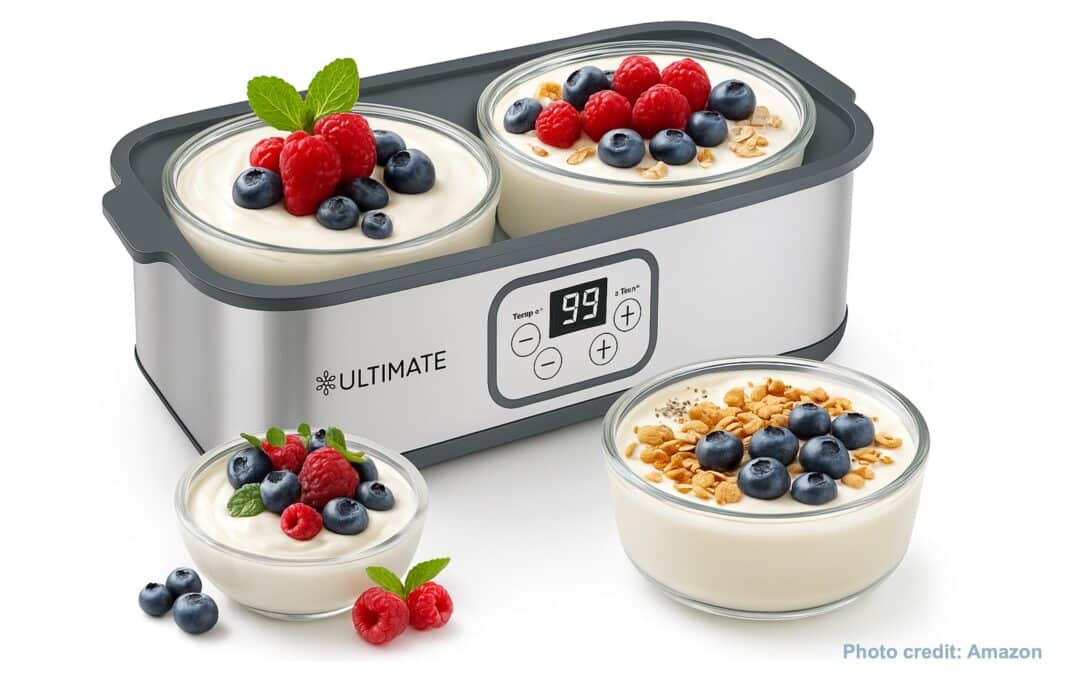
L reuteri yogurt benefits shown with Ultimate Yogurt Maker and Lactobacillus reuteri jar during fermentation

My Ultimate Yogurt Maker in action, with the Lactobacillus reuteri jar nearby — 15 hours left in the fermentation cycle.

I used the Ultimate Yogurt Maker for its precise time/temperature control and easy multi-jar format. It’s inexpensive relative to the potential value, and customer service has been excellent (they even sent an extra set of jars). You can find it on my Health Essentials page or via my affiliate link here: Ultimate Yogurt Maker. Disclosure: I may earn a small commission if you purchase through that link, at no extra cost to you.

Ingredients That Mattered (Fresh A2/A2 Won the Day)

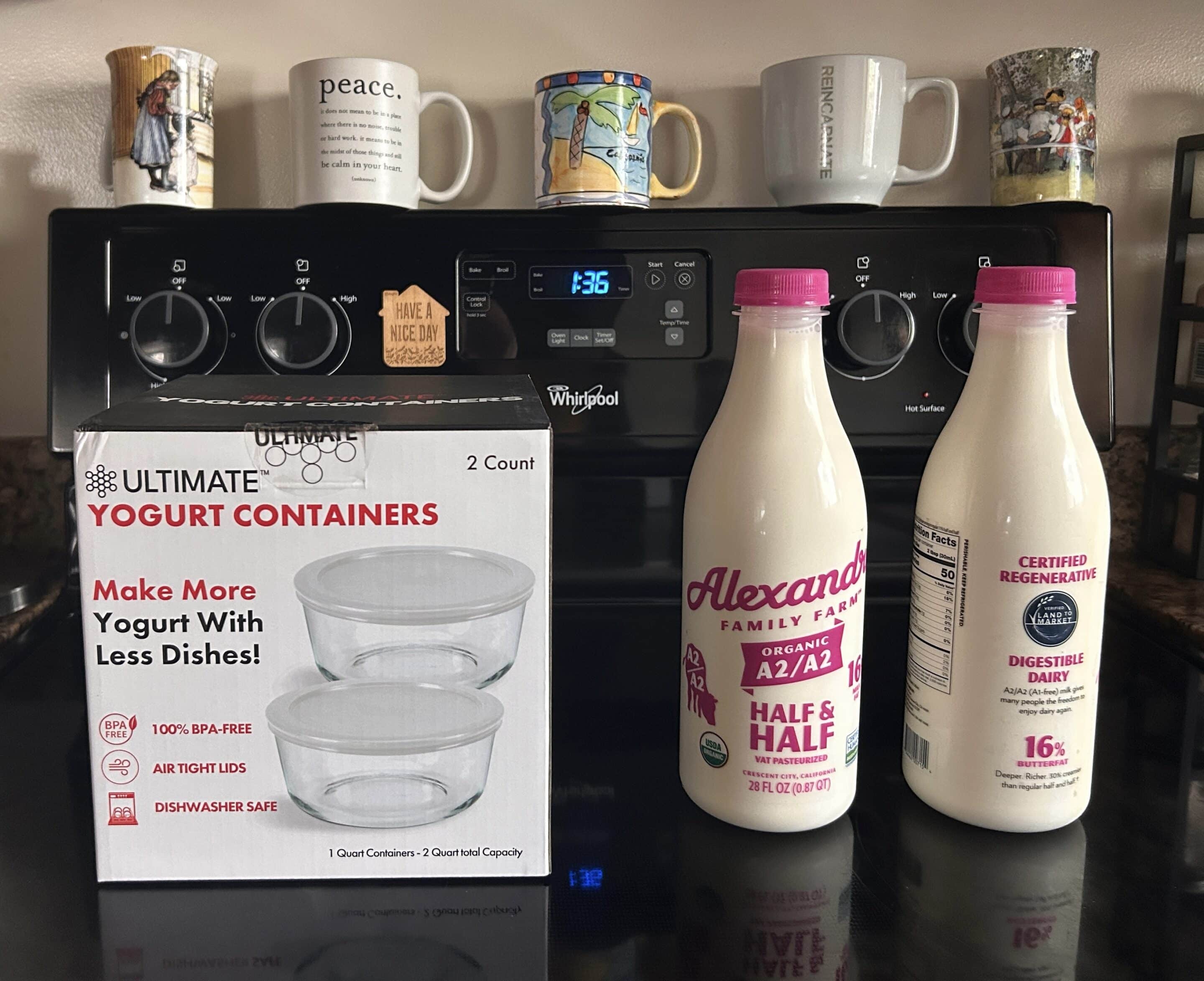
L reuteri yogurt benefits with A2/A2 half and half and Ultimate Yogurt Maker glass containers

Fresh A2/A2 half & half and extra Ultimate Yogurt Maker containers — both key to my experiment and the l reuteri yogurt benefits I experienced.

Two practical lessons stood out right away:

  • Freshness mattered: Using fresh dairy improved texture and flavor.
  • A2/A2 half & half worked best in my kitchen—creamier feel and consistent set compared with alternatives I’ve tried.

I used Alexandre Family Farm Organic A2/A2 half & half and found the texture more predictable. Your mileage may vary, but if your first batch is fussy, try fresher dairy and A2/A2 proteins. Choosing the right dairy can amplify l reuteri yogurt benefits, giving you both better texture and a richer probiotic profile.

Process Notes That Improved Results

  • Don’t overfill the bowls. Headspace helps minimize spillover and can reduce uneven texture.
  • Temperature stability: Keep fermentation temperature steady; avoid heat spikes that can lead to grainy curds.
  • Mix in the whey: I chose to stir the whey back in for nutrient density and additional live cultures; it’s a simple way to add more protein and minerals.
  • Texture flexibility: One batch set creamy, another was more granular (cottage cheese–like). Both tasted good and I noticed no adverse effects. If you prefer creamier, focus on fresh A2/A2, stable temps, and proper headspace.

l reuteri yogurt benefits (What the Research Suggests)

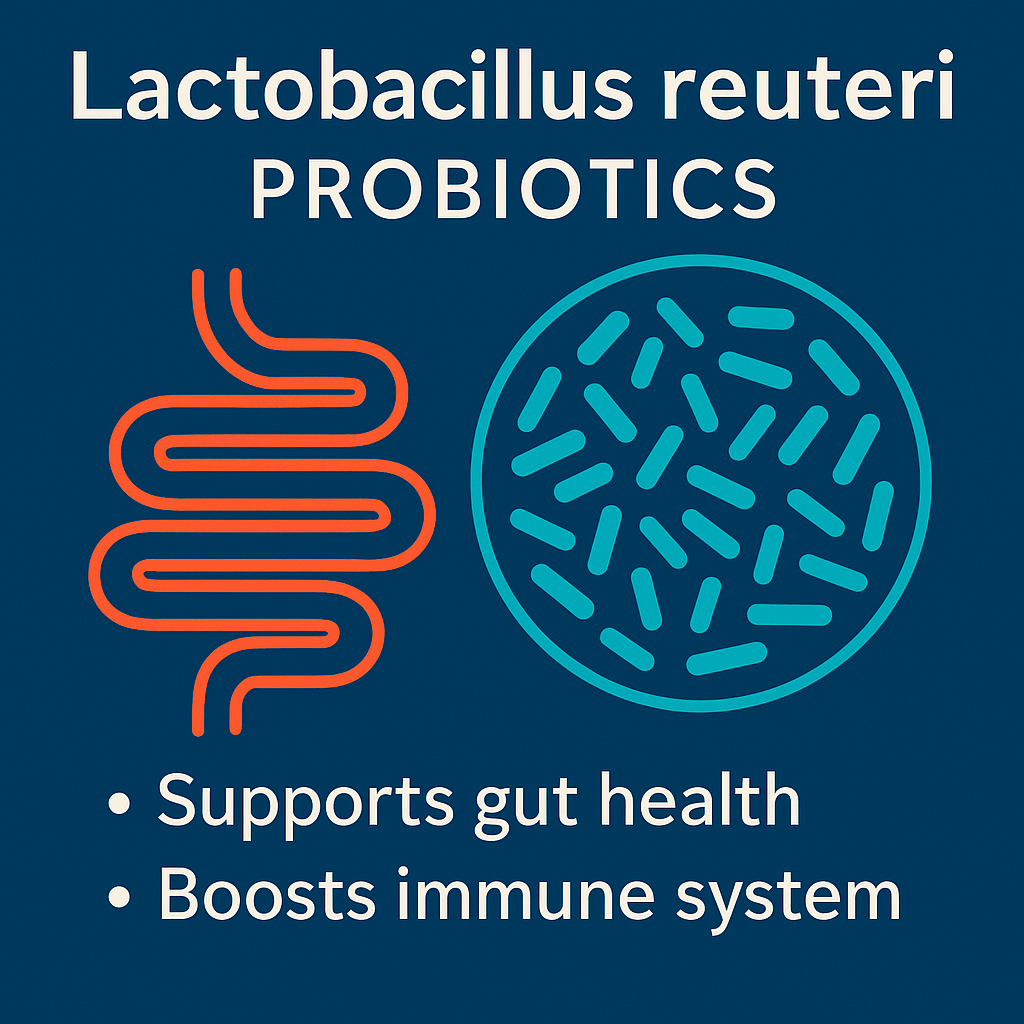
L reuteri yogurt benefits from Lactobacillus reuteri probiotics for gut and immune health

Lactobacillus reuteri probiotics can help support gut health and boost immune function, adding to the overall l reuteri yogurt benefits.

Here’s a practical breakdown of potential advantages based on current literature (and why this experiment was worth doing):

1) Gut Health & Digestive Comfort

Regular intake can help rebalance the microbiome, support digestion, and crowd out unfriendly species. That’s a core reason I experimented at home.

2) Oral Health Support

As a dentist, I’m especially interested here. A more resilient oral microbiome is linked to fresher breath and healthier gums. L. reuteri has been studied for moderating populations of undesirable oral bacteria and supporting gingival health—useful alongside daily hygiene. For a deeper dive on breath science, see my post The Science Behind Morning Breath.

3) Immune Modulation

Probiotic exposure can “train” immune responses. While outcomes vary, better balance (rather than overactivation) is the goal with daily fermented foods.

4) Skin & Barrier Benefits

Some studies suggest improvements in skin hydration and reduced blemishes—likely tied to systemic shifts in inflammation and microbial signaling.

5) Mood & Social Hormones

There’s emerging interest in how L. reuteri may influence oxytocin and stress pathways. The gut–brain axis is complex, but it’s a fascinating frontier.

If you want to browse the primary literature, start with a quick search on PubMed for “Lactobacillus reuteri”.

Cost, Convenience, and Why I’ll Keep Making It

Buying capsules with this strain can add up fast; making your own delivers a potent daily serving at a fraction of the cost. Considering the low cost and significant l reuteri yogurt benefits, making it at home is an easy win for health and budget.  Ultimate Yogurt Maker keeps the workflow simple (set it, forget it), and the multi-jar approach fits real life.For readers who ask me “Is it worth it?”—yes. The practical benefits plus the culinary payoff make it easy to recommend. When you factor in how affordable and simple it is to make, along with the impressive l reuteri yogurt benefits, it becomes an easy choice for anyone looking to support gut, immune, and oral health.

Make It Your Own (Flexible, Repeatable, Tasty)

If you’d like to try making it yourself, here’s my exact method — simple, step-by-step:

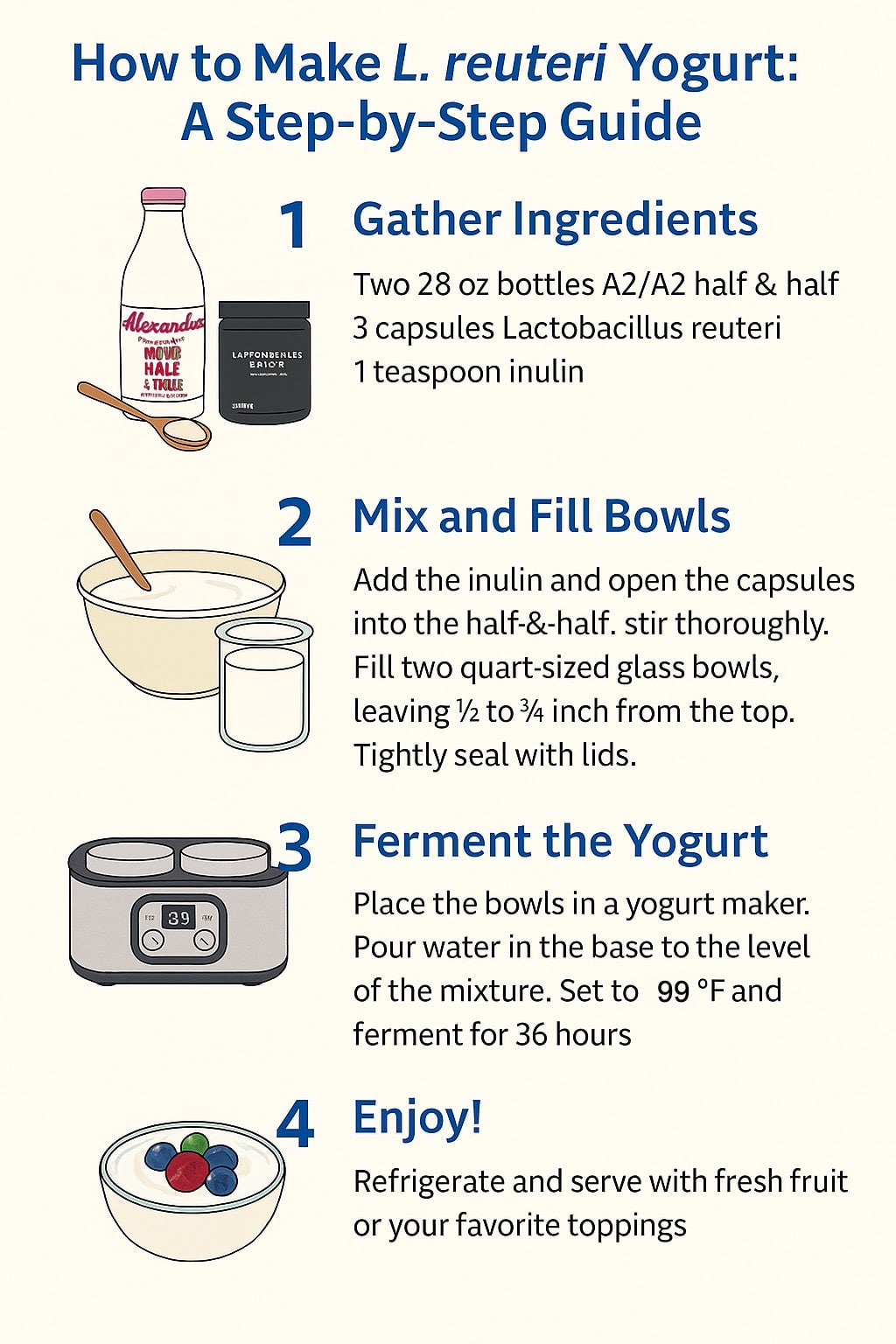
Step-by-step guide to making L. reuteri yogurt using A2/A2 half & half, probiotics, and inulin. Includes preparation tips: leave ½–¾ inch from bowl top, mix well, tighten lids, ferment at 99°F for 36 hours, then refrigerate and optionally add fruit or monkfruit for flavor.


In case you want to print out the process for easy reference, this is the one that worked for me:

Step 1 – Gather Ingredients

  • Two 28-oz bottles fresh A2/A2 half & half (~56 oz total; you may use slightly less to allow for headspace in the bowls)

  • 3 capsules Lactobacillus reuteri (Toniiq 50 Billion CFU)

  • 1 teaspoon prebiotic inulin powder

Step 2 – Prepare the Starter
Open 3 capsules into a small bowl. Add the inulin and just enough half & half to make a smooth paste.

Step 3 – Combine and Portion
Mix the starter paste into the remaining half & half until well combined. Portion into clean quart-sized glass bowls or jars, leaving ½–¾ inch from the top.
Important: Tighten lids securely — loose lids can cause curdling in L. reuteri yogurt.

Step 4 – Set Up the Yogurt Maker
Place the filled bowls into the yogurt maker. Add water to the unit until it reaches the same level as the yogurt mixture inside the bowls. This ensures even heat distribution.

Step 5 – Ferment
Set temperature to 99°F (37°C) and ferment for 36 hours.
(Optional: Use 100°F/38°C for a tangier, slightly thicker yogurt.)
✅ Keep lids tight throughout fermentation for the smoothest results.

Step 6 – Chill
Move the bowls to the refrigerator for at least 4–6 hours to set and develop flavor.

Step 7 – Enjoy
Serve plain or add fresh fruit and a few drops of monkfruit sweetener.

💡 Pro Tip: Save 2–3 tablespoons from your batch to use as the starter for your next one — you’ll only need fresh capsules every few batches.

Remember, it’s important to start with fresh A2/A2 half & half, leave headspace in jars, and don’t stress if a batch sets a little grainy—stir in the whey and enjoy. If you’d like curated, practitioner-grade nutrition options that complement gut and oral wellness, browse my ToothWizVitamins page.


Where to get the gear: ToothWiz Health Essentials or direct affiliate link Ultimate Yogurt Maker. It’s an inexpensive way to explore the l reuteri yogurt benefits most people are curious about.

Diet and Oral Health: 1 Powerful Factor Behind a Healthier Smile

Diet and Oral Health: 1 Powerful Factor Behind a Healthier Smile

Oral health is often viewed as a separate entity from overall health, yet it is deeply intertwined with the dietary choices we make every day. While brushing and flossing serve as the cornerstones of dental hygiene, the food we consume plays a pivotal role in the maintenance of healthy teeth and gums. This article delves into the multifaceted relationship between diet and oral health, examining how dietary choices can either contribute to or detract from our dental wellbeing.

The connection between diet and oral health is crucial for maintaining a bright smile and strong teeth.

The Importance of Preventive Home Care

Brushing and Flossing: The Fundamentals

Preventive home care, primarily through brushing and flossing, is essential for maintaining oral hygiene. Brushing twice a day with toothpaste helps to remove plaque, a sticky film of bacteria that forms on the teeth. Flossing daily removes food particles and plaque from between the teeth and below the gumline, where a toothbrush may not reach. This daily regimen can prevent cavities, gum disease, and other dental issues. However, while these practices are vital, they are not foolproof. Many people still experience dental problems despite diligent brushing and flossing.

One reason for this discrepancy is that the effectiveness of brushing and flossing can be diminished by dietary habits. Consuming sugary or acidic foods frequently can overwhelm the protective measures of regular dental care. Therefore, understanding the limitations of traditional preventive measures is essential for achieving optimal oral health.

Limitations of Traditional Preventive Measures

Despite their importance, brushing and flossing alone cannot ensure complete oral health. For instance, individuals might develop cavities despite maintaining a strict dental hygiene routine. This reveals the significant role that diet plays in oral health. A diet high in foods high in sugar and carbohydrates can feed harmful bacteria in the mouth, leading to acid erosion that can lead to cavities. Furthermore, certain dietary patterns may lead to deficiencies in nutrients essential for strong teeth and gums, such as calcium and vitamin D.

Diet: A Crucial Factor in Oral Health

How Diet Influences Tooth Decay

The relationship between diet and tooth decay is well-established. Foods high in sugar, particularly processed sugars found in candies, soft drinks, and baked goods, significantly increase the risk of cavities. When sugar is consumed, bacteria in the mouth metabolize it, producing acids that attack tooth enamel. Over time, this acid erosion can lead to cavities, which, if left untreated, can result in severe pain, abscesses, and even tooth loss.

This highlights how critical diet and oral health are for your routine.

Additionally, acidic foods and beverages, such as citrus fruits, soda, and vinegar, can directly erode enamel. For instance, the consumption of soda not only introduces sugar but also exposes teeth to high levels of phosphoric and citric acid. It is essential to be mindful of the frequency of consumption as well as the types of foods, as repeated exposure can compound the risk of decay.

Comparing Diet and Preventive Practices

While brushing and flossing are critical, their effectiveness can be overshadowed by poor dietary choices. Studies have shown that individuals who consume a diet rich in whole foods, such as fruits, vegetables, nuts, and dairy products, have lower incidences of cavities compared to those with a high intake of processed sugars. For instance, crunchy fruits and vegetables can help clean teeth and gums naturally, while dairy products provide calcium and phosphates that are essential for remineralizing teeth.

Moreover, it’s important to note that a balanced diet supports not only oral health but also overall wellbeing. Adequate nutrition enhances the immune system, which plays a role in combating infections, including those that affect the gums. Therefore, adopting a well-rounded diet can significantly impact oral health outcomes.

Incorporating diet and oral health awareness into your daily life is essential.

Case Studies: The Impact of Lifestyle Choices

Patients with Minimal Oral Care

These examples illustrate the direct link between diet and oral health.

Examining case studies of patients with minimal oral care offers insight into the long-term consequences of neglecting both dental hygiene and dietary choices. One such patient, who consumed a high-sugar diet and rarely brushed his teeth, developed extensive tooth decay and periodontal disease. Despite occasional visits to the dentist for cleanings, the underlying issues remained unaddressed due to poor hygiene and dietary habits.

In this case, the interplay between diet and oral health becomes evident. The lack of preventive measures compounded by high sugar intake created an environment conducive to the development of dental problems. This highlights the necessity of integrating dietary awareness with oral care practices to achieve better health outcomes.

Close up. Bearded smiling man squeezes toothpaste onto toothbrush. Hygiene concept. Morning procedures. Patients with Rigorous Oral Hygiene

On the other hand, consider patients who maintain rigorous oral hygiene but consume a diet high in sugar. Even with consistent brushing and flossing, these individuals can face significant dental challenges. For example, a patient who diligently brushes twice a day but indulges in sugary snacks frequently may still experience recurring cavities. This reinforces the idea that while good hygiene is essential, it is not sufficient in isolation.

Such patients often learn the hard way that oral health requires a comprehensive approach. By adjusting their diets while maintaining their hygiene practices, they can see significant improvements in their oral health. This case underscores the importance of dietary choices alongside the commitment to preventive care.

It’s evident that diet and oral health preventive measures must be balanced for success.

Exploring Other Influential Factors

The Role of Genetics in Oral Health

Genetics may play a role, but a healthy diet and oral health is still crucial.

While diet and hygiene are pivotal, genetics also significantly influence oral health outcomes. Some individuals may possess genetic traits that predispose them to dental issues, such as weaker enamel or a higher susceptibility to gum disease. This genetic predisposition can make it challenging to maintain oral health, regardless of dietary choices or hygiene practices.

Understanding one’s genetic background can guide individuals in tailoring their oral health strategies. For instance, someone with a family history of dental issues may need to be more proactive with regular dental visits and possibly consider more stringent dietary restrictions to mitigate the risks associated with their genetic predisposition.

Medications and Their Effects on Teeth

Considering your diet and oral health is essential when evaluating medication effects.

Certain medications can also have a profound impact on oral health. Some drugs cause dry mouth, reducing saliva production, which is essential for neutralizing acids and washing away food particles. A dry mouth can lead to an increased risk of cavities and other dental issues. Medications for conditions such as hypertension, depression, or allergies often list dry mouth as a side effect, necessitating additional preventive measures and dietary adjustments.

Individuals taking medications that affect oral health should consult with their healthcare providers or dentists. They may benefit from specific recommendations on maintaining oral hygiene and dietary practices that counteract the negative effects of their medications, such as drinking more water or using saliva substitutes.

Reframing “Luck” in Dental Outcomesfour leaf clover representing luck in diet and oral health

It may sometimes seem like luck plays a large role in oral health—some people enjoy strong teeth despite poor habits, while others struggle even with good hygiene. However, what may appear as luck is often the result of unrecognized factors, such as diet, underlying health conditions, or earlier life habits. More importantly, we make our own luck by consistently making good choices. Prioritizing a nutrient-rich diet, maintaining proper hygiene, staying hydrated, and seeking regular dental care all contribute to creating the best possible conditions for oral health success. In this way, what might seem like “luck” is often the outcome of intentional, health-conscious living.

In the end, it’s about how diet and oral health are managed together.

How to Reverse Tooth Decay

Dietary Changes for Better Oral Health

Making conscious dietary changes is one of the most effective strategies for reversing early tooth decay and preventing future issues. Some beneficial changes include reducing sugar intake, avoiding acidic foods and drinks, and incorporating more tooth-friendly foods into the diet. Foods rich in calcium, such as dairy products, leafy greens, and fortified plant-based alternatives, help reinforce tooth structure. Additionally, crunchy fruits and vegetables can promote saliva flow, which is vital for neutralizing acids and washing away food particles.

Making dietary adjustments can greatly benefit oral health.

Another effective strategy is to consume foods high in antioxidants, such as berries and nuts, which can help combat inflammation in the gums and support overall oral health. Furthermore, staying hydrated is crucial; water not only aids in digestion but also helps maintain saliva production, an essential component in protecting teeth.

Integrating Preventive Care and Nutrition

Integrating dietary changes with preventive care can create a holistic approach to oral health. For example, one can adopt a routine that includes brushing and flossing after meals, especially after consuming foods high in sugar or acid. This practice can mitigate the harmful effects of diet while reinforcing good hygiene habits.

Regular dental check-ups are also critical in this approach. Dental professionals can provide personalized advice based on an individual’s dietary habits and oral health status, helping to create a tailored plan that supports long-term health. This synergy between diet and preventive care can significantly enhance oral health outcomes.

A Holistic Approach to Oral Health

Balancing Diet and Preventive Measures

A balanced approach that harmonizes dietary choices with preventive measures is essential for achieving optimal oral health. While brushing and flossing are fundamental, they must be complemented by a diet that supports dental wellbeing. By prioritizing whole, nutrient-dense foods, individuals can significantly reduce their risk of tooth decay and other oral health issues.

Moreover, awareness of the various factors influencing oral health, including genetics and medications, allows for a more comprehensive understanding of personal dental care needs. By communicating with healthcare and dental professionals, individuals can develop tailored strategies that encompass all aspects of oral health—from hygiene to a holistic approach to oral health.

Encouraging Healthy Habits for Long-Term Successdeveloping good habits for diet and oral health

Incorporating healthy habits into daily routines creates a foundation for long-term oral health success. By making informed dietary choices, maintaining rigorous hygiene practices, and staying abreast of dental health developments, individuals can cultivate an environment that fosters healthy teeth and gums. Embracing a holistic view of oral health—one that includes diet, hygiene, genetics, and lifestyle choices—empowers individuals to take charge of their dental wellbeing.

Healthy habits that focus on diet and oral health are fundamental.

For more fun facts, check out our bizarre dental trivia section.

FAQs

1. How often should I brush and floss my teeth?

It is recommended that you brush your teeth at least twice a day and floss daily. This routine helps remove plaque and food particles that can lead to decay and gum disease.

2. What foods should I avoid for better oral health?

Avoid sugary snacks, acidic foods, and beverages such as soda, which can contribute to tooth decay and enamel erosion. Instead, focus on a diet rich in fruits, vegetables, whole grains, and dairy products.

3. Can I reverse tooth decay with diet alone?

While dietary changes can help remineralize teeth and prevent further decay, it is essential to combine them with regular dental check-ups and good oral hygiene practices for the best results.

4. How does genetics affect my oral health?

Genetics can predispose individuals to certain dental issues, such as weaker enamel or a higher susceptibility to gum disease. Understanding your family history can guide preventive measures.

5. What should I do if I experience dry mouth from medication?

If you experience dry mouth, increase your water intake and consider using saliva substitutes. Consult with your dentist for tailored advice to mitigate its effects on your oral health.

Achieving optimal oral health requires a comprehensive strategy that integrates good dietary choices with preventive measures. By understanding the multifaceted nature of oral health, individuals can make informed decisions that lead to healthier, brighter smiles.
The Basics of Epigenetics: What You Need to Know

The Basics of Epigenetics: What You Need to Know

Have you ever wondered how your environment impacts your genes? Or why some people can seemingly eat whatever they want and never gain a pound, while others struggle despite their best efforts? Welcome to the fascinating world of epigenetics! This emerging field of science offers astonishing insights into how our lifestyle choices, behaviors, and exposures can influence our genetic makeup without altering the DNA sequence itself. In fact, research indicates that approximately 70% of human genes are subject to epigenetic regulation—meaning our daily habits could be steering the ship of our health journey!

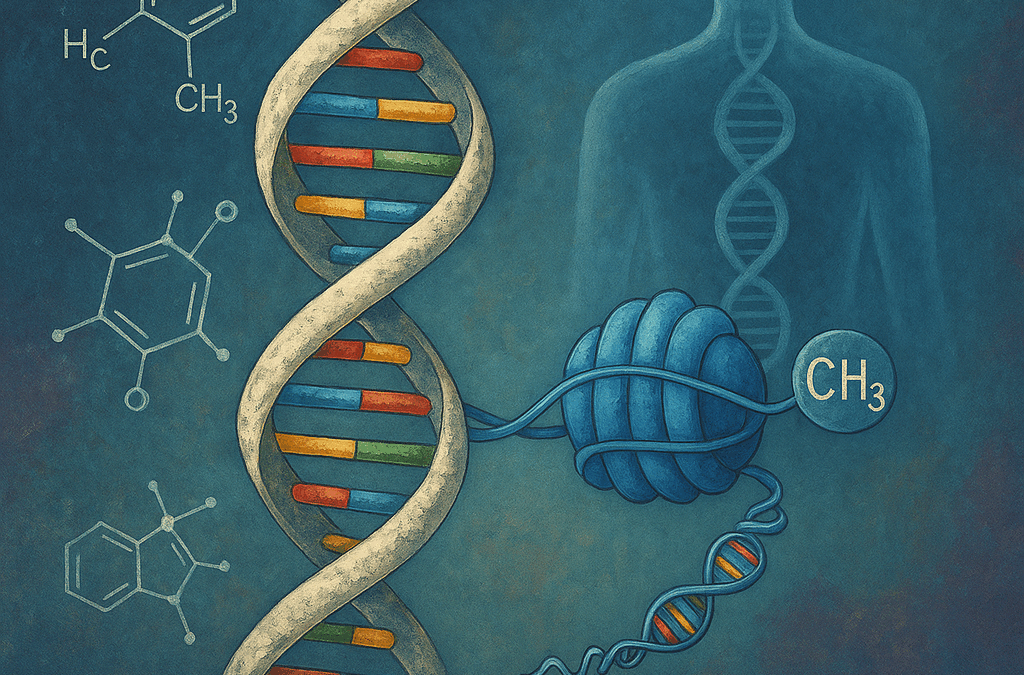
At its core, epigenetics encompasses modifications such as DNA methylation, histone modification, and even chromatin remodeling, all of which play a significant role in regulating gene expression. These mechanisms act like switches that turn genes on or off based on environmental factors ranging from diet to stress levels. It’s like having a personalized instruction manual for each gene in your body that can change with your life experiences.

What’s even more captivating is the notion of transgenerational inheritance, where epigenetic changes can be passed down from one generation to the next. Imagine the implications this has for understanding health issues within families! Research shows that environmental exposures during critical periods of development can lead to long-lasting changes—not just for you but also for future generations. This means that Grandma’s love for pickles (or lack thereof) might have influenced your taste buds in ways you never even considered!

As we dive deeper into the complexities of epigenetics throughout this blog post, prepare to uncover how your daily choices—what you eat, how much stress you handle, and even how active you are—can leave indelible marks on your genetic landscape. So grab a cozy seat and let’s embark on this enlightening journey together; your genes will thank you!

Understanding Epigenetics

To truly grasp the essence of epigenetics, think of your DNA as a beautifully orchestrated symphony. Each gene is a note that contributes to the overall harmony of your health and well-being. But what if I told you that this symphony can be fine-tuned by external factors? That’s where epigenetics steps in, allowing us to adjust the volume and tempo of our genetic expression without changing the underlying score!

At its heart, epigenetics involves intricate processes like DNA methylation and histone modification. Imagine DNA methylation as adding a tiny bookmark to your genetic book—when methyl groups attach to DNA, they effectively silence certain genes, preventing them from being read. On the other hand, histone modification works like accessorizing: it alters how tightly or loosely DNA is wrapped around proteins called histones. This affects how accessible certain genes are for transcription—the process where DNA is converted into RNA, which ultimately leads to protein production.

The Power of Environmental Influences

Your environment plays a pivotal role in shaping these epigenetic changes. Factors such as diet, stress levels, exposure to toxins, and even social interactions can significantly impact gene expression. For instance, studies have shown that specific nutrients can activate or deactivate genes linked to various diseases. It’s almost like a dance where each external influence leads the tune for our genetic makeup!

  • Stress: Chronic stress triggers epigenetic changes that may increase susceptibility to mental health disorders.
  • Nutrition: A balanced diet rich in antioxidants can promote healthy chromatin remodeling, ensuring your genes are functioning optimally.
  • Toxins: Exposure to pollutants can cause harmful epigenetic changes, leading to long-lasting effects on health.

The Fascinating Realm of Gene Expression

Diving deeper into gene expression reveals another layer of this complex interaction. Each cell in your body carries the same set of genes, yet they perform vastly different functions—this diversity arises from epigenetic regulation! For example, brain cells do not express the same genes as liver cells; rather, they selectively activate genes that are pertinent to their specialized tasks. This selective gene expression fuels the intricacies of cell differentiation, allowing our bodies to develop from a single fertilized egg into a collection of diverse cells.

The implications of understanding epigenetics extend far beyond curiosity; they hold potential for revolutionary advancements in personalized medicine. By recognizing how individual lifestyle choices influence our unique set of chemical modifications associated with our genomes, we open doors to targeted therapies tailored just for you! Imagine being able to reverse harmful epigenetic changes caused by years of unhealthy habits—now that’s a future worth smiling about!

“Epigenetic mechanisms are essential for normal development and health, and they can be influenced by environmental factors including diet, stress, and toxins.” Source: — National Institute of Environmental Health Sciences (NIEHS)

The journey through the world of epigenetics is not just an academic exercise—it’s an invitation to take charge of your health and wellness! By learning how our choices mold our genetic landscape over time, we empower ourselves with knowledge and tools for better living practices.

Key Mechanisms: DNA Methylation and Histone Modification

At the heart of epigenetics lie two key mechanisms: DNA methylation and histone modification. These processes are akin to the intricate control panels of a spaceship, guiding how genes express themselves without touching the actual DNA blueprint. Let’s take a closer look at how these mechanisms operate and their significance in our health journey.

DNA Methylation: The Silent Guardian

Think of DNA methylation as a silent guardian standing watch over your genetic landscape. When methyl groups—a small chemical tag—attach to certain regions of your DNA, they effectively act like a dimmer switch, turning down the volume on gene expression. This means that while the gene remains intact, its ability to produce proteins is significantly restricted.

  • Health Implications: Altered DNA methylation patterns have been linked to various diseases, including cancer and cardiovascular conditions. For instance, researchers have found that hypermethylation can silence tumor suppressor genes, allowing cancer cells to thrive.
  • Aging: As we age, changes in DNA methylation can contribute to cellular decline and diseases associated with aging. Interestingly, interventions such as dietary changes or stress management may help restore these patterns!

Histone Modification: Accessorizing Your Genes

If DNA is the book of life, then histones are its spines! Histones are proteins around which DNA coils; modifications to these proteins can either tighten or loosen this coil. Imagine dressing up your genes—adding or removing accessories can create entirely different looks!

  • Tightening Up: When histones undergo modifications such as acetylation, they loosen their grip on the DNA, making it more accessible for transcription—this is akin to unfurling tightly rolled-up notes so they can be read aloud!
  • Tightening Down: Conversely, histone deacetylation leads to a tighter wrap around the DNA, silencing specific genes. This could be likened to putting a lid on your favorite cookie jar—you know it’s there but you’re less likely to indulge!

The Interplay Between Methylation and Modification

The magic truly happens when these two processes combine forces! As they influence each other, they create a complex regulatory network that determines which genes are turned on or off at any given moment. The impact? A beautifully orchestrated symphony where each instrument (gene) plays its part based on how life unfolds around you.

This dynamic relationship isn’t just an academic curiosity; it has real-world implications for health and wellness. Understanding the intricate dance between DNA methylation and histone modification allows us to explore avenues for interventions that can promote better health outcomes. Think about it—if your lifestyle choices can sway this dance, doesn’t it make sense to step onto that stage with intention?

“Environmental exposures during critical periods of development can result in long-lasting epigenetic changes.” – Source: PLOS Genetics

As you ponder this fascinating interplay within your own genetic world, remember: while we may not always have control over our genetic inheritance, we certainly hold the reins when it comes to our lifestyle choices! So let’s embrace those choices with gusto—after all, every healthy meal and moment of mindfulness could be rewriting your epigenetic story one positive note at a time!

a poster with text about epigenetics and images of dna sequence

The Role of Non-Coding RNA in Gene Expression

When we think about the machinery of gene expression, the image that often comes to mind is that of proteins and enzymes working together in perfect harmony. But here’s where it gets interesting: there’s a whole cast of characters in this molecular drama that don’t actually code for proteins, yet play crucial roles in shaping our genetic narrative. Enter non-coding RNA—the unsung heroes of gene regulation!

A New Role for Non-Coding RNA

Non-coding RNAs (ncRNAs) are like the directors behind the scenes, orchestrating everything from how genes are expressed to how cells communicate with one another. While they don’t translate into proteins themselves, their importance cannot be overstated. They influence gene expression through various mechanisms, ensuring that our genetic potential is expressed in ways that align with our environment and needs.

  • MicroRNAs (miRNAs): These tiny powerhouses can bind to messenger RNAs (mRNAs), preventing them from being translated into proteins. Think of miRNAs as a protective bouncer at an exclusive club—if you’re not on the guest list (or proper mRNA), you’re simply not getting in!
  • Long non-coding RNAs (lncRNAs): Unlike their shorter counterparts, lncRNAs take on more complex tasks, such as scaffolding for protein complexes or modulating chromatin structure. They’re like multitasking wizards, juggling several responsibilities at once.
  • Pseudogenes: Once thought to be mere genomic relics, these non-coding sequences can exert regulatory effects similar to functional genes by competing with mRNAs or providing templates for small RNAs.

The Impact of Non-Coding RNA on Health

The implications of ncRNAs extend beyond just academia; they have real-world relevance in health and disease! For example:

  • Cancer Research: Alterations in miRNA expression can lead to uncontrolled cell proliferation and metastasis. Tracking these changes provides invaluable insights into tumor progression.
  • Mental Health Disorders: Certain lncRNAs have been implicated in neurodevelopmental disorders and psychiatric conditions. Understanding these connections could pave the way for innovative therapeutic strategies.
  • Aging: Changes in ncRNA profiles over time may contribute to age-related diseases by altering cellular function and resilience.

A Bridge Between Environment and Gene Expression

The beauty of non-coding RNAs lies in their responsiveness to environmental signals. Lifestyle choices—be it your diet, stress levels, or exposure to pollutants—all influence ncRNA activity! For instance, studies suggest that specific dietary components can modulate miRNA expression patterns related to metabolic disorders.

This creates a fascinating link between epigenetics and lifestyle choices: non-coding RNAs serve as mediators through which environmental influences can alter gene expression without changing the underlying DNA sequence itself. It’s like having a remote control for your genetic expression where you get to choose which channels you tune into based on your daily decisions!

“Non-coding RNAs play crucial roles in regulating gene expression and have significant implications for health.” – Source: NCBI

The world of non-coding RNA is truly a treasure trove waiting to be explored further. By understanding how these molecules operate within our cells, we arm ourselves with knowledge that can lead not only to innovative treatments but also empower us to make healthier lifestyle choices!

Environmental Influences on Genetic Regulation

When we talk about the fascinating world of epigenetics, it’s impossible to ignore the powerful role that our environment plays in shaping our genetic destiny. Think of your genes as a garden, and environmental factors are akin to the sunlight, water, and soil—elements that can either help your garden flourish or turn it into a desolate patch of weeds!

Environmental influences on genetic regulation can come from a variety of sources, including diet, lifestyle choices, stress levels, and even social interactions. Each one of these elements contributes to the intricate dance of gene expression without altering the DNA sequence itself. It’s as if your genes are reading a script where the performance changes based on external prompts.

The Impact of Diet

Let’s start with one of the most significant players: diet! It’s no secret that what you eat can affect your health—after all, you are what you eat! But what if I told you that certain nutrients could actually modify gene expression? For instance:

  • Folate: This B-vitamin is essential for DNA methylation processes. Insufficient levels can lead to improper gene silencing or activation.
  • Omega-3 Fatty Acids: Found in fish oil, these nutrients can promote healthy chromatin remodeling, enhancing gene accessibility for transcription.
  • Sugar and Processed Foods: Excessive intake may lead to harmful epigenetic modifications linked to metabolic disorders like obesity and diabetes.

The Stress Factor

If you’ve ever felt like stress is taking a toll on your health (because it surely does!), you’re not alone! Chronic stress is known to trigger epigenetic changes that may increase susceptibility to mental health disorders. It’s interesting—think of stress as an unexpected storm hitting your garden; too much can drown some plants while others struggle under harsh conditions!

The Role of Toxins

Toxins are another key player in how our environment influences genetic regulation. Exposure to pollutants or chemicals can lead to harmful epigenetic changes. Consider this: research suggests that air pollution is linked to altered gene expression associated with cardiovascular diseases and respiratory issues. Imagine walking through a park only to stumble upon hidden dangers lurking in the air!

The Social Environment

Your social circle also plays its part! Studies have shown that social interactions can impact mental health through epigenetic mechanisms. Positive relationships may promote healthy gene expression while toxic relationships could have the opposite effect—bringing those pesky weeds right back into your garden!

“Environmental exposures during critical periods of development can result in long-lasting epigenetic changes.” – Source: PLOS Genetics

Ultimately, understanding how these environmental influences shape our genetic landscape empowers us to make informed choices for better health outcomes. So next time you’re deciding between a fresh salad or that delicious slice of cake (no judgment here!), remember: it’s not just about taste—it’s also about what you’re feeding those tiny genes that carry so much weight in your well-being! Embrace this knowledge like a gardener tending their plants; every small choice counts towards creating a flourishing life.

Epigenetic Therapy: Potential for Personalized Medicine

Imagine a world where your health care is as unique as your DNA—sounds like science fiction, right? Welcome to the fascinating territory of epigenetic therapy, where the promise of personalized medicine is not just a distant dream but a rapidly approaching reality! This innovative approach seeks to tailor medical treatments based on an individual’s unique epigenetic profile, leading to more effective therapies and better health outcomes.

The Concept of Epigenetic Therapy

At its core, epigenetic therapy aims to reverse or modify the harmful epigenetic changes that contribute to various diseases. Picture it as a skilled gardener nurturing a wilting plant back to life; this therapy seeks to restore balance and function at the genetic level. By understanding how environmental influences on genes, such as diet, stress, and exposure to toxins, can affect gene expression, scientists are developing strategies to target these modifications.

  • Targeting Cancer: One of the most promising applications lies in oncology. Certain cancers are driven by abnormal gene expression, often resulting from epigenetic changes like DNA methylation or histone modification. By using drugs that inhibit these processes—such as histone deacetylase inhibitors (HDACi)—researchers aim to reactivate silenced tumor suppressor genes and restore normal cell function.
  • Treating Genetic Disorders: Conditions like cystic fibrosis or muscular dystrophy could benefit from therapies that correct epigenetic modifications linked to these diseases. Imagine being able to turn on genes responsible for producing essential proteins that are otherwise inactive due to their epigenetic state!
  • Mental Health Innovations: Mental health disorders have also attracted attention in this field. Changes in gene expression related to stress responses can lead to anxiety or depression. Epigenetic approaches may offer new treatment options that address root causes rather than just masking symptoms with medications. These medications often cover up problems without solving them, and frequently make things worse. In mental health, it appears that function may actually influence structure, rather than the other way around.

The Role of Lifestyle Modifications

A significant aspect of epigenetic therapy revolves around lifestyle choices. Did you know that the food you eat could either aid or impede your body’s ability to heal? Research suggests that certain nutrients can positively influence gene expression! For example:

  • Folate: This vital nutrient plays an essential role in DNA methylation processes. A diet rich in folate may help maintain healthy gene regulation.
  • Antioxidants: Foods high in antioxidants can promote healthy chromatin remodeling, ensuring your genes remain accessible for transcription and production of crucial proteins!
  • A Balanced Lifestyle: Stress reduction techniques such as yoga or mindfulness can lead to favorable epigenetic changes—think of it as giving your genome a spa day!

The Promise Ahead: Ethical Considerations and Future Directions

As we venture into this brave new world of personalized medicine through epigenetics, ethical questions arise—especially when it comes to manipulating human embryos for potential disease prevention. It’s essential that we tread carefully while exploring these revolutionary interventions.

The future looks bright: advances made possible by understanding our unique genetic modifications could pave the way for preventative strategies against age-related disorders, cancer progression, and even other chronic diseases! The key? Embracing our lifestyle choices—what we eat, how we engage our minds, and how we interact socially—all play pivotal roles in shaping our genetic fate.

“Understanding how our choices mold our genetic landscape over time empowers us with knowledge.” – Source: ToothWiz Dental

This is not just about turning over a new leaf; it’s about cultivating an entire garden! So why not take proactive steps towards enhancing not only your health but also potentially rewriting your genetic story? With every healthy meal you consume or stress-relieving practice you embrace, you’re engaging in an exciting dance with your own biology—a dance that has the potential for lasting impact on generations yet unborn.

Future Directions: Ethical Considerations and Research Frontiers

As we delve deeper into the tantalizing realm of epigenetics, it’s crucial to consider the ethical landscape that accompanies this rapidly evolving field. With great power comes great responsibility, and the potential to manipulate our genetic destinies opens up a Pandora’s box of moral dilemmas. Let’s explore the ethical considerations surrounding epigenetic therapy, including its implications for future research and societal impacts.

The Ethical Tightrope of Gene Editing

At the forefront of discussions surrounding epigenetic research is the topic of gene editing—especially when it involves human embryos. The prospect of preventing genetic diseases before birth is undeniably appealing, but it raises questions about consent, equity, and unintended consequences. After all, who decides which traits are desirable? Imagine if your neighbor wanted to edit their child’s genes to ensure a talent for singing—where does one draw the line?

  • Consent: Unlike traditional medical interventions where an individual can provide informed consent, editing genes in embryos poses a challenge since these individuals cannot consent for themselves.
  • Equity: There’s also the risk that access to epigenetic therapies could widen existing health disparities. If only the wealthy can afford cutting-edge treatments, we may end up with a society divided not just by economic status but also by genetic privilege.
  • Unpredictable Outcomes: Manipulating genes can lead to unintended mutations or consequences that may not manifest until later in life—imagine tweaking your genetic blueprint only to discover you inadvertently edited out a vital immune response!

Navigating Research Frontiers

The quest for understanding epigenetics has spawned exciting new research frontiers. However, with each breakthrough comes a responsibility to conduct studies ethically. For instance:

  • Transparency: Researchers must be transparent about their methods and findings, allowing peer review and public scrutiny. This fosters trust in science while keeping ethical standards intact.
  • Informed Funding: Funding sources should prioritize research that aligns with ethical guidelines rather than solely profit-driven motives—after all, science should serve humanity!
  • Cultural Sensitivity: Different cultures have varying attitudes toward genetic manipulation; researchers must engage with communities respectfully and consider their perspectives when conducting studies.

The Exciting Potential for Personalized Medicine

The road ahead offers remarkable possibilities! As we learn more about how individual lifestyle choices influence our unique set of chemical modifications associated with our genomes, we edge closer to personalized medicine tailored just for you. Imagine treatments designed specifically based on your lifestyle habits! It’s like having a health coach who knows your every quirk and preference.

This personalization could transform healthcare—from preventative strategies targeting specific diseases linked to abnormal gene expression to tailored approaches that address age-related disorders. But remember: while technology may pave the way for improving health outcomes, our choices still play an integral role in shaping our genetic futures.

“The power to influence our genetic destiny lies not in our DNA, but in our daily decisions.” – Source: ToothWiz Dental

A Call for Responsible Exploration

The journey through epigenetics is exhilarating yet fraught with responsibility. As researchers continue to unravel its complexities, it’s essential that we proceed thoughtfully—balancing innovation with ethics while considering the broader societal implications of our findings. In this unfolding narrative of genetics, let us embrace curiosity and caution hand-in-hand as we navigate the future of health and wellness!

The study of epigenetics presents exciting possibilities for understanding how our genes interact with environmental factors and influence our overall health. By exploring these complex interactions, we can pave the way for innovations in disease prevention and treatment tailored to individual needs—a true testament to the dynamic nature of biological systems beyond traditional Mendelian genetics.
10 Surprising Benefits of Natural Digestive Enzyme Supplements

10 Surprising Benefits of Natural Digestive Enzyme Supplements

Have you ever found yourself bloated after a satisfying meal, wondering if the food enjoyed is now an enemy to your digestive system? You’re not alone!  In fact, the global market for digestive enzyme supplements is projected to grow at an impressive average rate of 7.3% per year between 2020 and 2027 — a figure known as the compound annual growth rate (CAGR), which reflects steady, year-over-year expansion. That kind of growth suggests a rising public interest in gut health. Many are turning to natural digestive enzyme supplements as a solution, seeking comfort for their gastrointestinal woes and general wellness. These little capsules aren’t just trendy; they pack a powerful punch when it comes to processing nutrients and supporting overall digestion.

Imagine this: You take a bite of your favorite pasta dish without hesitation, only to be greeted by discomfort later on. What if you had a way to bridge that gap? Natural digestive enzymes are the unsung heroes in our quest for digestive harmony. They work tirelessly behind the scenes, breaking down proteins, fats, and carbohydrates so we can absorb all those fabulous nutrients without feeling like we’ve swallowed a brick.

But wait—did you know that these supplements offer more than just relief from bloating? From enhancing nutrient absorption to promoting gut health, the benefits are as diverse as the foods we eat! Let’s delve into ten surprising advantages that might just convince you to give these digestive enzyme capsules a try. Who knew that something so small could lead to such big changes in your well-being?

Nutrient Absorption

Have you ever felt like you’re eating all the right foods but not getting all the right nutrients? It’s a common conundrum, and that’s where natural digestive enzyme supplements step in to save the day! These tiny powerhouses don’t just assist in digestion; they act as catalysts for improved nutrient absorption. Think of them as your personal cheerleaders, encouraging your body to get every last bit of goodness from your meals.

The Science Behind Absorption

Nutrient absorption is a complex process that begins in the mouth and continues through the digestive tract. It’s a beautiful dance of enzymes breaking down food into smaller, more manageable pieces. However, not everyone performs this dance flawlessly. Factors like age, diet, and stress can hinder our body’s natural enzyme production, leading to missed opportunities for nutrient uptake.

According to recent research, optimal nutrient absorption is vital for overall health—after all, what’s the use of consuming superfoods if your body isn’t equipped to utilize them? By incorporating plant-based digestive supplements or enzyme capsules, you can enhance this process significantly.

The Benefits Are Plentiful!

  • Boosted Vitamin Uptake: Enzymes help break down foods rich in vitamins and minerals such as leafy greens and whole grains. This means more vitamin C from your kale salad and better iron absorption from legumes!
  • Aid in Protein Digestion: Ever heard of proteases? These enzymes specialize in breaking down proteins into amino acids—crucial for muscle repair and growth. So next time you enjoy that protein shake post-workout, know that the right enzymes are at work!
  • Lactose Liberation: If you’re one of the millions who experience lactose intolerance, specific enzyme supplements like lactase can be a game changer. They make dairy digestible by breaking down lactose into glucose and galactose—so go ahead, indulge in that cheese plate guilt-free!
  • Bloating Be Gone: With improved absorption comes reduced bloating! By ensuring your body utilizes nutrients efficiently, it minimizes fermentation processes that lead to gas. Who wouldn’t want a flatter stomach after meals?

A Holistic Approach?

Integrating these supplements into your daily routine can offer a holistic boost to your overall well-being. Remember, healthy digestion is closely linked with oral health; after all, it begins with what we put in our mouths! To dive deeper into how digestion affects not just your gut but also your smile, check out our article on Dental Gut Health Supplements.

A little humor goes a long way here: It’s like asking someone to try salsa dancing for the first time—they might trip over their own feet at first (hello bloating!), but with practice (and perhaps some help from digestive enzymes), they could soon be leading the dance floor!

The bottom line? Improved nutrient absorption through natural digestive enzymes can lead to enhanced energy levels, better immune function, and even clearer skin! So why not give these tiny heroes a spot on your wellness shelf?

Support for Food Intolerances

Food intolerances can feel like uninvited guests at your dinner party, showing up unexpectedly and ruining the fun. You might be familiar with that uncomfortable feeling after enjoying a dish that was supposed to be delightful but instead led to bloating, gas, or other distressing symptoms. Thankfully, natural digestive enzyme supplements can help you send those intolerances packing!

When it comes to food intolerances, the body often struggles to break down certain substances in what we eat—think lactose in dairy or gluten in wheat. It’s not that you’re eating bad food; it’s just that your body needs a little extra support to handle the feast. This is where enzyme supplements come into play like trusty sidekicks on your health journey.

The Power of Targeted Enzymesenzyme word in a dictionary. enzyme concept

Different foods require different enzymes for digestion. For instance:

  • Lactase: This enzyme helps digest lactose. If you’re lactose intolerant, taking lactase enzyme supplements before a dairy-rich meal can allow you to enjoy cheesy goodness without discomfort.
  • Amylase: Found in saliva and pancreatic fluids, this enzyme breaks down carbohydrates. For those who struggle with certain starches, having additional amylase on hand can ease the digestion process.
  • Bromelain and Papain: These are derived from pineapples and papayas respectively. They break down proteins and can soothe digestive issues related to protein-heavy meals.

The beauty of these targeted enzyme aids is that they offer personalized support based on your specific needs. It’s like having a custom-tailored digestive plan right at your fingertips!

A Real-Life Example

Let’s share a light-hearted anecdote: imagine a friend who loves Italian cuisine but has been avoiding lasagna due to lactose intolerance—no cheese means no joy! Enter lactase enzyme supplements, saving the day! With just a couple of tablets taken before indulging in cheesy goodness, they can enjoy their meal without fear of repercussions. Think less awkward “excuse me” moments during dinner parties!

The Connection Between Gut Health and Food Intolerances

Your gut health plays an unexpected yet crucial role in how your body reacts to certain foods. The gut houses trillions of bacteria—the good kind—that aid digestion and keep us healthy. When these bacteria are out of balance (thanks stress or poor diet), food intolerances may flare up more often.

This is where an enzyme blend for natural digestion support, coupled with probiotics, could work wonders! They not only assist in breaking down problematic foods but also help restore balance within your gut microbiome.

So next time you’re facing those pesky food intolerances, consider reaching for natural digestive enzyme supplements. They could turn what once felt like an unpleasant experience into one filled with flavorsome possibilities—no more avoiding your favorite dishes!

Remember: Good health is all about finding solutions that work for you—and sometimes the answer lies in these tiny capsules that empower your body to thrive rather than merely survive.

Enhanced Gut Health

When we talk about enhancing gut health, we’re essentially discussing the cornerstone of our overall wellness. A happy gut is a thriving hub of digestive activity, and that’s where natural digestive enzyme supplements come into play! Think of them as tiny allies working tirelessly to keep your digestive system in tip-top shape, preventing discomfort and promoting harmony within.

The Gut – Your Body’s Microbial Playground

Your gut is home to trillions of microbes that contribute to digestion, metabolism, and even immune function. This diverse ecosystem thrives on balance; however, factors like poor diet, stress, and age can disrupt its harmony. Enter natural digestive enzymes—these supplements can help restore equilibrium by breaking down food more efficiently.

Why Gut Health Matters

A robust gut doesn’t just mean fewer tummy troubles; it plays a crucial role in:

  • Boosting Immunity: Did you know around 70% of your immune system resides in your gut? A balanced microbiome helps fend off infections and illnesses.
  • Mood Regulation: There’s a reason they call it the “gut-brain axis.” A healthy gut can positively influence your mood and mental health.
  • Weight Management: Enzymes facilitate better digestion and nutrient absorption, which can support weight management efforts by optimizing how your body processes food.

The Role of Enzymes in Gut Health

Natural digestive enzymes work like skilled orchestra conductors—they ensure that every component of your meal is processed correctly. Here’s how they contribute to maintaining gut health:

  • Reducing Inflammation: Some studies suggest that certain enzyme supplements may have anti-inflammatory properties. For instance, bromelain—a natural enzyme found in pineapples—can help reduce swelling and discomfort following meals.
  • Aiding Fiber Digestion: Many people struggle with fiber-rich diets due to bloating or gas. Enzyme supplements can assist in breaking down soluble fibers, making it easier for your body to handle those healthy greens!
  • Smoothing Out Food Transitions: If you’ve recently switched to a plant-based diet or increased fiber intake significantly, adding an enzyme complex for digestion can help ease this transition by supporting efficient breakdown processes.

heart-shaped hands with breakfast and healthy food A Daily Routine for Gut Happiness

Incorporating natural enzyme tablets into your daily routine could be a game-changer for gut health! It not only enhances nutrient absorption but also contributes to better digestion over time. Whether you opt for vegan digestive enzymes or high-potency enzyme capsules, selecting quality supplements is key.

The Takeaway: Stronger Together!

Your journey towards enhanced gut health doesn’t need to be complicated. By pairing healthy eating habits with the right natural digestive enzymes supplements, you’re setting yourself up for success! Plus, it’s essential to remember that a happy stomach often translates into a happy mind—and who doesn’t want a little more joy in their day-to-day life?

So next time you’re enjoying dinner with friends or savoring dessert (yes, please!), remember these tiny yet powerful allies working behind the scenes. They could very well be the missing piece in unlocking that radiant smile—because let’s face it: when you feel good inside out, it shows on the outside too!

Bloating Reduction

If you’ve ever looked down at your belly after a meal and wondered if you accidentally swallowed a basketball, you’re not alone! Bloating can feel like an unwanted guest crashing the party, but thankfully, natural digestive enzyme supplements are here to help reclaim your comfort.

Bloating arises when the digestive system is unable to break down food effectively. This leads to gas production and retention of fluids, making you feel as though you’re carrying around extra weight. Enter our champions: digestive enzymes! These supplements step in to assist with breaking down the nutrients in food, which can significantly reduce bloating.

The Mechanism of Relief

So, how do these little capsules work their magic? By offering a helping hand to your digestive system:

  • Breaking Down Food Efficiently: Natural digestive enzymes work by breaking down complex carbohydrates, proteins, and fats into simpler molecules that our bodies can easily absorb. When food is digested properly, there’s far less chance for fermentation within the gut—goodbye bloating!
  • Preventing Fermentation: Bloating often results from undigested food fermenting in the stomach and intestines. By ensuring that food is efficiently broken down, these supplements prevent gas production that leads to that uncomfortable distension.
  • Support for Fiber Intake: Increasing fiber intake is generally beneficial for health; however, it can also lead to bloating if your body isn’t used to it. Digestive enzyme capsules can ease this transition by helping break down fibrous foods more efficiently.

A Personal Touch: Real-Life Impact

Picture this scenario: You’ve just enjoyed a fantastic feast of a three-course meal with friends, but come dessert time, your stomach has transformed into a balloon. Instead of feeling light and ready for that second slice of pie, you’re battling discomfort. Remembering your trusty digestive enzyme tablets in your bag can be a game-changer—pop those before dessert and let them do their work! Soon enough, you’ll be back on track enjoying every delicious bite without concern.

Science-Backed Benefits

The potential benefits don’t just stop at anecdotal evidence; research has shown promising results too. A study published by the Journal of Clinical Gastroenterology highlighted that patients taking enzyme supplementation experienced significant relief from symptoms associated with bloating and gas after meals (source: NCBI). The connection between improved digestion and reduced bloating is clear!

Your Path Forward

If bloating has been a frequent visitor at your dinner table (and let’s be honest, none of us invited it!), consider incorporating natural digestive enzyme supplements into your routine. They can help promote smoother digestion while freeing you from those pesky post-meal woes.

A gentle reminder: While natural remedies like these are fantastic tools for managing discomfort, it’s essential to maintain an overall balanced diet and consult with healthcare professionals when needed. After all, understanding what our bodies need plays a huge role in achieving holistic wellness.

So next time you’re diving into a delightful plate of food or indulging in something sweet—go ahead! Trust those little enzyme heroes will help keep the bloat at bay while letting you savor every moment with a radiant smile!

Boosted Immune Function

When you think of boosting your immune function, the first things that might come to mind are vitamin C and echinacea, right? But have you ever considered natural digestive enzyme supplements as key players in the immune system game? That’s right—these tiny capsules aren’t just about digestion; they can support your immune health in surprising ways!

The Gut: Your Immune Powerhouse

Did you know that up to 70% of your immune system resides in your gut? That’s no small number! The gut is essentially a busy city teeming with bacteria, and it’s critical for maintaining a balanced immune response. A healthy gut microbiome helps protect against pathogens, reduces inflammation, and keeps your body’s defenses strong. When food is digested efficiently through the aid of digestive enzymes, it allows for better absorption of nutrients that are essential for a robust immune response.

The Role of Enzymes in Immune Function

Natural digestive enzymes play several roles that contribute to enhanced immunity:

  • Aiding Nutrient Absorption: Vitamins and minerals such as zinc and magnesium are crucial for immune function. If your body isn’t absorbing these nutrients effectively due to poor digestion, then your immune defenses may be compromised. Digestive enzymes help break down food so that these vital nutrients can be utilized efficiently by the body.
  • Reducing Inflammation: Certain enzymes like bromelain (found in pineapples) are known for their anti-inflammatory properties. Reducing inflammation not only eases discomfort but also contributes to a stronger immune response by preventing chronic conditions that can hamper immunity.
  • Supporting Gut Health: An enzyme complex designed for digestion can contribute to a healthy gut microbiome by ensuring that food is broken down properly, preventing undigested food from fermenting and causing issues. A balanced microbiome has been linked with improved immune function.

The Science Behind It All

A study published in “Frontiers in Immunology” showed that gut microbiota directly influences the development and functioning of the immune system (source: Frontiers in Immunology). When we support our digestion through supplements like natural enzyme tablets, we indirectly enhance our ability to fend off infections by nurturing our gut health.

Your Daily Dose of Defensenatural digestive enzyme supplements

You might be wondering how you can incorporate these powerful supplements into your routine for a healthier immune system. Here are some tips:

  • Regular Intake: Make taking digestive enzyme capsules a part of your daily wellness routine—think of it as giving your body an extra shield!
  • Diversify Your Diet: Pair these supplements with a diet rich in fruits, vegetables, whole grains, and lean proteins to provide essential nutrients needed for optimal immunity.
  • Tune into Your Body: Listen to how your body responds! If you’ve been feeling under the weather or frequently bloated after meals, consider whether better digestion could help improve overall wellness.

A Lighthearted Reminder

If you’re feeling adventurous about gut health (and who wouldn’t?), think of adding natural digestive enzymes supplements into your wellness arsenal as akin to inviting friends over for a game night—everyone brings their own strengths! Together they create an environment where fun (or good health) thrives!

The bottom line? Supporting your digestive health through natural enzyme supplementation doesn’t just ease tummy troubles; it also fortifies your defenses against those pesky bugs flying around this season! So go ahead—embrace those tiny heroes and let them work their magic from the inside out!

Weight Management Support

When it comes to achieving and maintaining a healthy weight, the conversation often centers around diet and exercise. But have you ever considered how your digestive health can play a pivotal role in your weight management journey? Enter natural digestive enzyme supplements, the unsung heroes of our metabolic processes, ready to lend a helping hand!

The Connection Between Digestion and Weight

Weight management isn’t just about cutting calories; it’s also about how efficiently your body processes the food you consume. Poor digestion can lead to malabsorption of nutrients, meaning that even if you’re eating healthy foods, your body may not be absorbing all those beneficial vitamins, minerals, and macronutrients effectively.

Research indicates that when digestion is compromised, it can trigger cravings and lead to overeating as your body attempts to signal that it needs more nutrients. By incorporating natural enzyme tablets into your routine, you may find it easier to manage those pesky cravings.

The Role of Digestive Enzymes in Weight Management

  • Aids in Nutrient Absorption: As mentioned earlier, natural digestive enzymes enhance nutrient absorption. By breaking down food more effectively, you allow your body to fully utilize the nutrients from healthy meals. When your body receives the right fuel, it’s less likely to crave unhealthy snacks.
  • Metabolism Boost: Efficient digestion can help speed up your metabolism. Enzymes break down food into energy more rapidly, which helps in burning calories. Think of them as little helpers revving up your metabolic engine!
  • Bloating Reduction: You already know that bloating is often linked with overeating or poor digestion. By reducing bloating through proper enzyme support, you’re likely to feel lighter and more energized—making exercise feel less like a chore and more like fun!
  • Balancing Blood Sugar: Some studies suggest that certain enzymes may help balance blood sugar levels by aiding in the digestion of carbohydrates. Stabilized blood sugar means fewer spikes and drops in energy levels—leading to fewer cravings for that afternoon candy bar!

A Real-Life Example

Imagine Sarah—a friend who has been diligently working towards her weight loss goals but struggles with pesky cravings for junk food around mid-afternoon. After adding natural digestive enzymes supplements into her daily regimen, she notices a remarkable difference: her energy levels are steadier throughout the day and those uncontrollable snack attacks are far less tempting.

The Holistic Approach

Incorporating plant-based digestive supplements, along with regular exercise and balanced nutrition, creates a holistic approach toward weight management. It’s not just about shedding pounds; it’s about nurturing your overall wellness! Plus, when you feel good inside (thanks to better digestion), it radiates outward—leading to that radiant smile we all strive for!

Your Path Forward

Sustaining a healthy weight is like tending a garden: it requires regular care (think daily use of enzyme capsules), attention (monitoring how different foods affect your body), and maintenance (incorporating holistic practices). So why not invite these tiny yet powerful allies into your daily routine? They could very well be the missing piece on your path toward successful weight management!

The bottom line is clear: optimizing digestion through natural digestive enzymes supplements not only supports gut health but also empowers you on your journey toward achieving a healthier weight—because when you feel great inside and out, it shows in every aspect of life!

Reduced Inflammation

Inflammation—a hot topic in health discussions today—often manifests as the body’s way of responding to injury, infection, or irritation. But what happens when it becomes chronic? This type of persistent inflammation can lead to various health issues, affecting everything from your heart to your digestion. Fortunately, natural digestive enzymes supplements can help you tackle this unwelcome guest and restore balance to your body.

The Inflammatory Response

Your body employs inflammation as a defense mechanism, but when it becomes a regular visitor instead of an occasional guest, it can wreak havoc on your well-being. The gut is particularly sensitive, as an imbalance here leads to systemic inflammation that affects tissues and organs throughout the body.

This is where our friendly neighborhood enzymes come into play! Certain enzymes possess anti-inflammatory properties that can aid in reducing swelling and discomfort.

How Enzymes Reduce Inflammation

  • Bromelain: Derived from pineapples, bromelain is a superstar in the world of digestive health. Studies have shown that this enzyme can reduce inflammation related to allergies, arthritis, and post-surgery recovery. It helps break down proteins involved in inflammatory responses, making it easier for your body to heal.
  • Proteolytic Enzymes: These enzymes break down proteins into smaller peptides and amino acids. They not only assist with digestion but also help modulate the immune response by reducing inflammatory markers in the bloodstream.
  • Amylase and Lipase: While primarily known for their roles in digesting starches and fats respectively, these enzymes can support healing by improving nutrient absorption. Better nutrient uptake means your body has the tools it needs to combat inflammation effectively!

The Bigger Picture: A Balanced Gut

A healthy gut microflora plays a crucial role in keeping inflammation at bay. When the balance of good bacteria is disrupted (thanks stress or poor eating habits), inflammation can spike—detrimental for both gut health and overall wellness.

Additionally, studies suggest that using enzyme supplements may indirectly influence gut microbiota composition positively (source: Frontiers in Microbiology). By facilitating digestion and nutrient absorption more effectively, these supplements help nourish beneficial gut bacteria while fending off harmful ones!

A Personal Anecdote

Picture yourself at a summer barbecue enjoying delicious grilled veggies slathered in sauce when suddenly you feel an unwelcome bloating sensation creeping up on you—even before dessert! Now imagine having taken some natural digestive enzyme tablets before diving into that feast! You’d be alleviating potential discomfort while letting those tasty flavors shine through without worry.

Your Path Forward: Embrace Natural Solutions

If you’ve been battling chronic inflammation or simply want to reclaim your comfort after meals, embracing natural digestive enzymes might be just what you need! Consider incorporating natural enzyme tablets, including plant-based options into your daily regime—your gut will thank you!

Treating inflammation holistically means addressing not only its symptoms but also its root causes. So why not give these tiny powerhouses a chance? With regular use of natural digestive enzymes supplements, you’ll be one step closer to reducing inflammation while enhancing your overall wellness—and who wouldn’t want that?

Improved Energy Levels

Ever found yourself sluggish after a meal, feeling like you need a nap instead of a walk? It’s a common scenario, and it might just be the result of how well your body is digesting what you’ve eaten. Enter natural digestive enzyme supplements, your secret weapon for not only improving digestion but also boosting those all-important energy levels!

The Digestive Connection to Energy

Your body requires energy to perform its daily functions, and that energy largely comes from the food you eat. However, if your digestive system is struggling to break down those nutrients effectively, it can lead to feelings of fatigue and lethargy. Think of digestive enzymes as tiny catalysts that ensure your meals are transformed into usable energy rather than lingering in your stomach like an unwanted guest at a party.

How Digestive Enzymes Work Their Magic

  • Efficient Nutrient Breakdown: Natural digestive enzymes facilitate the breakdown of macronutrients—proteins, fats, and carbohydrates. When these nutrients are properly digested, they’re absorbed more efficiently into the bloodstream, providing your body with a ready source of energy.
  • Preventing Energy Drains: Poor digestion often leads to bloating and discomfort, which can cause your body to divert energy towards managing these issues instead of powering through your day. By alleviating these digestive burdens with enzyme supplements, more energy is available for you!
  • Aiding in Protein Utilization: Proteins are vital for producing enzymes and hormones that regulate metabolism. Enzymes like protease help break down proteins into amino acids—essential building blocks that contribute not just to muscle recovery but also to overall vitality.

A Little Science Goes a Long Way

A study in the journal “Nutrition Reviews” highlights that effective nutrient absorption plays a crucial role in maintaining optimal energy levels (source: Nutrition Reviews). When digestion happens smoothly thanks to natural enzyme tablets, you’re less likely to feel that post-meal slump.

Your Daily Energy Boosters

If you’re looking for ways to incorporate these powerful allies into your routine, consider these tips:

  • Timing is Key: Taking digestive enzyme capsules right before meals can maximize their effectiveness. You’ll be setting yourself up for success by ensuring that food is broken down efficiently from the get-go!
  • Select Quality Supplements: Opt for high-quality organic or plant-based digestive enzymes that resonate with your dietary preferences—this ensures you’re getting the best support available.
  • Pace Yourself: Eating smaller meals throughout the day rather than three huge ones can also help maintain steady energy levels while allowing enzymes to do their jobs without overwhelming the system.

A Personal Touch: Real-Life Impact

Imagine this: You’ve just enjoyed a delicious quinoa salad loaded with veggies after an intense workout session—perfect fuel for recovery! But instead of feeling energized and ready for the rest of your day, you find yourself drifting off on the couch. Now imagine if you’d taken some natural digestive enzyme supplements beforehand; it could mean feeling revitalized and ready to tackle whatever life throws at you next!

The Bottom Line: Energize Your Life!

If you’re tired of feeling zapped after meals or need an extra boost during those afternoon slumps at work, incorporating natural digestive enzymes supplements could be just what you’re looking for! They not only enhance digestion but also support more efficient nutrient absorption—all crucial components on your journey toward better health and vibrant energy levels.

The takeaway here is simple: when digestion works smoothly, everything else falls into place—including how energized you feel throughout the day! So go ahead—embrace those little capsules as part of your wellness routine—and keep shining bright with every radiant smile!

Diverse Dietary Compatibility

When it comes to our diets, variety is the spice of life! But navigating dietary preferences and restrictions can sometimes feel like walking through a minefield—especially if you or someone you love has food intolerances or follows a specific lifestyle choice. Fortunately, natural digestive enzyme supplements are here to save the day by offering diverse compatibility with various dietary choices.

Whether You’re Vegan, Gluten-Free, or All About Whole Foods

The beauty of natural digestive enzymes lies in their ability to cater to almost everyone. Here’s how:

  • Vegan Digestive Enzymes: If you’re vegan, fear not! There are plenty of enzyme supplements crafted specifically for plant-based diets. These options harness the power of enzymes derived from fruits and vegetables, like bromelain from pineapple and papain from papaya, ensuring that your digestion stays smooth without sacrificing your values.
  • Gluten-Free Choices: For those sensitive to gluten, finding compatible digestive aids can be challenging. Luckily, many natural digestive enzymes are gluten-free. They help break down gluten-containing foods, making them more tolerable for individuals with sensitivities (or just those who want to limit gluten intake).
  • Whole Food Sources: If you prefer whole food approaches over capsules, there’s great news! Many natural enzyme sources come directly from foods. Pineapples and kiwis are packed with bromelain and actinidin respectively—perfect for adding a delicious enzymatic kick to your meals!

A Cross-Functional Tool for Everyone

No matter what dietary lane you find yourself in—be it paleo, keto, or even Mediterranean—digestive enzyme supplements can be tailored to support your unique needs. Here’s a closer look at how they lend their versatility:

  • Protein-Packed Diets: For those embracing high-protein lifestyles (think bodybuilders!), protease enzymes aid in breaking down proteins into amino acids efficiently—helping with recovery and muscle synthesis.
  • Low-Carb Lovers: If carbs aren’t your best friend due to digestion issues, amylase enzymes work wonders on those starches without causing.
  • Diverse Nutritional Needs: As we all have different nutritional requirements, having enzyme supplements that align with individual needs encourages experimentation without the fear of digestive distress!

A Personal Touch: Flexibility in Action

Picturing this scenario might bring a smile: You’re hosting a dinner party filled with friends who each have their own dietary preferences—one’s vegan, another’s gluten-free while someone else is diving into keto. Rather than fretting about what dishes might lead to discomfort or complaints over dinner tables, you offer an array of enzymatic supplements alongside hearty meals tailored for everyone!

Your Journey Toward Wellness

The takeaway here is clear: when it comes to enhancing digestion across diverse diets, natural digestive enzymes represent a flexible solution that respects individual choices while promoting gut health. By incorporating these powerful allies into your routine—as capsules or whole food sources—you open up doors not only for better digestion but also for more enjoyable meal experiences that leave everyone smiling!

So whether you’re twirling zucchini noodles on your fork or indulging in hearty grains and legumes, remember that these tiny heroes stand ready to assist at every meal—making sure all your dietary preferences come together deliciously!

A Holistic Approach to Wellness

In an age where health trends come and go faster than you can say “gut health,” it’s refreshing to discover the enduring benefits of a holistic approach to wellness—especially when it comes to your digestive health! Integrating natural digestive enzymes supplements into your daily routine is not just about alleviating discomfort; it’s about fostering a better overall quality of life.

The Interconnectedness of Body Systems

Think of your body as a beautifully complex orchestra where every system plays its part. Just as a conductor helps maintain harmony, the digestive system is crucial for ensuring that nutrients are efficiently absorbed and distributed. When digestion falters, it can lead to a cascade of issues affecting energy levels, mood, and even immune function!

  • Gut Health Equals Whole Health: Did you know that around 70% of your immune system resides in your gut? This fascinating fact underscores how closely our digestive health is tied to our overall well-being. By optimizing digestion with enzyme supplements, you’re not just easing those post-meal woes; you’re bolstering your body’s defenses!
  • Mood Matters: Ever heard of the gut-brain connection? The state of our gut influences neurotransmitter production, impacting how we feel daily. A happy gut often translates to a happier mind! So next time you’re feeling low after that marinara feast, consider whether improved digestion could be the mood booster you need.
  • Sustained Energy Levels: Say goodbye to the dreaded afternoon slump! Proper digestion through enzyme capsules means better nutrient absorption—transforming meals into steady energy rather than weighing you down. You’ll find yourself more energized and ready for whatever life throws your way!

The Ripple Effects of Digestive Health

A holistic approach doesn’t stop at digestion; it resonates across multiple aspects of life. Here are some ways proper digestive health can enhance various areas:

  • Clear Skin: Healthy digestion helps eliminate toxins from the body. A well-functioning gut can lead to clearer skin since excess waste isn’t lingering in your system!
  • Better Sleep: Feeling uncomfortable after meals can ruin a good night’s sleep. By improving how we digest food with natural enzyme tablets, we pave the way for restful evenings—because who wants to count sheep when they could be counting uninterrupted hours of sleep?
  • Enhanced Mental Clarity: If you’ve ever felt foggy after a heavy meal, you’re not alone! Efficient nutrient absorption keeps your brain fueled and focused, allowing for sharper thinking throughout the day.

Your Personalized Wellness Journey

The beauty of embracing natural digestive enzymes lies in their versatility—they cater to everyone, regardless of dietary preferences or lifestyle choices! Be it vegan digestive enzymes or gluten-free options, these supplements adapt seamlessly into various nutritional plans.

A little humor never hurts: Think about it like this—your body is hosting a lively dinner party where every guest (read: nutrient) needs their moment in the spotlight. Enzyme supplements ensure that everyone gets served efficiently without any awkward moments or chilly leftovers!

The bottom line? Taking care of our digestive health through natural solutions aligns perfectly with an overarching philosophy: wellness should be embraced holistically. By nurturing every facet—from what we eat to how well we absorb those nutrients—we set ourselves on a path towards radiant smiles and vibrant lives.

If you’re curious about how this all ties back into oral health (spoiler alert: it does!), check out our insightful article on Dental Gut Health Supplements. Because at ToothWiz, we believe that every bite matters—from what goes into your mouth to what nourishes you from within!

Embracing natural digestive enzymes can significantly elevate your wellness routine. By integrating these powerful allies into your lifestyle, you not only support digestion but also promote a healthier, more balanced life. As always, it’s important to choose high-quality products that align with your health goals. Consider consulting with a healthcare professional before adding new supplements to ensure they meet your individual needs.