by Dr. Richard J. Walicki | Feb 3, 2024 | Dental Insurance
A trip to the dentist can be a breeze… until the bill arrives. High-cost procedures like root canals, crowns, and implants can wreak havoc on your budget, especially if you’re unsure about your insurance coverage. In this blog post, we want to help you navigate through the maze. This guide will illuminate the murky waters of dental insurance, focusing on five common high-cost procedures:
Root Canals: Root canals may be the source of many dental jokes and cause some dental anxieties, but sometimes they are necessary to save a tooth. While insurance often covers some portion, expect out-of-pocket costs.
- Some insurance companies classify root canals as a “major” procedure. This typically results in lower coverage percentages, often 50% of the allowed amount set by the insurance company.
- Other insurance companies might categorize root canals as a “basic” procedure. This could lead to higher coverage percentages, potentially reaching 70% to 80%.
Therefore, it’s crucial to:
- Consult your specific insurance plan documents to understand how they categorize root canals. This will directly impact the coverage percentage you can expect.
- Remember that the “allowed amount” might differ from the dentist’s actual charge. So, even with high coverage, you might still have out-of-pocket costs.
Remember – coverage levels vary, potentially ranging from 50% to 80% of the “allowed amount” set by your insurance company, which is not necessarily the full dentist’s charge. Remember, deductibles and co-pays apply!
Crowns: Cracked, chipped, or weakened teeth often find solace in crowns. Again, insurance might offer partial coverage, but it’s important to understand the specifics. Material plays a role; porcelain crowns usually enjoy higher coverage than metal ones. Be prepared for out-of-pocket expenses based on your plan’s coverage percentage and chosen material. Here’s a little bit more about where costs can add up, though.
Buildups and Insurance Coverage:
- Crowns often fall under the “major” category in insurance plans. This means they typically have lower coverage percentages, ranging from 50% to 80% of the “allowed amount” set by the insurance company.
- Buildups are additional procedures often needed before placing a crown. They add structural support to weakened teeth, ensuring the crown’s stability and longevity.
- The issue: Many insurance companies are increasingly denying coverage for buildups, claiming they are considered “cosmetic” or “preventive” procedures, even though they are often crucial for the success of the crown itself.
Reasons for Denial:
- Cost-cutting measures: Insurance companies might view buildups as an unnecessary expense and deny coverage to save money.
- Lack of standardized guidelines: Clear definitions and criteria for buildup coverage are often absent in insurance policies, leading to inconsistencies and denials.
- Misinterpretation of medical necessity: Some companies might not recognize the functional purpose of buildups and categorize them incorrectly.
Impact on Patients:
- Increased out-of-pocket costs: Denied coverage for buildups can leave patients with significant financial burdens, potentially hindering their ability to receive necessary dental care.
- Confusion and frustration: The lack of transparency and inconsistent application of coverage policies can cause confusion and frustration for patients navigating the insurance system.
What Patients Can Do:
- Appeal the denial: If your insurance denies coverage for a buildup, you have the right to appeal the decision. Gather documentation from your dentist supporting the medical necessity of the procedure and submit it to your insurance company.
- Advocate for change: Contact your insurance company and state officials to express your concerns about the growing issue of denied coverage for buildups.
Implants: Replacing missing teeth with implants provides a natural-looking, long-lasting solution. Unfortunately, even though modern implants have been around for more than fifty years, they are still considered elective or even cosmetic by insurance companies, resulting in minimal to no coverage. Be prepared to shoulder the majority of the cost yourself.
Insurance Coverage for Dental Implants:
- Implants primarily serve a functional purpose. They replace missing tooth roots, restoring chewing function, speech, and preventing bone loss in the jaw. From that perspective, implants could be considered medically necessary.
- However, insurance companies often focus on the visible part of the implant, which is the crown placed on top. This crown, similar to a traditional crown, restores the aesthetics of the smile. Because restoring aesthetics falls under the umbrella of cosmetic dentistry, some insurance companies label the entire implant procedure as cosmetic and exclude it from coverage.
- Additionally, the high cost of implant procedures plays a role in coverage decisions. Insurance companies might prioritize covering more “essential” procedures within their budget limitations.
Important Caveats:
- Coverage for implants varies significantly between insurance plans. Some plans might offer partial coverage, especially if deemed medically necessary due to specific criteria like bone loss or impact on surrounding teeth.
- Individual circumstances significantly influence coverage. The procedure’s purpose, medical necessity, and alternative treatment options can all affect how an insurance company views an implant case.
- Consulting your dentist and insurance provider is crucial. They can explain your specific plan’s coverage details and help navigate the intricacies of claiming for an implant procedure.
Remember:
- Even if your insurance doesn’t cover the full cost of implants, alternative financing options like CareCredit or dental loans can ease the financial burden.
- Prioritizing preventive care and regular checkups can help prevent tooth loss and the need for implants in the first place.
Oral Surgery: Wisdom teeth causing trouble? Oral surgery might be the answer. Coverage here depends on the specific procedure and its medical necessity. Simple wisdom tooth extractions might be partially covered, while complex jaw surgery might have limited or no coverage. Consult your dentist and insurance provider for clarification.
Coverage for complex jaw surgery, even if performed by an oral and maxillofacial surgeon, can be quite complex and nuanced. It depends on several factors, including:
- The specific diagnosis and reason for surgery:
- If the surgery is deemed medically necessary to address a functional issue like sleep apnea, severe malocclusion impacting chewing, or facial trauma, there’s a higher chance of coverage under medical insurance.
- If the surgery is primarily for cosmetic reasons, it’s highly unlikely to be covered by medical insurance.
- The specific procedure and its complexity:
- Simple jaw surgery procedures like wisdom tooth extraction might be covered partially or fully under medical insurance, depending on the diagnosis and complexity.
- Complex jaw surgery like orthognathic surgery for severe malocclusion typically falls under medical insurance, but coverage varies depending on the plan and specific details of the case.
- Your specific medical insurance plan:
- Each plan has its own criteria for covering medically necessary procedures. Carefully review your plan’s specific coverage details, including exclusions and pre-authorization requirements.
- The provider’s network participation:
- If the oral and maxillofacial surgeon is within your medical insurance network, there’s a higher chance of coverage and potentially lower out-of-pocket costs. Out-of-network providers might require higher patient responsibility.
Here are some resources that can help you understand your coverage:
- Your medical insurance provider: Contact their customer service or review your plan documents online.
- The oral and maxillofacial surgeon’s office: They can help you navigate the pre-authorization process and understand estimated costs based on your insurance plan.
- The American Association of Oral and Maxillofacial Surgeons (AAOMS): Their website has resources on insurance coverage and finding an in-network provider: https://www.aaoms.org/
Remember:
- Even with medical insurance coverage, there might be out-of-pocket costs like deductibles, coinsurance, and copays. Discuss these costs with your doctor and insurance provider beforehand.
- Getting pre-authorization from your insurance company before the procedure is crucial to maximize coverage and avoid unexpected denials.
It’s crucial to consult with your specific medical insurance provider and the oral and maxillofacial surgeon to understand your individual coverage situation for complex jaw surgery. Don’t hesitate to ask questions and advocate for yourself to ensure you receive the necessary care with the best possible financial outcome.
Dentures: Replacing a full set of teeth with dentures can significantly impact your quality of life, so you need to know that insurance coverage for dentures varies.
- Both full and partial dentures can have some coverage under dental insurance plans, but the extent of coverage varies considerably.
- Factors influencing coverage:
- Type of denture: Full dentures typically receive higher coverage than partial dentures because they replace an entire set of teeth and are considered more medically necessary.
- Material used: Acrylic dentures usually have higher coverage than implant-supported dentures, which might be viewed as more cosmetic due to the implant component.
- Plan limitations: Deductibles, co-pays, annual maximums, and specific exclusions listed in your plan all play a role in determining the final coverage amount.
- General coverage range: While exact percentages depend on your plan, full dentures often enjoy coverage between 30% and 80%, while partial dentures might fall between 20% and 50%. However, coverage could be zero for both, depending on the factors mentioned above.
When it comes to any dental procedure, remember:
- Always consult your insurance provider and dentist to understand your specific plan’s coverage details for both full and partial dentures.
- Coverage details often differ between companies and even between different plans within the same company.
- Alternative financing options can help manage the costs not covered by insurance.
- “Allowed amount” is not the same as the dentist’s charge. Understand your plan’s limitations and potential out-of-pocket costs.
- Plan exclusions exist. Cosmetic procedures rarely receive coverage.
- Don’t delay treatment due to cost concerns. Discuss options with your dentist and explore financing options if needed.
Bonus Tip: Consider a Flexible Spending Account (FSA) or Health Savings Account (HSA) to set aside pre-tax dollars for dental expenses.
Navigating dental insurance can feel like climbing Mount Everest, but with knowledge and careful planning, you can scale the financial peaks and achieve a healthy, confident smile. So, gather your maps, ask questions, and don’t be afraid to seek professional guidance. Remember, a proactive approach is key to conquering the cost conundrum!

by Dr. Richard J. Walicki | Feb 1, 2024 | Dental Insurance, Dentistry, Expenses
Embarking on a dental journey can feel like entering a complex maze. Unfamiliar terms, daunting procedures, and financial considerations loom at every turn. But fear not! With this post we aim to guide you through the intricacies of dental care towards a brighter, healthier smile – and without breaking the bank.
Deciphering Dental Insurance: Friend or Foe?
Let’s dispel the most obvious mystique surrounding dental insurance. It’s not a magic wand. Some have likened it to a “dental coupon” that is designed to help bring down your out-of-pocket costs. Here are two key points to keep in mind:
- Dental insurance is a financial agreement between you and your insurance company, with your dentist acting as a guide and advocate to help you get the most out of your coverage.
- It’s also important to remember that dental insurance is not a guarantee of full coverage, and it’s always best to discuss treatment options and potential costs with your dentist before proceeding.
Unveiling Dental Plans: A Buffet of Options
- Fee-for-Service: You pay the full bill upfront and get reimbursed based on your plan’s terms. The most freedom, but potentially the priciest option.
- PPO (Preferred Provider Organization): Stick to in-network dentists for discounted rates or venture out-of-network for a higher cost. PPO offers a good balance between cost and choice, but if your preferred dentist is not “in-network” you may feel compelled to see someone you are less comfortable with.
- HMO (Health Maintenance Organization): Choose a primary dentist who manages your care within a limited network, offering lower costs but fewer choices. Ideal for budget-conscious patients with a regular dentist.
- Dental Savings Plans: These aren’t true insurance, but discount programs that reduce fees at participating dentists. It may be a good option if you’re on a tight budget and only need basic care.
Selecting Your Ideal Plan: Finding the Right Fit
Consider the following factors:
- Coverage: What treatments are covered and at what percentage? While routine checkups often enjoy robust coverage, major procedures may require significant out-of-pocket expenses.
- Network Restrictions: How flexible are you with choosing a dentist? Network plans offer cost savings but restrict your options. Fee-for-service plans provide more freedom but may come at a higher cost.
- Cost: Look beyond the headline premium! Scrutinize details like out-of-pocket maximums, waiting periods, and coverage exclusions to make an informed decision.
Understanding Coverage Tiers:
Most dental insurance plans categorize procedures into three tiers: preventive, basic, and major. Each tier typically comes with different coverage percentages, dictating how much the insurance company contributes to your cost of treatment.
- Preventive: This tier includes routine checkups, cleanings, and x-rays. Most plans cover preventive services at 100%, making them highly affordable. It’s important to note, however, that “100% coverage” refers to the percentage of the insurance company’s allowed amount, not the full cost charged by the dentist. It is a good idea to always clarify potential out-of-pocket costs with your dentist before undergoing any procedure.
- Basic: This tier covers more extensive procedures like fillings, crowns, and root canals. Coverage percentages for basic services typically range from 50% to 80%, leaving some out-of-pocket costs for the patient.
- Major: This tier covers complex procedures like dentures, orthodontics, and oral surgery. Major services often have the lowest coverage percentages, sometimes as low as 30%, resulting in the highest out-of-pocket costs for patients.
Untangling Out-of-Pocket Costs: The Numbers Game
- Deductible: Your starting point; the amount you must pay before insurance kicks in.
- Coinsurance: Once you surpass the deductible, you typically pay a percentage of the remaining expenses.
- Out-of-Pocket Maximum (OOP max): This represents the highest sum you’ll pay within a year, encompassing deductibles and co-pays.
But this last point is just one example of why people become frustrated with insurance. It sounds great, but can be little a little misleading, While an OOP max is your personal financial ceiling for covered dental expenses within a year, it does not mean the insurance company automatically covers 100% of everything above that amount. Instead, it signifies the maximum amount you, the patient, will be responsible for paying for covered services within the year.
- You pay deductibles and co-pays for covered services until you reach the OOP max.
- Once you reach the OOP max, your responsibility for covered services ceases for the rest of the year. However, this does not guarantee free treatment for everything beyond the OOP max.
- Your plan will still have coverage limitations after reaching the OOP max. This means:
- Some procedures may not be covered at all, even after reaching the OOP max.
- For covered procedures, your plan may still have limitations like annual maximums or specific coverage percentages. So, even after reaching the OOP max, you may still be responsible for some portion of the remaining covered costs.
Examples:
- Your OOP max is $2,000. You reach it through various covered procedures throughout the year. For a subsequent covered procedure with a $5,000 cost, your plan might only cover 50%, meaning you would pay $2,500 (half of the remaining $5,000).
- Certain services like implants might not be covered at all, even after reaching the OOP max.
Key takeaways:
- The OOP max is your personal financial ceiling for covered services in a year.
- Reaching the OOP max doesn’t mean free treatment for everything.
- Review your plan details to understand coverage limitations and specific costs even after reaching the OOP max.
Addressing Financial Concerns and Treatment Delays: Beyond Insurance
The fear of exorbitant costs often leads to delayed treatment, which can worsen dental problems in the long run. While insurance can help, it’s not always the answer. Many plans offer limited annual maximums (many hovering around $2,000 – a figure largely unchanged from two decades ago) and high premiums, making them feel more like a hurdle than a solution. Additionally, waiting periods can further delay access to necessary care.
But there are options! Dental financing programs like CareCredit, BlueSky Dental, Cherry, and others offer a lifeline for individuals facing daunting treatment costs. These programs enable patients to undergo necessary procedures without delay, preventing the cascade of complications and escalating bills that often follow.
Navigating the Journey to Oral Health
Choosing the right dental care path requires thorough research and careful consideration. Tailor your choices to your unique needs, budget, and preferences. Remember, open communication with your dentist is key. Prioritize preventive care, explore financing options if needed, and remember, investing in your oral health is an investment in your overall well-being.
Bonus Tip: Seek clarity from your dental office or insurance provider regarding specific plan intricacies. Their expertise can illuminate the path to optimal oral care and financial peace of mind.
With this guide as your compass, you’re equipped to navigate the intricacies of dental care and emerge victorious, sporting a radiant smile and a confident stride towards oral health and financial well-being.

by Dr. Richard J. Walicki | Jan 31, 2024 | Dentistry, Dentures, Medical Issues, Nutrition, Vitamins
Have you ever experienced sore, red cracks at the corners of your mouth that just won’t seem to go away? If so, you may be dealing with a condition known as angular cheilitis.
What is Angular Cheilitis?
Angular cheilitis, also referred to as perleche or angular stomatitis, is a common inflammatory condition characterized by painful cracks or fissures at the corners of the mouth. These fissures can cause discomfort, pain, and even bleeding, making simple tasks like eating or speaking a challenge.
Causes of Angular Cheilitis
Angular cheilitis can have various underlying causes, but two primary factors are often associated with its development:
- Loss of Vertical Dimension: In some cases, angular cheilitis can be caused by a loss of vertical dimension, where the mouth fails to close properly due to factors such as missing teeth or ill-fitting dentures. This can create an environment conducive to moisture retention and bacterial growth, leading to inflammation and infection at the corners of the mouth.
- Nutritional Deficiencies: Deficiencies in certain vitamins, particularly vitamin B2 (riboflavin), vitamin B3 (niacin), and vitamin B12, have been linked to angular cheilitis. These vitamins play essential roles in maintaining healthy skin and mucous membranes, and their deficiency can weaken the skin’s barrier function, making it more susceptible to irritation and infection.
Symptoms of Angular Cheilitis
The symptoms of angular cheilitis can vary from person to person but often include:
- Pain, tenderness, or burning sensation at the corners of the mouth
- Redness, swelling, or inflammation
- Cracks, fissures, or splits in the skin, which may bleed or crust over
- Itching or discomfort when opening the mouth or eating
Treatment and Prevention
The treatment of angular cheilitis depends on the underlying cause but may include:
- Addressing Nutritional Deficiencies: If angular cheilitis is associated with vitamin deficiencies, supplementing with vitamin B complex or specific vitamins such as riboflavin, niacin, and B12 may help improve symptoms and prevent recurrence.
- Maintaining Oral Hygiene: Practicing good oral hygiene, including regular brushing, flossing, and using an antifungal or antibacterial mouthwash, can help reduce the risk of infection and inflammation at the corners of the mouth.
- Addressing Dental Issues: If angular cheilitis is caused by a loss of vertical dimension or ill-fitting dentures, addressing these dental issues may be necessary to alleviate symptoms and prevent recurrence.
By addressing the underlying causes and taking steps to promote oral and overall health, individuals can effectively manage and prevent angular cheilitis. If you’re experiencing persistent symptoms, it’s essential to consult with a healthcare professional for proper diagnosis and treatment.
Explore Our Solutions
Looking for supplements to support your oral and overall health? Visit our dispensary at bit.ly/toothwizvitamins to explore a range of high-quality supplements, including those rich in vitamin B complex, that can help address nutritional deficiencies and promote skin health.
Don’t let angular cheilitis dampen your smile—take proactive steps to nourish your body and keep your skin healthy from the inside out!
by Dr. Richard J. Walicki | Jan 29, 2024 | Cavities, Cavity, Communication, Prevention, Tooth Decay, Tooth Extractions, Tooth Loss
It’s a scenario many of us have experienced: You visit the dentist for a routine check-up, expecting a clean bill of dental health, only to be told you have a cavity. But wait, you think, I didn’t even feel anything! How could this be?
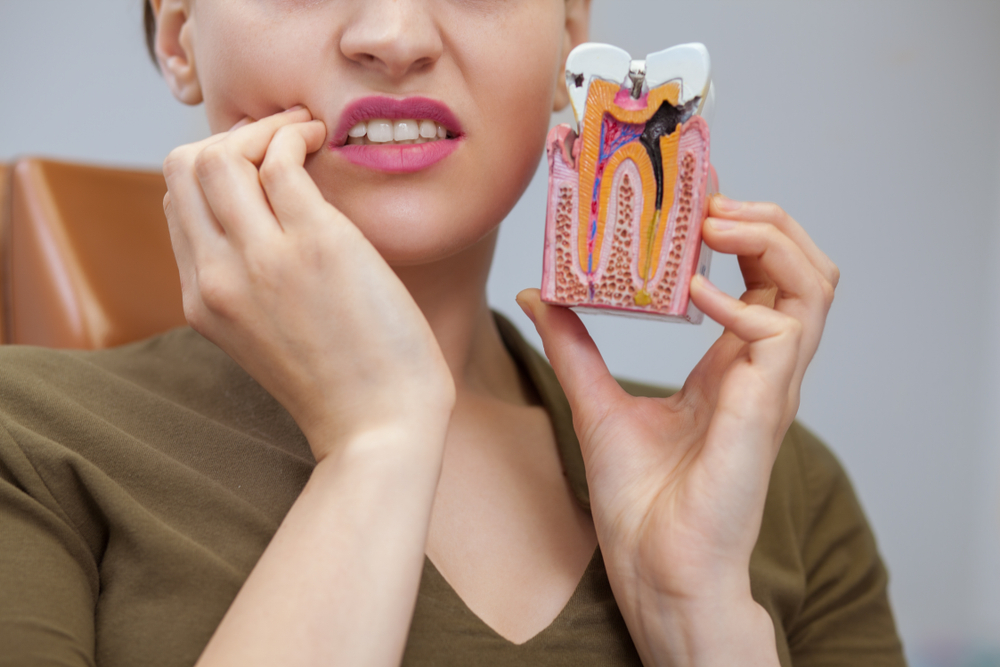
The truth is, cavities often don’t cause pain until they’ve progressed to a point where significant damage has been done to the tooth. This phenomenon can be attributed to the structure of our teeth and the nature of tooth decay itself.
In the early stages of tooth decay, which typically begins in the enamel—the outer layer of the tooth—there is seldom any pain. This is because enamel is primarily composed of minerals and contains very few nerve endings. As a result, when decay is limited to the enamel, there are no nerves present to signal pain.
However, as decay progresses and reaches the deeper layers of the tooth, such as the dentin or pulp, where nerve endings are more abundant, pain may develop. By this point, significant damage has likely occurred, and the decay may have advanced to a stage where a root canal or extraction is necessary.
This delayed onset of pain can lead to a false sense of security for patients, who may delay seeking dental treatment until symptoms become unbearable. Unfortunately, by the time pain develops, the decay may have already caused irreversible damage to the tooth.
In many cases, dentists aim to intervene at the earliest signs of decay, typically opting for conservative treatments such as fillings, inlays, onlays, or crowns to restore the tooth’s structure and prevent further damage. These treatments are often successful in halting the progression of decay and preserving the tooth’s function.
However, there are instances where decay may be more extensive, and the decision to attempt restoration without a root canal may still be made. This decision is based on several factors, including the extent of decay, the condition of the tooth, and the patient’s overall oral health. While the goal is to preserve the natural tooth whenever possible, there are cases where restoration without a root canal may not be successful, leading to the need for additional treatment down the line.
Unfortunately, some patients may perceive the decision to attempt restoration without a root canal as inadequate care, especially if they experience pain or discomfort following the procedure. If the restoration doesn’t produce pain, this perception typically doesn’t arise in the patient’s mind. It’s important to understand that dentists carefully weigh the risks and benefits of each treatment option and make decisions based on what they believe is best for the patient’s long-term oral health.
By understanding why cavities don’t typically hurt until it’s too late and the factors involved in treatment decisions, patients can make informed choices about their dental care and work collaboratively with their dentist to achieve optimal outcomes. Prevention, early intervention, and open communication are key to maintaining a healthy smile for life.

by Dr. Richard J. Walicki | Jan 19, 2024 | Enamel, Fluoride, Hygiene, Prevention, Smile, Tooth Decay
Forget fancy gadgets and serums, the secret to a dazzling, lifelong smile lies within ourselves, nestled around our pearly whites – tooth enamel! This powerhouse mineral, stronger than bone, shields our teeth from daily wear and tear. But how do we keep this natural wonder strong and shining without relying on traditional methods like fluoride?
Enamel Empowerment:
- Food for Champions: Embrace calcium-rich heroes like leafy greens, sesame seeds, and dairy products. These power-up your enamel with building blocks for resilience.
- Hydration Heroes: Water is your enamel’s best friend! Swig it regularly to wash away food debris and neutralize acidic foes.
- Brushing Brigade: Brushing after meals with a gentle, non-fluoride toothpaste is key. Choose options with xylitol, a natural sweetener that fights bacteria. ️
- Flossing Force: Don’t underestimate the power of daily flossing! It removes plaque and food particles hiding between teeth, where brushing can’t reach. ️
- Dental HQ Patrol: Regular visits to your dentist are essential for early detection and treatment of any enamel concerns. Think of them as your smile’s pit crew!
- Stress-Busting Techniques: Grinding your teeth at night? Stress can be hard on enamel too. Explore relaxation techniques to calm your mind and protect your smile.
Bonus Pro-Tips:
- Say Cheese (in moderation): Believe it or not, cheese can help neutralize acid after meals. Enjoy a bite, but remember, balance is key!
- Sugar Savvy: Limit sugary treats and acidic beverages. Opt for natural sweeteners like stevia or monk fruit in small amounts.
- Say No to Smoking: Smoking weakens enamel and stains teeth. Ditch the habit for a healthier, brighter smile!
Remember, a strong enamel foundation starts with small, mindful choices. By prioritizing natural sources of calcium, maintaining good oral hygiene, and managing stress, you can pave the way for a dazzling, resilient smile that lasts a lifetime! ✨