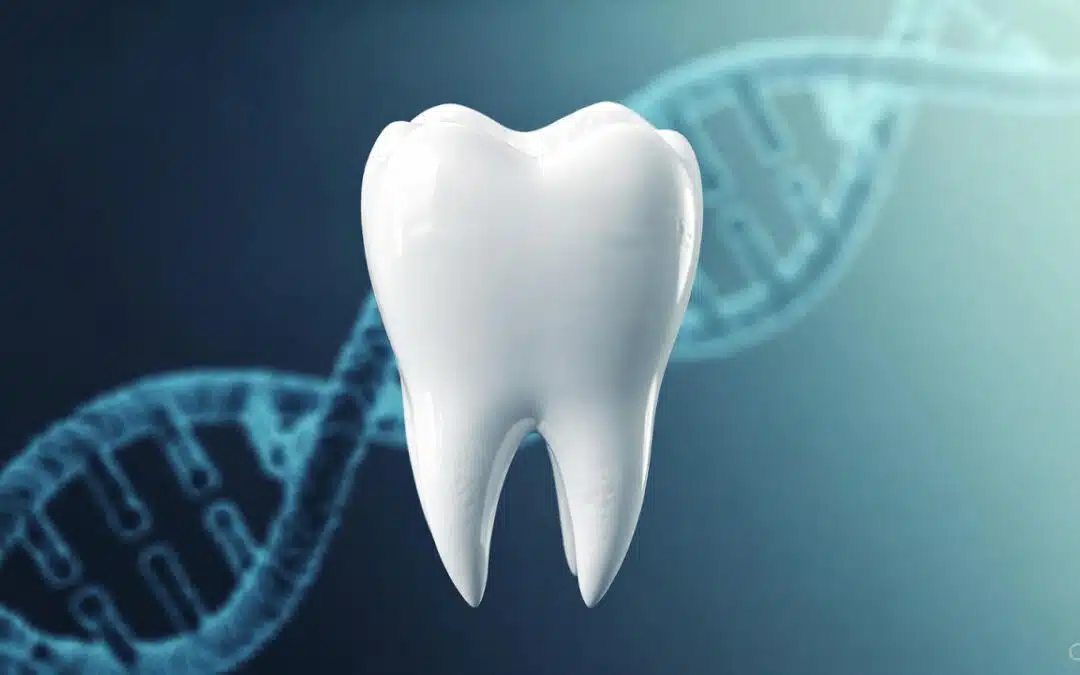
Sex Determination From Teeth: The Strange Science Hidden in Your Enamel
Most people don’t realize it, but scientists can perform sex determination from teeth even when the rest of the skeleton is missing or destroyed. Archaeologists, forensic investigators, and anthropologists all rely on this technique when bone DNA has degraded. Tooth enamel can preserve biological sex markers for centuries—sometimes even millennia.
This unusual method is possible because of a tiny enamel-forming protein called amelogenin. While enamel seems simple on the surface, it’s actually a hardened biological vault, locking away clues about the individual who grew the tooth. And because enamel is incredibly resistant to fire, water, and time, these clues often survive long after bones have crumbled into dust.
How Sex Determination From Teeth Actually Works
Amelogenin exists in two versions—one found on the X chromosome and another found on the Y chromosome. These subtle differences are the key to unlocking biological sex from nothing more than a tooth fragment:
- AMELX: located on the X chromosome
- AMELY: located on the Y chromosome
If a tooth sample contains both AMELX and AMELY, the individual had a Y chromosome and was biologically male. If only AMELX is detected, the individual was biologically female. This technique of sex determination from teeth has been validated by numerous studies, including research published through the National Institutes of Health and various international archaeological groups.
Because amelogenin is incorporated into enamel during tooth development, it becomes sealed within the hardest substance the human body can produce. While bone DNA rapidly degrades from heat, moisture, or acidity, enamel remains reliable across a wide range of environments—from ancient burial sites to modern disaster scenes.
Why Enamel Preserves Biological Information So Well
Enamel is over 95% mineral, making it harder than steel and more durable than any other human tissue. That durability is why teeth often survive fires, floods, volcanic activity, shipwrecks, and even centuries underground. This resilience also explains why enamel is invaluable for sex determination from teeth when nothing else remains.
Bones are porous, meaning bacteria, water, and oxygen penetrate easily and break down DNA quickly. Teeth, on the other hand, shield the dentin and pulp—and any biological material embedded during early development. Even when the visible enamel looks worn or cracked, internal proteins can remain intact.
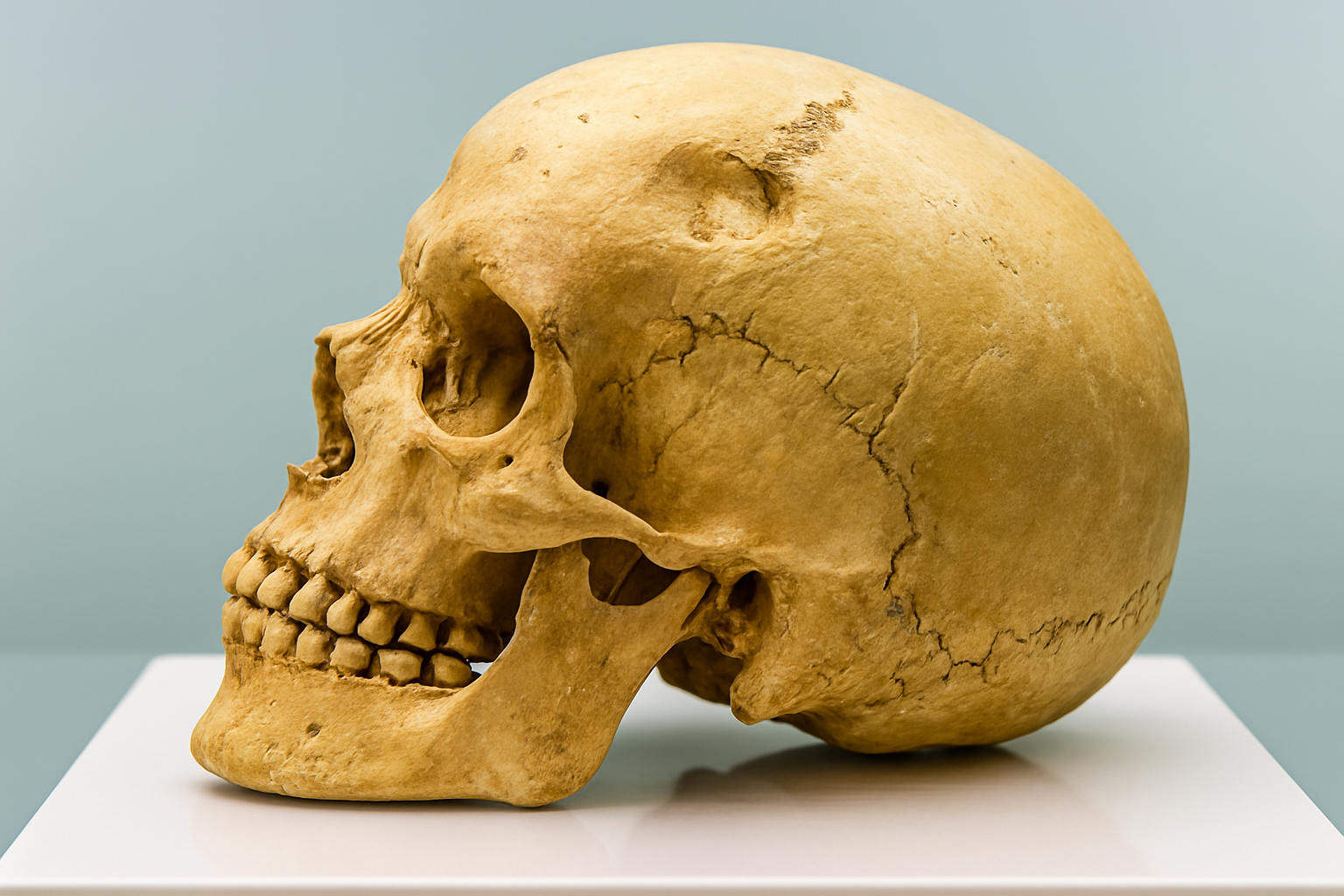
Archaeologists frequently rely on this phenomenon. Entire skeletons may be reduced to powder, yet a tooth or two may remain pristine enough to extract meaningful genetic information.
Real-World Uses in Modern Forensics
This method is not limited to ancient sites. Modern forensic teams use it to identify victims of fires, explosions, aviation accidents, and other high-temperature events. In these cases, bones may calcify or shatter, but enamel often stays intact. A single molar can sometimes provide enough data to guide an investigation forward.
In fact, some forensic cases have been solved when traditional DNA tests failed but amelogenin analysis of a tooth succeeded. It’s a perfect example of how dentistry intersects with criminal investigation, anthropology, and disaster recovery.
Teeth as Biological Time Capsules
Teeth record far more than most people realize—diet, childhood stress, environmental exposures, even details about early development. But the ability to reveal biological sex from a protein locked inside enamel might be one of the most surprising discoveries in dental science.
It’s a reminder that the human mouth contains much more than tools for eating and speaking. Teeth are biological time capsules, preserving aspects of our identity long after the rest of the body disappears.
More Weird Dental Facts and Oral Health Deep Dives
If this discovery intrigued you, here are more unusual and fascinating articles from ToothWiz Health: