If you’ve ever felt bloated, foggy, or just “off” after eating, your gut may be trying to tell you something. The term “leaky gut” is more than a wellness buzzword — it’s a growing area of research connecting digestive health to everything from mood and energy to inflammation and immunity. Your gut isn’t just where food is digested; it’s also where your immune system, hormones, and even neurotransmitters are finely tuned. When this system gets out of balance, your entire body feels the effects.
What Is Leaky Gut?
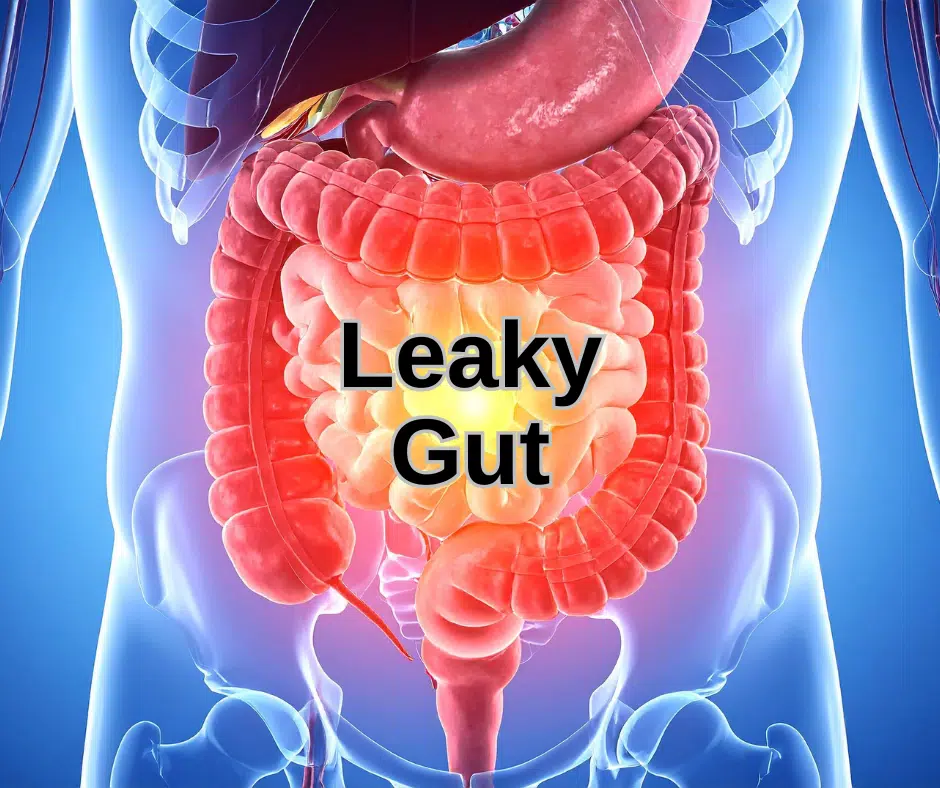
Your intestines are designed to act as a smart filter — allowing nutrients, water, and electrolytes to pass through while blocking toxins and waste. The inner lining of your gut is made up of a single layer of specialized cells called enterocytes. These cells are held together by tight junctions, microscopic gates that open and close selectively. Under normal circumstances, it’s an elegantly efficient system that keeps you healthy and nourished.
But modern life can overwhelm this barrier. Processed foods, chronic stress, medications, and toxins can cause those tight junctions to loosen. When this happens, unwanted substances — bits of undigested food, bacteria, and endotoxins — slip through the gaps and enter the bloodstream. Your immune system immediately reacts as if it’s under attack. This chain reaction is what scientists refer to as increased intestinal permeability, or what’s commonly known as leaky gut.
Once that inflammatory switch is flipped, it can stay “on” indefinitely, showing up in unexpected ways: fatigue, headaches, rashes, low mood, or even joint pain. In other words, your gut’s health is tied to nearly every system in your body.
Common Causes of Leaky Gut
While genetics can make some people more vulnerable, lifestyle factors are the biggest contributors. Here’s what often sets the stage for trouble:
- Poor diet: Highly processed foods, excess sugar, refined carbs, and seed oils damage the gut lining and disrupt the microbiome.
- Chronic stress: Elevated cortisol weakens digestive function and slows repair of the gut wall.
- Sleep deprivation: Sleep is when your body regenerates tissues, including your intestinal lining.
- Medications: Frequent use of antibiotics, NSAIDs, or acid blockers can alter gut flora and irritate the lining.
- Alcohol and smoking: Both increase oxidative stress and inflammation, accelerating barrier breakdown.
- Nutrient deficiencies: Zinc, vitamin D, omega-3s, and antioxidants are crucial for maintaining tight junctions.
- Microbiome imbalance: Too many harmful bacteria and not enough beneficial ones create a perfect storm for permeability.
Even environmental toxins — from pesticides to heavy metals — can chip away at your gut’s defenses over time. The modern world makes it nearly impossible to avoid all of these triggers, which is why proactive support is so valuable.
Symptoms You Might Notice
Because your gut communicates with nearly every system in your body, symptoms of leaky gut can seem unrelated. You might visit multiple specialists before realizing they’re all connected to the same root cause. Here are some of the most common red flags:
- Persistent bloating, gas, or abdominal discomfort
- Irregular bowel movements (constipation or loose stools)
- Food sensitivities or intolerance to foods you once enjoyed
- Brain fog, trouble concentrating, or fatigue after meals
- Skin issues such as acne, eczema, or rosacea
- Joint stiffness or muscle aches without clear injury
- Mood changes, anxiety, or irritability due to gut-brain imbalance
Left unchecked, this low-grade inflammation can set the stage for autoimmune conditions, metabolic dysfunction, and accelerated aging. That’s why addressing gut integrity early can make such a dramatic difference in how you feel day to day.
Healing a Leaky Gut Naturally
The good news is that your gut lining renews itself roughly every five to seven days. With the right nutrition and lifestyle habits, you can begin the repair process quickly. Here’s a practical roadmap:
- Eat clean, whole foods: Focus on vegetables, lean proteins, and healthy fats. Bone broth, garlic, and onions contain natural prebiotics that feed beneficial bacteria.
- Cut down on sugar and alcohol: Both promote growth of harmful bacteria and increase inflammation.
- Support your microbiome: Add fermented foods like yogurt, kefir, kimchi, or sauerkraut, or take a well-formulated probiotic.
- Manage stress: Chronic stress alters gut motility and secretions. Daily mindfulness, light walking, or deep breathing can calm the gut-brain axis.
- Get adequate sleep: Aim for 7–8 hours to allow for cellular regeneration, including the intestinal lining.
- Supplement strategically: L-glutamine supports mucosal repair; zinc carnosine strengthens tight junctions; and Tributyrin provides targeted fuel for the cells that rebuild your gut barrier.
Consistency is key — think of gut healing as a restoration project, not an overnight fix. Each meal and habit either contributes to healing or adds to the damage, so small daily choices add up.
Spotlight: Tributyrin by BodyHealth — The Gut Healer
One of the most advanced tools for gut restoration is Tributyrin, a highly absorbable form of butyrate — a short-chain fatty acid your gut microbes naturally produce when you eat fiber. Butyrate is like fuel for your colon cells; without enough of it, those cells weaken and the gut barrier starts to fail. Tributyrin delivers butyrate deeper into the intestines, where it can do the most good.
🔥 Seals & Heals the Gut Lining
- Stimulates regeneration of the protective mucous layer
- Repairs “tight junctions,” sealing microscopic leaks
- Helps your gut cells generate energy for faster recovery
🧘♀️ Supports Natural Inflammatory Processes
- Encourages a balanced immune response rather than overreaction
- Regulates gene expression linked to cellular repair and detoxification
🌿 Supports Microbiome Balance
- Feeds beneficial bacteria that crowd out harmful strains
- Promotes production of calming neurotransmitters such as GABA and serotonin, explaining why a healthy gut often means a better mood
💪 Promotes Resilient Digestion & Energy
- Reduces occasional bloating and discomfort after meals
- Improves nutrient absorption, so the food you eat actually nourishes you
- Supports steady energy by reducing inflammation-related fatigue
In today’s world of fast food, chronic stress, and environmental toxins, Tributyrin can help restore the foundation of health — your gut lining. It’s also part of BodyHealth’s Gut Support Protocol, a comprehensive system designed to address every layer of gut repair. You can take Tributyrin on its own or combine it with complementary nutrients for even greater results.
💊 Ready to start healing your gut?
Click here to discover Tributyrin by BodyHealth — and start strengthening your gut from the inside out.
Beyond Digestion: The Gut-Brain Connection
Your gut and brain are in constant conversation through what scientists call the gut-brain axis. Signals travel along the vagus nerve and through chemical messengers like serotonin and dopamine — nearly 90% of which are produced in the gut. When your gut is inflamed or imbalanced, it can send “distress” signals that affect mood, focus, and motivation. That’s why improving gut health often leads to clearer thinking and greater emotional stability.
Butyrate, the active component in Tributyrin, plays a key role here as well. It nourishes the gut lining, supports the microbiome, and reduces neuroinflammation — helping you feel not just better physically, but mentally sharper and calmer too.
The Takeaway
Your gut health influences everything — digestion, energy, mood, immunity, and even longevity. By understanding and addressing leaky gut, you give your body the foundation it needs to thrive. Focus on nourishing foods, restorative sleep, stress balance, and targeted supplements like Tributyrin. Over time, you’ll notice smoother digestion, brighter energy, clearer skin, and a lighter mood — all signs your gut barrier is healing.
As an affiliate, I may earn a small commission if you purchase through my link — at no additional cost to you.
Explore Gut Support Supplements on Fullscript |
Harvard Health: The Link Between Gut Health and Overall Wellness