Why Enamel Health Matters
Your enamel is the hardest substance in the human body, but it isn’t invincible. Learning how to strengthen enamel naturally can make all the difference between a healthy, pain-free smile and costly dental problems later on. Enamel acts as the first line of defense against bacteria, acid, and wear—yet once it’s damaged, it doesn’t regenerate.
Fortunately, nature gives us plenty of tools to maintain and even restore enamel strength through minerals, diet, and everyday habits. Let’s explore exactly how to keep your enamel resilient for years to come.
Understanding Enamel and Its Role
To know how to strengthen enamel naturally, it helps to understand what enamel actually is. This protective shell is 96% mineral—mostly hydroxyapatite crystals—making it incredibly strong but also prone to erosion if exposed to acid or abrasion over time. Because enamel doesn’t contain living cells, once it’s gone, your body can’t replace it.
That’s why daily habits—like smart nutrition, gentle brushing, and regular hydration—are crucial to protect this natural armor before it weakens.
How to Strengthen Enamel Naturally Through Nutrition
When it comes to dental resilience, your diet is the foundation. Certain nutrients help remineralize enamel and neutralize the acids that cause decay.
1. Eat Calcium- and Phosphorus-Rich Foods
These two minerals are enamel’s building blocks. They repair microscopic damage and strengthen your teeth’s outer surface.
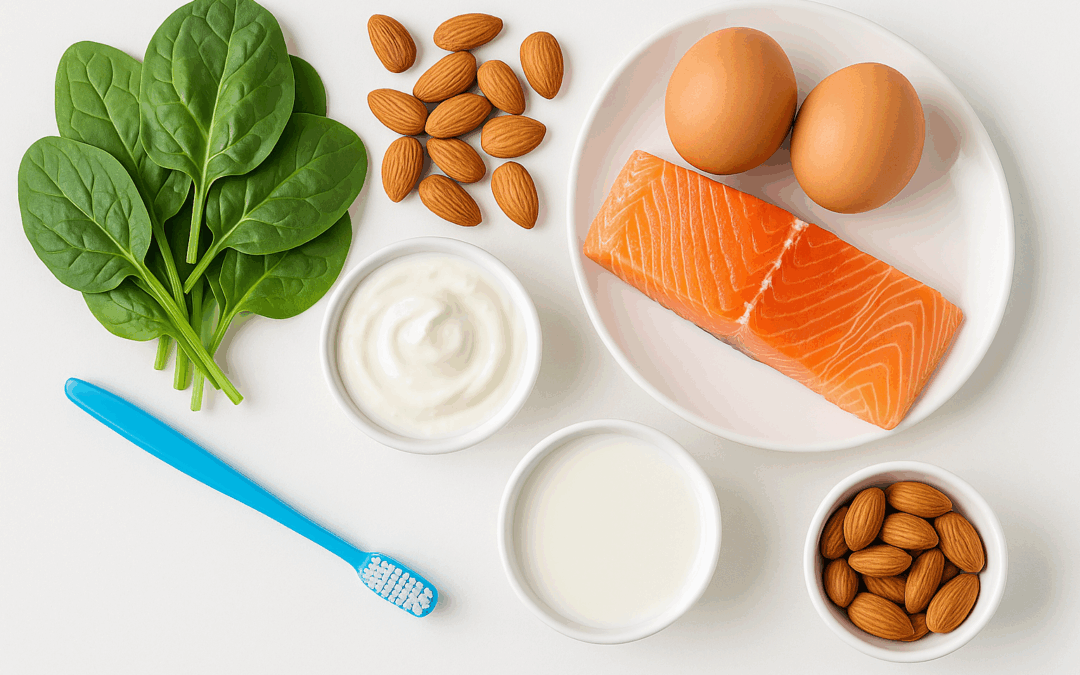
- Dairy Products: Cheese and yogurt help neutralize acid and supply essential minerals.
- Leafy Greens: Spinach, kale, and collards are excellent non-dairy sources of calcium.
- Nuts and Seeds: Almonds and sesame seeds provide minerals and healthy fats.
- Fish: Salmon and sardines with bones add both calcium and phosphorus for enamel repair.
For more on these nutrients, visit the NIH Calcium Fact Sheet.
2. Boost Vitamin D Intake
Vitamin D ensures calcium and phosphorus are absorbed efficiently. Without it, even the healthiest diet won’t help rebuild enamel.
- Spend 10–15 minutes in sunlight each day.
- Include fatty fish such as salmon, tuna, and mackerel.
- Consider a supplement if you live in low-sunlight regions.
Learn more from the NIH Vitamin D Fact Sheet.
Natural Remedies That Protect and Rebuild Enamel
3. Try Oil Pulling and Herbal Rinses
Looking for gentle ways to clean your mouth and strengthen enamel? Herbal rinses and oil pulling can help. Coconut oil pulling, in particular, has been used for centuries to reduce plaque and support gum health.
- Green Tea Rinse: Contains antioxidants that help reduce acid-producing bacteria.
- Coconut Oil: Swish 1 tablespoon for 15–20 minutes daily to minimize plaque buildup.
- Sage or Mint Rinse: Naturally antibacterial and refreshing.
4. Stay Hydrated to Support Natural Remineralization
Water is your mouth’s natural defense system. It helps produce saliva, which neutralizes acids and carries minerals that rebuild enamel. Without adequate hydration, the mouth becomes dry, acidic, and prone to decay.
- Drink at least eight glasses of water daily.
- Rinse after acidic foods instead of brushing immediately.
- Chew sugar-free gum to stimulate saliva flow.
How Long It Takes to Strengthen Enamel Naturally
Many people ask how long it actually takes to see results from natural enamel care. While everyone’s mouth chemistry is different, small improvements can begin within a few weeks of consistent effort. Visible results—like reduced sensitivity or smoother tooth surfaces—typically appear after one to three months of disciplined care.
Common Mistakes That Weaken Enamel
- Brushing Too Hard: Aggressive brushing erodes enamel. Use a soft-bristled brush and gentle pressure.
- Frequent Snacking: Constant acid exposure prevents saliva from restoring minerals.
- Overusing Whitening Products: Many whitening agents are abrasive and can thin enamel over time.
- Ignoring Dry Mouth: Saliva protects enamel—address dryness caused by medications or dehydration.
When to See a Dentist
Even when you’re doing everything right, professional support can make a difference. Schedule checkups every six months for early detection of enamel wear or decay. Modern dental technologies, such as fluoride varnishes and calcium-phosphate treatments, can enhance your natural efforts.
For more on preventive care, see Top 5 Preventive Dental Care Practices to Know and 7 Oral Health Deficiencies That May Be Affecting Your Smile.
Conclusion: How to Strengthen Enamel Naturally for Life
Now that you understand how to strengthen enamel naturally, you can take daily steps to protect your teeth for life. Choose nutrient-rich foods, stay hydrated, manage stress, and visit your dentist regularly. With time and consistency, these habits can rebuild mineral density, reduce sensitivity, and give you a brighter, more confident smile.
With consistent habits and mindful care, anyone can learn how to strengthen enamel naturally and maintain a healthy, radiant smile for years to come.