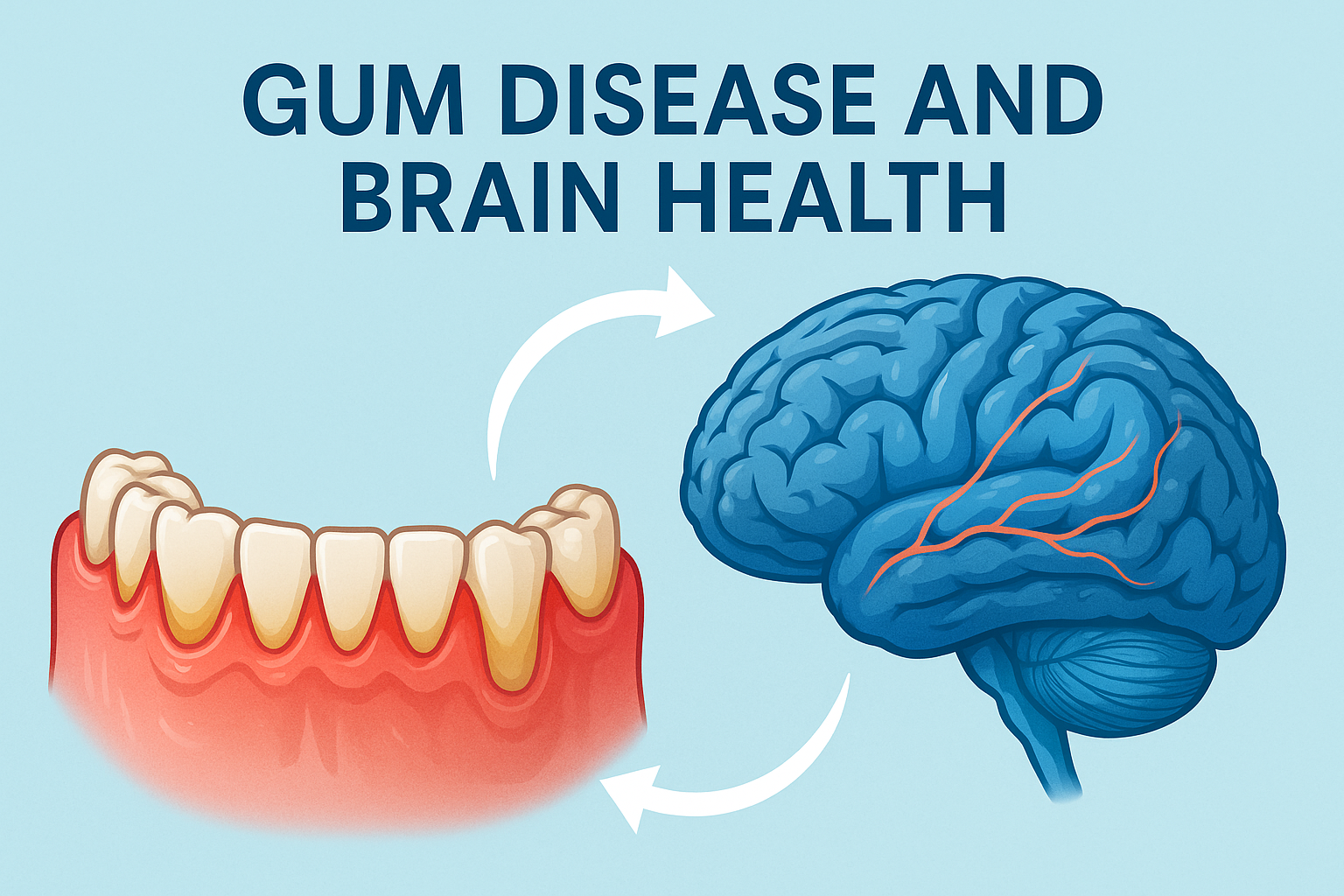
Introduction: Gum Disease and Brain Health
Definition of Gum Disease
Gum disease (periodontal disease) is a chronic inflammatory condition driven by bacterial biofilms. It often begins as
gingivitis (gum inflammation and bleeding) and can progress to periodontitis, where the attachment between gum and tooth breaks down. In periodontitis, pathogenic biofilm extends subgingivally, pockets deepen, and supporting bone may be lost. Untreated disease increases the risk of tooth loss and is associated with systemic effects beyond the oral cavity, including potential effects on brain health.
Overview of Brain Health
Brain health encompasses the integrity of cognitive functions—memory, attention, processing speed, and executive function—supported by strong vascular and metabolic systems. Factors such as age, sleep, physical activity, nutrition, and oral health all contribute to maintaining long-term cognitive resilience.
Why Explore the Connection?
The connection between gum disease and brain health has gained attention as evidence accumulates that oral pathogens and chronic periodontal inflammation may influence neuroinflammatory pathways. Oral bacteria and their by-products can enter the bloodstream, potentially reach the central nervous system, and contribute to
brain inflammation. While Alzheimer’s disease and other dementias are multifactorial, periodontal status appears to be a modifiable risk factor.
Understanding the link between gum disease and brain health supports practical strategies for prevention. Evidence-based periodontal care—plaque control, smoking cessation, and professional therapy—may reduce inflammatory burden relevant to cognitive wellness.
The Science Behind Gum Disease
Causes of Gum Disease
Periodontitis is initiated by dysbiotic bacterial communities within dental plaque. Contributing factors include inadequate oral hygiene, tobacco use, systemic disease, hormonal fluctuations, and genetic predisposition. These factors combine to amplify inflammation and tissue destruction, elevating overall risk to brain health.
- Poor oral hygiene: inadequate plaque removal and infrequent dental care.
- Smoking: suppresses immune response and delays healing.
- Hormonal changes: puberty, pregnancy, and menopause may heighten gingival sensitivity.
- Systemic conditions: diabetes and metabolic disorders exacerbate inflammation.
- Genetics: individual variations in immune response influence disease susceptibility.
Stages of Gum Disease
The disease advances through stages with increasing tissue breakdown and greater systemic impact, potentially influencing brain health.
| Stage | Description | Symptoms |
|---|---|---|
| Gingivitis | Reversible inflammation confined to gingiva. | Bleeding, redness, mild swelling. |
| Mild Periodontitis | Early attachment loss, shallow pockets. | Halitosis, minor mobility, calculus buildup. |
| Moderate Periodontitis | Progressive loss of bone and tissue support. | Deeper pockets, recession, discomfort. |
| Severe Periodontitis | Extensive tissue destruction, potential tooth loss. | Mobility, bleeding, pain, and visible bone loss. |
Without treatment, periodontal inflammation increases the body’s systemic load, which may influence gum disease and brain health outcomes.
Symptoms and Diagnosis
Early periodontal changes can be silent. Common symptoms include:
- Bleeding gums: during brushing or flossing.
- Persistent bad breath: from anaerobic bacterial activity.
- Receding gums: exposing sensitive root surfaces.
Dentists diagnose periodontal disease by measuring pocket depths and evaluating radiographic bone levels. Early detection not only preserves teeth but may also reduce inflammation affecting gum disease and brain health.

The Impact of Gum Disease on Overall Health
Systemic Effects of Untreated Gum Disease
In the context of gum disease and brain health, untreated periodontitis contributes to persistent bacteremia and immune activation. Pathogens and inflammatory mediators may travel to distant organs, including the brain, where they can contribute to neuroinflammation and tissue damage.
Links to Other Chronic Conditions
- Diabetes: inflammation worsens glycemic control, and high glucose impairs immune response.
- Cardiovascular disease: inflammation contributes to atherosclerosis and endothelial dysfunction.
- Respiratory disease: aspiration of oral bacteria may aggravate chronic lung conditions.
Understanding Brain Health
Factors That Influence Brain Health
- Nutrition: diets rich in omega-3s, antioxidants, and vitamins support cognition.
- Exercise: improves blood flow and promotes neuroplasticity.
- Sleep: allows cellular repair and toxin clearance.
- Stress management: reduces cortisol-driven inflammation.
- Oral health: lowers systemic inflammatory exposure, indirectly protecting the brain.
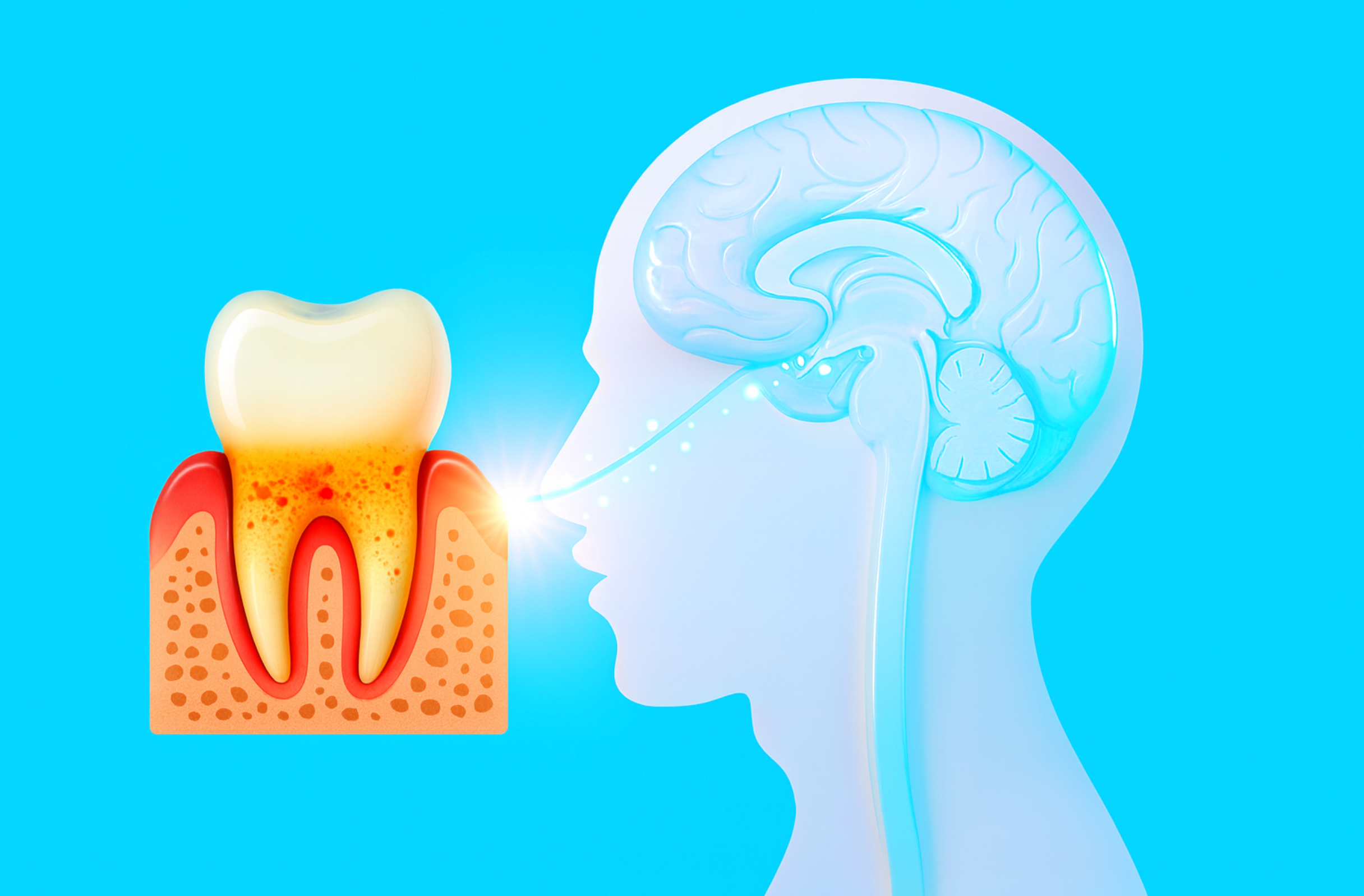
The Oral-Systemic Connection
Oral health and brain health are linked through inflammation and vascular pathways. Periodontal pathogens have been detected in brain tissue, suggesting a plausible biological route between gum disease and brain health.
Research and Evidence
Numerous studies have explored the relationship between gum disease and brain health. For example, researchers have identified periodontal pathogens such as Porphyromonas gingivalis in the brains of patients with Alzheimer’s disease. Chronic periodontal inflammation may contribute to systemic cytokine release, vascular changes, and neuroinflammatory responses—all associated with cognitive decline.
Prevention and Management
Home Care Practices
- Brush twice daily with a soft-bristled or powered toothbrush.
- Clean interdentally once per day with floss or interdental brushes.
- Rinse with an antimicrobial mouthwash as advised by your dentist.
- Maintain professional cleaning visits every 3–4 months as needed.
Nutrition and Lifestyle
- Limit sugar intake: to minimize bacterial growth.
- Consume anti-inflammatory foods: such as leafy greens, berries, and fatty fish.
- Stay hydrated: saliva supports natural cleansing and remineralization.
Prevention remains the cornerstone for maintaining gum disease and brain health together. Regular professional care, home hygiene, and lifestyle optimization protect both your smile and your mind.
Further reading on ToothWiz:
How dental infections spread beyond a tooth ·
Supplements that promote gum and immune health ·
Nutrients that support brain and gut function
References:
American Academy of Periodontology – periodontal bacteria linked to Alzheimer’s ·
Meta-analysis: Oral bacteria and cognitive decline ·
Forsyth Institute – Gingival bacteria and amyloid plaque
This article is for educational purposes only and is not a substitute for professional dental or medical advice. Patients should consult their dentist or physician for personalized recommendations.