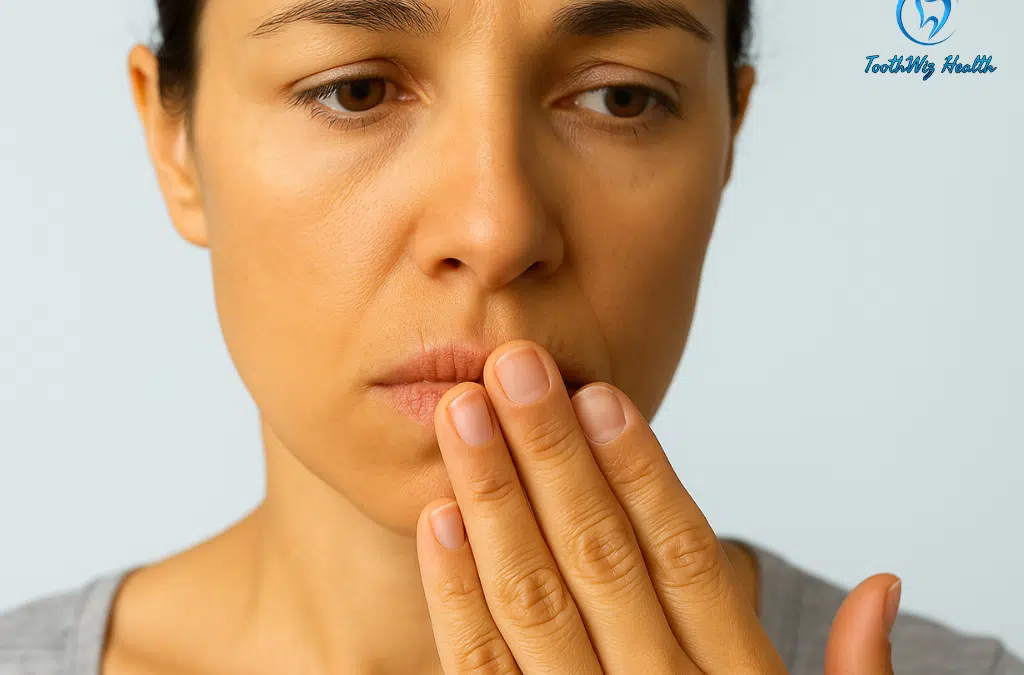
Feeling like your mouth is always dry is more than just annoying. “Dry mouth” means your saliva is not doing its normal job — and that can seriously weaken your teeth, gums, and overall oral comfort. The good news: once you understand what is causing it, there are often simple changes that bring real relief.
What is dry mouth?
Dry mouth occurs when your salivary glands do not produce enough saliva to keep your mouth comfortably moist. Saliva is your mouth’s first line of defense. It helps neutralize acids, wash away food debris, support enamel repair, and keep oral tissues healthy. When saliva is low, teeth and gums become much more vulnerable to decay, irritation, and rapid wear. For a concise medical overview, the Mayo Clinic has a helpful page on dry mouth (xerostomia).
Some people notice dry mouth only at night, others feel it all day long, and many experience a mix of both. People taking multiple medications, breathing through the mouth at night, or dealing with chronic dehydration are at higher risk.
Common causes of dry mouth
Medications
Many everyday medications list dry mouth as a side effect. These include drugs for blood pressure, depression and anxiety, allergies, asthma, pain, and urinary issues, among others. Cancer treatments, especially radiation to the head and neck, can also reduce saliva production.
If you started a new medication and soon noticed persistent dryness, it is worth mentioning this to both your prescribing physician and your dentist. Sometimes there are alternatives, dose adjustments, or supportive strategies that can lessen the impact on saliva.
Mouth breathing and sleep issues
Sleeping with your mouth open dries the tissues quickly. Snoring, nasal congestion, and untreated sleep apnea are common reasons people become mouth breathers at night. Over time, this can lead to more cavities, gum inflammation, a coated tongue on waking, and a higher risk of morning breath that does not go away easily.
Dehydration and lifestyle habits
Not drinking enough water, or consuming dehydrating substances like alcohol and caffeine, can suppress saliva flow. Add habits such as smoking or vaping, and dryness often intensifies. Long work days, frequent travel, or simply forgetting to drink enough can all contribute.
Medical conditions
Chronic conditions such as diabetes, autoimmune disorders, hormonal imbalances, and certain neurological issues can affect saliva production. In older adults — especially those on multiple medications — several of these factors can overlap and make dryness more severe.
Age and dental work
As people age, they are more likely to be taking medications and to have extensive dental restorations, crowns, or dentures. Less saliva plus older dental work is a risky combination: small problems can progress more quickly in a dry environment.
Why dry mouth is a serious problem for teeth and gums
Low saliva is not just uncomfortable — it changes how your mouth functions:
- Acid attacks last longer. After meals, bacteria produce acids. With little saliva to neutralize them, enamel gets eroded more quickly.
- Natural enamel repair slows down. Minerals in saliva help repair early microscopic damage to enamel. Dry mouth reduces this natural remineralization process.
- Food and plaque stick longer. Debris clings to teeth and along the gumline when there is not enough moisture to wash it away.
- The oral microbiome shifts. A dry, stagnant environment favors certain bacteria and yeast, which can cause bad breath, irritation, and infections.
Dry mouth and dentures: a major concern for older adults
If you wear full or partial dentures, saliva is more than just moisture — it is what helps the dentures stay comfortably in place. When the mouth is dry, dentures can slip, rub, and create sore spots. Many people begin wearing their dentures less often because eating and speaking become uncomfortable.
Dry mouth also increases the risk of irritation or infection under dentures. Saliva normally helps keep tissues healthy and keeps the balance of microbes under control. Without it, yeast can overgrow and cause soreness or a condition known as denture stomatitis.
Dry mouth in denture wearers is often linked to medications, which are very common in older adults. In these situations, your dentist and physician may need to work together to adjust medications or find supportive strategies to preserve saliva and tissue health.
A few simple steps can make a big difference:
- Remove dentures at night. This allows the tissues to rest and reduces irritation and infection risk.
- Clean dentures daily using products made for dentures — regular toothpaste is usually too abrasive.
- Have your dentist check the fit regularly. Poor fit causes friction, which becomes much worse when saliva is low.
- Use saliva-friendly moisturizers. Water-based gels or sprays can soothe tissues and reduce dryness during the day.
Addressing dry mouth in denture wearers is not just about comfort. It helps protect the soft tissues, reduces infections, and keeps dentures functional so you can continue to enjoy eating and smiling with confidence.
Self-check: is your dry mouth a warning sign?
Before you talk with a dentist or physician, it can help to notice patterns. Ask yourself:
- Is my mouth mostly dry at night, during the day, or all the time?
- Did this start after a new medication, surgery, or health change?
- Do I snore, mouth-breathe, or wake up with a coated tongue or sore throat?
- Do I also notice a burning sensation, white patches, or a persistent bad taste?
- Do I struggle with morning breath that does not fully clear after brushing and tongue cleaning?
These clues help your dental and medical providers decide whether your dry mouth is more likely related to breathing, medications, dehydration, systemic health, or a combination of factors.
Natural ways to relieve dry mouth
There is no single “cure” for dry mouth, but several gentle, practical steps can improve comfort and reduce damage while you address the underlying cause.
Hydrate smarter, not just more
Sipping water throughout the day is important, but plain water alone may not fully correct dryness. Adding electrolytes (without excessive sugar) can help your body hold onto fluids more effectively, especially if you are active, perspire a lot, or take diuretics. Try to limit heavy alcohol and caffeine intake, particularly later in the day, since both can worsen dryness.
Stimulate saliva gently
Chewing sugar-free xylitol gum or using xylitol lozenges can encourage your salivary glands to produce more saliva. Xylitol is not fermented by cavity-causing bacteria, which makes it safer for enamel than regular sugary mints and candies.
Choose alcohol-free oral rinses
Many over-the-counter mouthwashes contain significant amounts of alcohol, which can dry tissues even more. If you have dry mouth, look for alcohol-free rinses or moisturizing sprays formulated specifically for dry mouth. These are generally much kinder to the tissues and can provide relief without adding to the problem.
Support better breathing and sleep
If your dryness is worst at night, consider whether you might be mouth breathing while you sleep. Nasal saline rinses, a bedroom humidifier, or simple positional changes may help. If you snore loudly, wake up unrefreshed, or notice dry mouth together with headaches or daytime fatigue, it may be wise to talk with your physician about screening for sleep apnea.
Support your oral and gut microbiome
Because saliva plays a major role in balancing the microbes in your mouth, low saliva can lead to overgrowth of less friendly species. A nutrient-dense diet, stable blood sugar, and, when appropriate, targeted probiotics (oral or gut-focused) may help support a healthier oral environment. In many cases, what helps your gut and immune system will also help your mouth.
Protect your enamel in a dry environment
When saliva is low, enamel loses some of its natural protection. Brushing gently twice a day with a soft brush, cleaning between your teeth daily, and avoiding frequent sugary or acidic snacks are all essential. For a deeper dive into how enamel can be supported and repaired, you may find my article on natural tooth enamel remineralization helpful.
When dry mouth needs professional attention
Occasional mild dryness can often be managed with simple lifestyle changes. However, you should seek a professional evaluation if you notice any of the following:
- Dry mouth that persists for weeks despite good hydration and home care
- Rapidly increasing cavities, broken or chipped teeth, or new tooth sensitivity
- Sores, white patches, or a burning sensation on the tongue or cheeks
- Difficulty chewing or swallowing dry foods, or trouble wearing dentures comfortably
- Dry mouth combined with dry eyes, joint pain, or other systemic symptoms
A dental exam can evaluate your teeth, gums, and oral tissues for changes related to low saliva. Your dentist may coordinate with your physician to review medications, screen for sleep or breathing issues, or investigate possible underlying conditions.
Frequently asked questions about dry mouth
Can dry mouth cause cavities?
Yes. Without enough saliva to dilute acids and wash away food particles, cavity-causing bacteria have a much easier time damaging enamel. People with chronic dry mouth often develop cavities more quickly, especially along the gumline and around existing fillings or crowns.
Is dry mouth just a normal part of getting older?
Dry mouth is more common with age, largely because older adults are more likely to be on multiple medications and to have medical conditions that affect saliva. However, that does not mean it should be ignored. Persistent dryness is a sign that your natural defenses are compromised and deserves attention.
What is the best mouthwash for dry mouth?
In general, the best products for dry mouth are alcohol-free rinses or moisturizing gels designed specifically for dry mouth. Alcohol-based mouthwashes may feel refreshing for a moment but tend to worsen dryness over time. Your dentist can recommend products suited to your situation.
Can dry mouth contribute to cracked teeth?
Dry mouth does not “crack” teeth by itself, but it can make teeth more vulnerable. With less saliva, enamel is exposed to acids for longer periods and loses some of its natural ability to repair early damage. If you also clench or grind your teeth — especially at night — that combination of weakened enamel and heavy forces can increase the risk of cracks over time. If you have ever felt a sharp jolt when biting down or releasing pressure on one tooth, you may find my guide on cracked tooth symptoms and treatment options helpful.
Can dry mouth be cured?
Whether dry mouth can be fully reversed depends on the cause. If it is mostly due to dehydration or lifestyle factors, it may improve significantly with better hydration and habits. When medications, radiation treatment, or systemic conditions are involved, the goal is often to manage symptoms, protect teeth and tissues, and support saliva as much as possible.
Bottom line: dry mouth deserves attention
Dry mouth is common, but it is not something you have to simply tolerate. It is your body’s way of saying that saliva — your natural shield — is not keeping up with the demands placed on it. By paying attention to when dryness shows up, making targeted lifestyle changes, and seeking professional guidance when needed, you can protect your teeth, support your oral tissues, and improve day-to-day comfort.
If your mouth feels dry most of the time, consider it an early warning rather than just an irritation. Listening now can save you a great deal of dental trouble later — and help you keep your mouth healthier and more comfortable for years to come.
👉 Want more support? I’m currently building a Dry Mouth Relief Toolkit that will guide you through the most common causes of dry mouth and the smartest steps to take next.
If you’d like updates — including when the toolkit goes live — follow me on Instagram or TikTok and check the link in my bio for fresh resources as they’re added. In the meantime, the tips above are a great place to start. 💧