Bruxism causes—commonly referred to as teeth grinding or clenching—are often discussed as though there is a single explanation. Some professionals attribute it primarily to stress. Others focus on bite alignment, muscle activity, sleep disorders, nutritional deficiencies, or even bacteria.
When people search for answers about bruxism, they are often looking for a single explanation. In reality, most bruxism causes involve overlapping biological and behavioral factors.
What’s striking is that each of these perspectives has supporting data—and each shows improvement when addressed in the right context.
Rather than being contradictory, this may point to a more accurate conclusion: bruxism is not a single-condition problem. It is multifactorial.
Why Bruxism Causes Are Rarely Just One Thing
One of the most compelling clues that bruxism has multiple contributing factors is that very different approaches can reduce or stop it. Stress reduction helps some patients. Bite adjustments help others. Nutritional support, medication changes, or sleep-focused interventions can also make a noticeable difference.
Bruxism as a Sign, Not a Diagnosis
One of the most important shifts in modern dentistry is recognizing that bruxism is best understood as a functional output, not a disease in itself.
In other words, grinding and clenching are behaviors generated by the nervous and muscular systems in response to internal or external stimuli. That helps explain why treating one contributing factor can dramatically help one patient, yet do little for another.
This also explains why long-standing debates about the “true cause” of bruxism persist—each school of thought is observing a different piece of the same puzzle.
Stress and Central Nervous System Activation
Stress-related bruxism is perhaps the most widely recognized theory, and for good reason. Elevated stress levels increase sympathetic nervous system activity, alter sleep architecture, and raise muscle tone—particularly during micro-arousals in sleep.
Multiple studies have shown associations between stress, anxiety, and increased bruxism activity, especially sleep bruxism. Addressing stress through behavioral changes, sleep hygiene, or nervous system regulation often reduces grinding intensity in these patients.
If you’re interested in how sleep-related changes can affect oral health, you may also find this helpful:
The Science Behind Morning Breath: Why It Happens and How to Fix It.
Neuromuscular and Motor Pattern Theories
Another body of research views bruxism as a neuromuscular phenomenon—a repetitive motor pattern driven by reflex loops involving the brainstem and masticatory muscles.
This perspective helps explain why certain approaches aimed at muscle regulation (including improving sleep quality or reducing physiologic arousal) sometimes reduce clenching. It also aligns with findings that bruxism can occur during specific sleep phases associated with autonomic activity.

Occlusion-Based Explanations
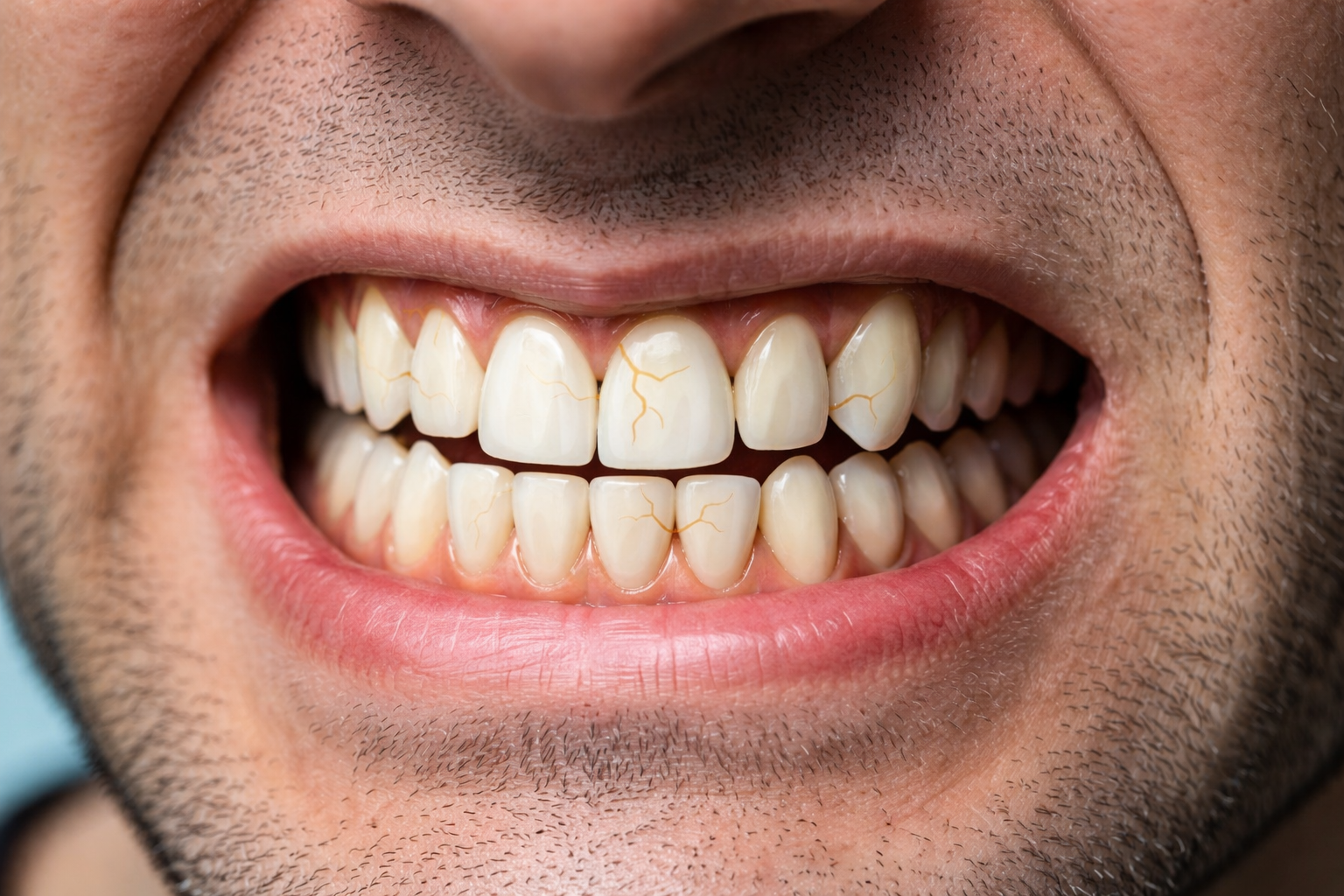
Historically, occlusal interferences were thought to be a primary cause of bruxism. While modern research suggests bite issues alone rarely cause bruxism, they can act as perpetuating or amplifying factors in susceptible individuals.
Correcting occlusal discrepancies may reduce symptoms for some patients—not because occlusion is the root cause, but because it reduces abnormal proprioceptive input to the nervous system.
Nutritional Deficiencies and Neuromuscular Excitability
Certain nutritional deficiencies—particularly magnesium, calcium, and B vitamins—are associated with increased neuromuscular excitability.
Clinical observations and some studies suggest that correcting deficiencies can reduce bruxism intensity in certain individuals. This does not imply nutrition is the cause of bruxism, but rather one potential contributor among many bruxism causes.
Microbiome and Inflammatory Theories
Emerging research has explored whether chronic inflammation or oral microbiome imbalance may influence neuromuscular activity or sleep quality. While this area is still speculative, it underscores an important theme: bruxism may reflect systemic imbalance rather than isolated dental pathology.
Medication-Induced Bruxism: The Benzodiazepine Connection
One of the most clinically revealing insights into bruxism emerged from studies examining unexpected dental implant failures.
Dental implants typically demonstrate long-term success rates of approximately 90–95%. However, some analyses noted a higher-than-expected failure rate in patients taking certain medications—particularly benzodiazepines.
Further investigation suggested that these medications can alter sleep architecture and muscle regulation, increasing the likelihood of nocturnal bruxism. The resulting excessive forces may overload implants, contributing to failure.
This finding reframes implant complications not as purely mechanical issues, but as interactions between biology, behavior, and systemic factors. It also supports the broader idea that bruxism causes often extend beyond the teeth themselves.
For readers who want a mainstream overview of bruxism (including risk factors and management options), these are solid starting points:
Why a Multifactorial Model Makes Sense
When stress reduction helps one patient, occlusal adjustment helps another, nutritional support helps a third, and medication review helps a fourth—the most logical conclusion is not that one theory is correct and the others are wrong.
Rather, bruxism represents a final common pathway—a behavioral response that different individuals reach through different mechanisms.
What This Means for Patients and Clinicians
Understanding bruxism as multifactorial encourages individualized evaluation, realistic expectations, and protection-focused strategies (such as night guards) rather than promises of a single cure.
If you’d like to explore other ToothWiz Health content related to grinding and clenching, you can browse here:
Search ToothWiz for “bruxism”.
The Bottom Line
Bruxism is not a failure of teeth or dentistry. It is a signal—often reflecting stress, sleep disruption, neuromuscular imbalance, systemic influences, or a combination of all four.
Recognizing this complexity is not controversial. It is simply consistent with how the human body works—and it’s often the most useful way to think about bruxism causes when choosing practical next steps.