by Dr. Richard J. Walicki | Nov 22, 2025 | Dentistry
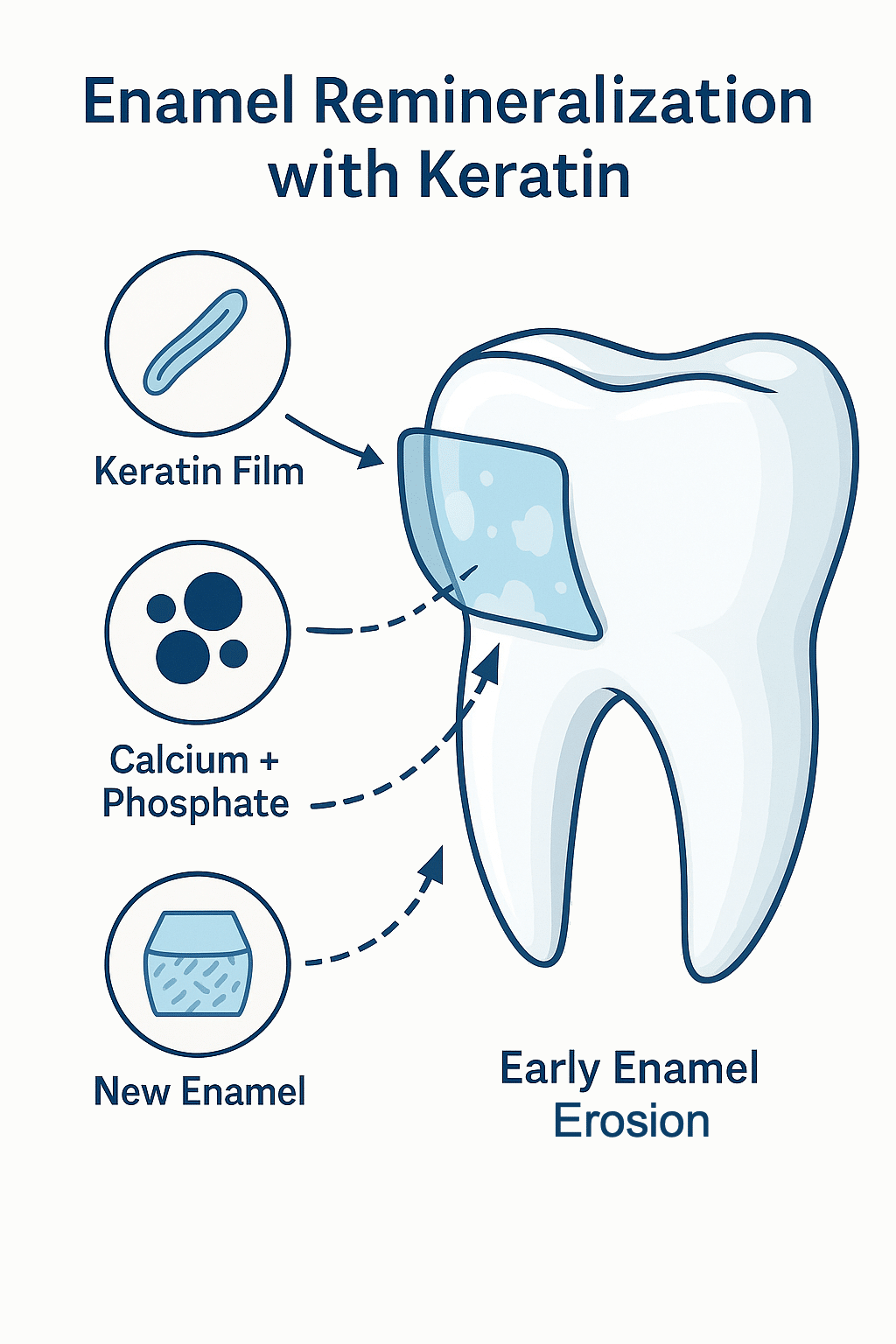
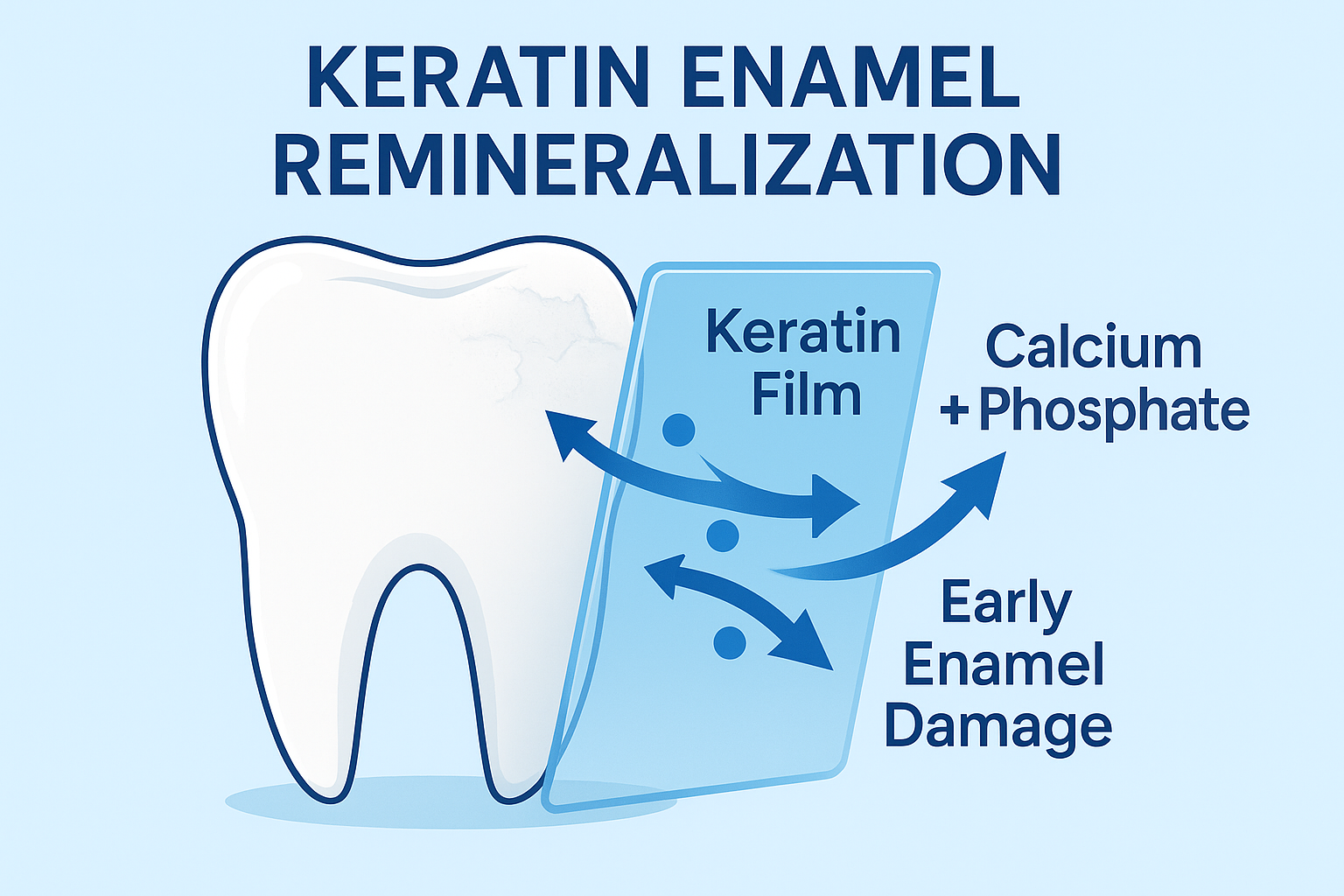
Keratin enamel remineralization is an emerging concept that may one day help rebuild early enamel damage using the same protein found in your hair. New research suggests this possibility is much closer than most people realize.
Keratin Enamel Remineralization: A New Direction in Tooth Repair
Tooth enamel is incredibly strong—harder than bone—but it has one major limitation: once its deeper structure breaks down, the body cannot rebuild it. Early enamel erosion often appears as faint, chalky “white spot lesions.” These spots represent weakened enamel where minerals have dissolved away. If this mineral loss continues unchecked, it eventually becomes a cavity.
Traditionally, once enamel reaches a certain level of damage, the only reliable treatment has been to remove the weakened area with a dental drill and restore it with a filling. But modern dental research is shifting toward a different philosophy: repairing enamel at its earliest stages before a cavity forms. This is where keratin enamel remineralization becomes especially interesting.
What “biomimetic” really means
Biomimetic = bio (life) + mimetic (to imitate).
In dentistry, biomimetic methods try to copy the way the body naturally grows or repairs tissues. Instead of patching enamel, the goal is to help the tooth rebuild structures that behave more like the real thing.
Why Keratin Matters
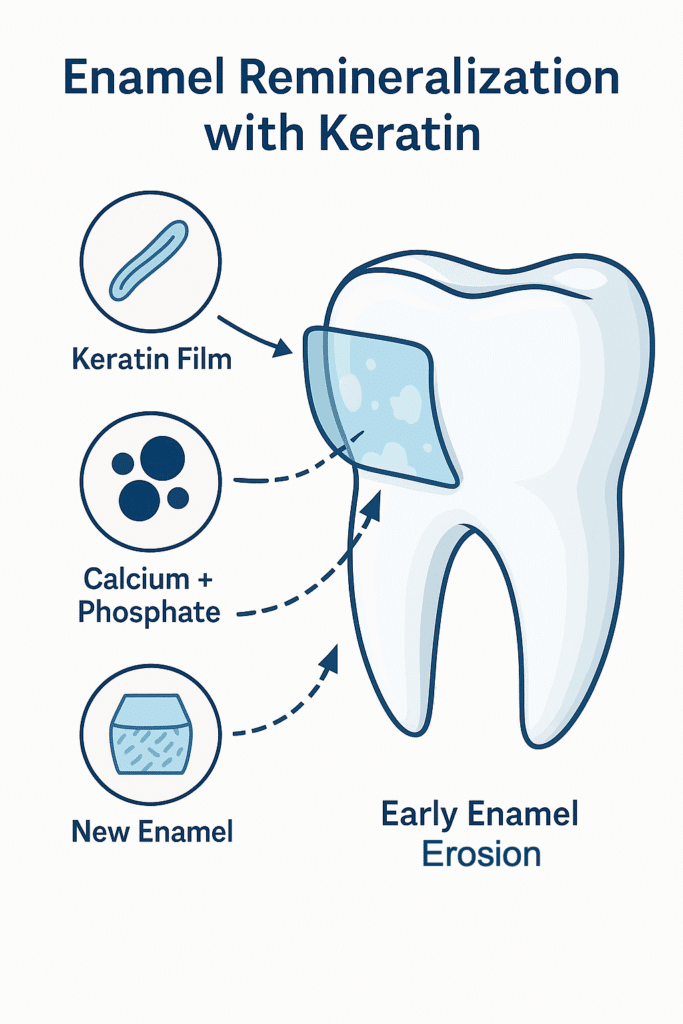
Keratin is the fibrous protein that makes up hair, nails, and the outer layer of skin. When researchers process keratin into thin, water-based films, it forms a delicate network capable of guiding mineral growth. This “support structure,” or scaffold, can help minerals organize in a more natural way.
A recent study published in Advanced Healthcare Materials explored how keratin films behave when exposed to calcium and phosphate ions—the same minerals that create hydroxyapatite, the crystal mineral that gives enamel its hardness. Under microscope analysis, the keratin films provided an orderly framework that encouraged minerals to settle into patterns that closely resemble natural enamel.
Breaking Down the Science in Simple Terms
Healthy enamel is built from tightly packed hydroxyapatite crystals aligned in a very specific pattern. When enamel weakens, these crystals break apart, leaving the surface porous and vulnerable.
The keratin films used in the study acted like a blueprint. Instead of letting minerals clump randomly, the keratin structure guided them to grow in straight, organized layers—much like the original enamel pattern.
Compared to untreated enamel lesions, keratin-supported areas showed:
- stronger structure with greater resistance to wear
- smoother, shinier surfaces
- reduced visibility of white spots
- improved mineral density and uniformity
These improvements suggest that keratin enamel remineralization may enhance natural repair far more effectively than saliva alone.
Study reference: See PubMed summary.
Why This Discovery Matters for Patients
If keratin-based treatments eventually reach dental offices, they may offer a way to repair early enamel damage without drilling. Instead of removing weakened tooth material, dentists might reinforce and rebuild it. This shift could benefit individuals with:
- white spot lesions from early decay
- acid erosion caused by diet, dry mouth, or reflux
- demineralization during orthodontic treatment
- tooth sensitivity from enamel thinning
Keratin enamel remineralization won’t replace fillings, crowns, or traditional treatments—but it may reduce how often patients need them.
How Keratin Compares to Other Remineralizers
Keratin isn’t the only approach to restoring weakened enamel. Other modern strategies include:
- Nano-hydroxyapatite toothpaste – provides particles similar to natural enamel
- CPP-ACP (casein phosphopeptide–amorphous calcium phosphate) – delivers calcium and phosphate in a stabilized form
- Fluoride therapy – hardens enamel and slows mineral loss
- Saliva enhancement – crucial because saliva naturally protects and repairs enamel
The difference is that keratin helps minerals form in an organized pattern, not just accumulate. That means the regenerated enamel may behave more like the original enamel, increasing its durability.
What Dentists Are Watching Next
Researchers are continuing to study how keratin can be refined, strengthened, and incorporated into clinically usable treatments. Key areas of focus include:
- how to apply keratin films directly to tooth surfaces
- whether keratin can be combined with other minerals for faster results
- how durable keratin-based repairs are under chewing forces
- whether consumers could one day use over-the-counter keratin products
While these questions remain, the direction is clear: dentistry is moving toward regenerative repair rather than mechanical removal.
How You Can Strengthen Enamel Right Now
Even though keratin enamel remineralization is still in development, you can support your enamel today by:
- brushing twice daily with nano-hydroxyapatite toothpaste
- limiting acidic drinks like soda, kombucha, and citrus water
- avoiding frequent snacking, which constantly exposes teeth to acid
- drinking water throughout the day, especially if dry mouth is an issue
- seeing your dentist regularly to catch early enamel changes
If you want to explore additional ways to support enamel and whole-body wellness through nutrition, visit ToothWiz Vitamins. For more unique dental science, see Weird Dental Facts.
Looking Ahead
The idea that a protein known for strengthening hair might help repair enamel is surprising—but it reflects how quickly dental science is evolving. As biomimetic materials continue to advance, the future may involve fewer drills, fewer fillings, and more natural tooth preservation.
For now, the key message is this: early enamel damage doesn’t have to be permanent. With breakthroughs like keratin enamel remineralization on the horizon, we are closer than ever to helping teeth heal themselves.
Flossing Before Brushing: 7 Proven Tips for Healthier Gums
by Dr. Richard J. Walicki | Nov 10, 2025 | Dentistry
Why Enamel Health Matters
Your enamel is the hardest substance in the human body, but it isn’t invincible. Learning how to strengthen enamel naturally can make all the difference between a healthy, pain-free smile and costly dental problems later on. Enamel acts as the first line of defense against bacteria, acid, and wear—yet once it’s damaged, it doesn’t regenerate.
Fortunately, nature gives us plenty of tools to maintain and even restore enamel strength through minerals, diet, and everyday habits. Let’s explore exactly how to keep your enamel resilient for years to come.
Understanding Enamel and Its Role
To know how to strengthen enamel naturally, it helps to understand what enamel actually is. This protective shell is 96% mineral—mostly hydroxyapatite crystals—making it incredibly strong but also prone to erosion if exposed to acid or abrasion over time. Because enamel doesn’t contain living cells, once it’s gone, your body can’t replace it.
Did you know? Enamel erosion can begin without pain or visible signs. By the time sensitivity develops, some mineral loss has already occurred.
That’s why daily habits—like smart nutrition, gentle brushing, and regular hydration—are crucial to protect this natural armor before it weakens.
How to Strengthen Enamel Naturally Through Nutrition
When it comes to dental resilience, your diet is the foundation. Certain nutrients help remineralize enamel and neutralize the acids that cause decay.
1. Eat Calcium- and Phosphorus-Rich Foods
These two minerals are enamel’s building blocks. They repair microscopic damage and strengthen your teeth’s outer surface.
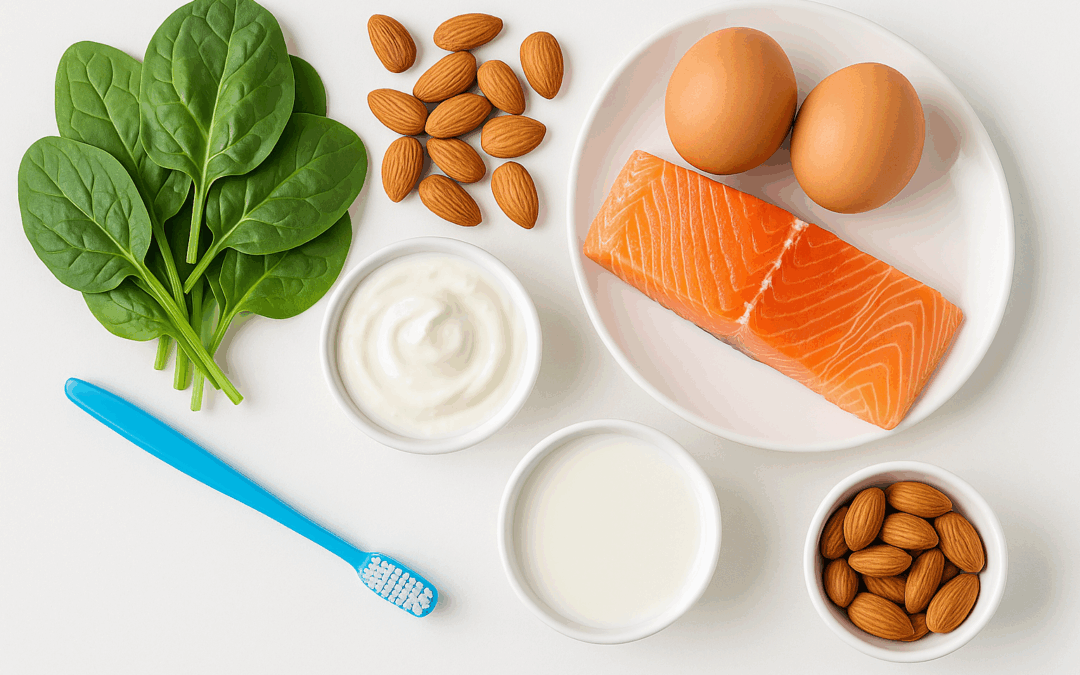
- Dairy Products: Cheese and yogurt help neutralize acid and supply essential minerals.
- Leafy Greens: Spinach, kale, and collards are excellent non-dairy sources of calcium.
- Nuts and Seeds: Almonds and sesame seeds provide minerals and healthy fats.
- Fish: Salmon and sardines with bones add both calcium and phosphorus for enamel repair.
For more on these nutrients, visit the NIH Calcium Fact Sheet.
2. Boost Vitamin D Intake
Vitamin D ensures calcium and phosphorus are absorbed efficiently. Without it, even the healthiest diet won’t help rebuild enamel.
- Spend 10–15 minutes in sunlight each day.
- Include fatty fish such as salmon, tuna, and mackerel.
- Consider a supplement if you live in low-sunlight regions.
Learn more from the NIH Vitamin D Fact Sheet.
Natural Remedies That Protect and Rebuild Enamel
3. Try Oil Pulling and Herbal Rinses
Looking for gentle ways to clean your mouth and strengthen enamel? Herbal rinses and oil pulling can help. Coconut oil pulling, in particular, has been used for centuries to reduce plaque and support gum health.
- Green Tea Rinse: Contains antioxidants that help reduce acid-producing bacteria.
- Coconut Oil: Swish 1 tablespoon for 15–20 minutes daily to minimize plaque buildup.
- Sage or Mint Rinse: Naturally antibacterial and refreshing.
Tip: Replace commercial mouthwashes containing alcohol with herbal or oil-based alternatives to preserve healthy enamel flora.
4. Stay Hydrated to Support Natural Remineralization
Water is your mouth’s natural defense system. It helps produce saliva, which neutralizes acids and carries minerals that rebuild enamel. Without adequate hydration, the mouth becomes dry, acidic, and prone to decay.
- Drink at least eight glasses of water daily.
- Rinse after acidic foods instead of brushing immediately.
- Chew sugar-free gum to stimulate saliva flow.
How Long It Takes to Strengthen Enamel Naturally
Many people ask how long it actually takes to see results from natural enamel care. While everyone’s mouth chemistry is different, small improvements can begin within a few weeks of consistent effort. Visible results—like reduced sensitivity or smoother tooth surfaces—typically appear after one to three months of disciplined care.
Reminder: Strengthening enamel is a long-term process. Think of it like fitness for your teeth—results build over time.
Common Mistakes That Weaken Enamel
- Brushing Too Hard: Aggressive brushing erodes enamel. Use a soft-bristled brush and gentle pressure.
- Frequent Snacking: Constant acid exposure prevents saliva from restoring minerals.
- Overusing Whitening Products: Many whitening agents are abrasive and can thin enamel over time.
- Ignoring Dry Mouth: Saliva protects enamel—address dryness caused by medications or dehydration.
Conclusion: How to Strengthen Enamel Naturally for Life
Now that you understand how to strengthen enamel naturally, you can take daily steps to protect your teeth for life. Choose nutrient-rich foods, stay hydrated, manage stress, and visit your dentist regularly. With time and consistency, these habits can rebuild mineral density, reduce sensitivity, and give you a brighter, more confident smile.
With consistent habits and mindful care, anyone can learn how to strengthen enamel naturally and maintain a healthy, radiant smile for years to come.
Final Thought: You only get one set of enamel—treat it like the precious shield it is. Small daily actions truly add up to lasting oral health.
how to strengthen enamel naturally, strengthen enamel naturally, natural enamel strengthening, enamel protection, enamel care, remineralize teeth naturally, protect tooth enamel naturally, tooth enamel health, how to rebuild enamel naturally
by Dr. Richard J. Walicki | Nov 2, 2025 | Dentistry, Prevention
Most people know they should brush twice a day, but many still wonder when to floss, how often to do it, and whether it really makes a difference. The truth? Flossing before brushing is every bit as important as brushing itself — and consistency matters more than perfection.
1. Flossing Before Brushing: Do This First
When it comes to flossing before brushing, the sequence truly matters. Flossing first helps loosen food particles, plaque, and bacteria from between teeth and under the gumline. Once those areas are cleared, brushing becomes more effective at sweeping away debris and polishing tooth surfaces.
Think of it like prepping before you paint: you wouldn’t apply a fresh coat until you’ve cleaned the surface underneath. That’s why dentists often recommend flossing first as part of your daily routine.
For timing details, see this article on the best time to brush.
2. Floss Daily — Consistency Beats Frequency
Floss at least once a day — every day. Doing it sporadically doesn’t yield noticeable results. Just as you wouldn’t expect fitness results from exercising once in a while, you can’t expect gum health from flossing only when you remember.
Regular, daily flossing makes a tangible difference. And if you enjoy flossing after meals? Even better. The patients I’ve seen who flossed after every meal consistently had the healthiest gums and the fewest dental issues.
3. Brush Twice a Day — or After Meals When You Can
Most experts agree on brushing twice a day — morning and night — but if you can manage to brush after meals, that’s ideal. Realistically, not everyone can, but try to at least rinse with water after eating if brushing isn’t possible.
Learn more about brushing habits at the American Dental Association.
4. Choose String Floss Whenever Possible
Traditional string floss gives you the best control for wrapping around each tooth and cleaning below the gumline. However, I’d rather see you use floss picks than skip flossing entirely. Some floss picks even use more sustainable or gentle materials — just make sure to avoid floss containing “forever chemicals” (PFAS), which have raised health concerns (NIH source).
5. Master the Proper Flossing Technique
Flossing isn’t just about getting between the teeth — it’s about how you do it. This simple technique helps you get the most benefit:
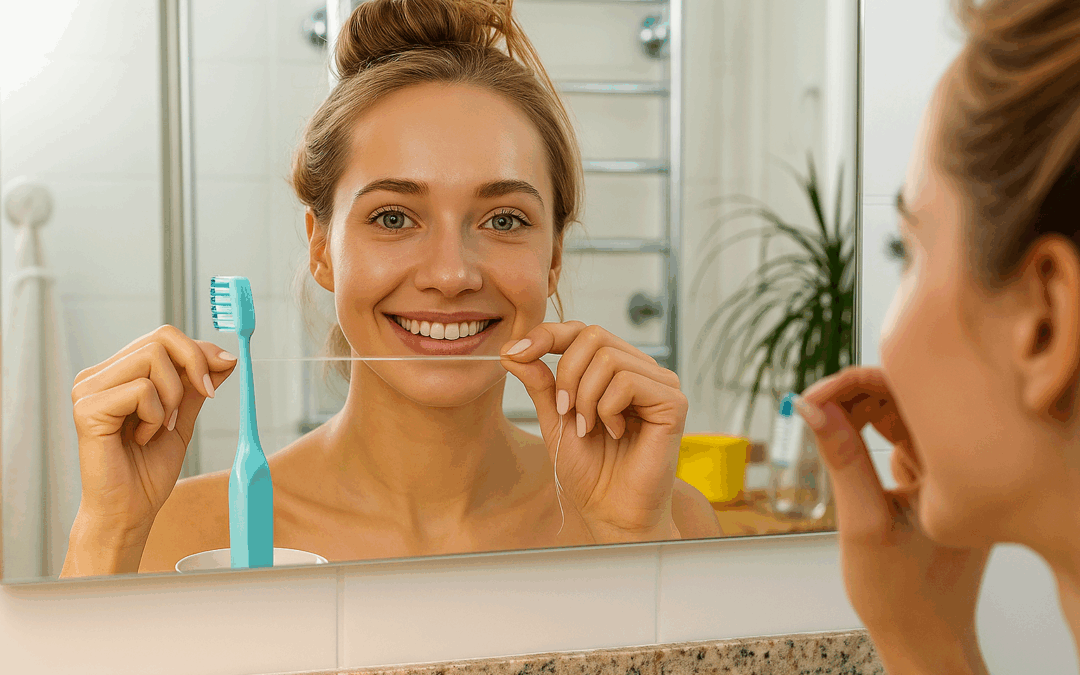
- Measure about 18 inches of floss. Wrap most of it around your middle fingers, leaving about two inches between your hands.
- Hold the floss taut between your thumbs and forefingers for control.
- Gently guide the floss between two teeth — avoid snapping it down, which can cause “floss cuts.” Start gently to prevent accidental cuts, especially if your gums are still unhealthy.
- Curve the floss into a “C” shape around each tooth, sliding it carefully under the gumline.
- Move up and down along the tooth’s surface to remove plaque and debris.
- Use a clean section of floss for each tooth.
6. Expect Bleeding at First — Then Watch It Stop
Many people get freaked out the first time they notice their gums bleeding after flossing and assume the floss is causing the problem. In reality, healthy gums don’t bleed. The bleeding happens because the gums are inflamed — a sign they need more attention, not less. This is one of the main reasons why flossing before brushing can make such a visible difference: it reaches where your toothbrush can’t.
As you make flossing part of your daily routine, you’ll likely notice less and less bleeding each day. Within one to two weeks, most people see a dramatic improvement.
7. Start After a Professional Cleaning for Best Results
If you have heavy or sub-gingival tartar, it’s important to start your routine after a professional cleaning or scaling and root planing (SRP). No matter how diligently you brush, you can’t remove hardened deposits yourself. Once the area is cleaned, flossing before brushing becomes far more effective — and you’ll notice healthier gums within about two weeks.
Bottom Line
Floss first, brush regularly, and stay consistent. Make flossing before brushing your daily habit. Small daily routines lead to lasting results — in dental health, just like exercise, the payoff comes from showing up every day.
For more on maintaining healthy teeth and gums naturally, check out this guide on oral health and nutrient deficiencies.
by Dr. Richard J. Walicki | Oct 27, 2025 | Chemicals and toxins, General Health
The Hidden Dangers of Toxic Perfumes and Health Risks from Everyday Scents
When it comes to toxic perfumes and health, most people never realize how much exposure they have. Walk into almost any store today, and you’re surrounded by fragrance. The air smells like “fresh linen,” “spring rain,” or “mountain breeze.” Even products that don’t need scent — like tissues, detergents, or trash bags — are infused with fragrance chemicals. The question is: what are you really breathing in or rubbing onto your skin?
Many people think of perfume as a luxury — a personal signature that enhances attractiveness or confidence. But behind that enticing scent may lie a mix of industrial chemicals, many derived from petroleum, the same source used to make gasoline and plastics. These substances may contribute to a toxic burden that your body must process, potentially accelerating the very aging processes you’re trying to slow down.
The Shocking Reality: Perfume Ingredients Come from Petroleum
The perfume industry is a multibillion-dollar enterprise, and the cost of raw materials is startlingly low. While some boutique brands use natural essential oils, the vast majority of mainstream perfumes rely on synthetic aromatic compounds derived from petroleum. These chemicals can cost just a few dollars per barrel to produce — yet end up in bottles that sell for $100 or more.
To make things worse, manufacturers are not required to disclose every ingredient on the label. Fragrance formulas are legally protected as “trade secrets,” meaning that hundreds of potential chemicals can be hidden under a single word: “fragrance.”
According to the Environmental Working Group (EWG), fragrance chemicals can contain hundreds of unlisted ingredients, some of which are linked to allergies and hormone disruption. Meanwhile, NIH research has shown that many of these compounds act as endocrine disruptors and oxidative stressors within the body.
Common synthetic fragrance ingredients include:
- Phthalates – used to make scents last longer, but linked to endocrine disruption and reproductive issues.
- Musk ketones – persistent environmental pollutants that accumulate in human tissue.
- Benzene derivatives and aldehydes – associated with headaches, dizziness, and skin irritation.
- Toluene – a solvent known to cause liver and kidney damage in high doses.
When you spritz perfume onto your skin or hair, or inhale it from the air, these compounds don’t just disappear. Your body has to deal with them — just as it would if you had eaten them. That’s where the connection between toxic perfumes and health becomes clear: what you wear, you also absorb.
“If You Put It On, You’re Eating It”
The skin is your largest organ, and it’s permeable. That means that lotions, soaps, and sprays applied to your skin are absorbed into the bloodstream. Dermatologists and toxicologists alike recognize that “what goes on you goes in you.”
The same holds true for airborne exposure. Every time you inhale a fragrance, tiny chemical particles travel into your lungs, enter the bloodstream, and must be metabolized or excreted by your body. The lotion on your hands, the shampoo in your hair, the laundry detergent on your clothes — all of these can be sources of constant, low-level chemical exposure. It’s like eating tiny doses of perfume every day without realizing it.
The Toxic Load and Its Impact on Aging
Your liver, kidneys, and lungs are the primary detoxifying organs, constantly processing what enters your body. When the load of synthetic chemicals becomes too high, these systems can become overburdened. The result? Inflammation, oxidative stress, and cellular damage — all of which are closely tied to premature aging.
Chronic exposure to toxic perfumes and health-disrupting compounds can accelerate oxidative damage, disrupt hormones, and place additional strain on the body’s detox pathways.
Research in environmental medicine increasingly links chronic exposure to synthetic chemicals with issues such as:
- Hormonal imbalance
- Fatigue and brain fog
- Skin irritation and accelerated wrinkling
- Respiratory irritation or asthma
- Headaches and migraines
- Increased oxidative stress and cellular damage
In other words, slathering on scented lotions or spraying perfume may smell glamorous — but it’s not doing your cells any favors. For those focused on anti-aging and longevity, reducing your daily toxic perfumes and health burden is one of the smartest lifestyle moves you can make.

Fragrance Pollution Is Everywhere
The problem extends far beyond perfume bottles. Almost everything on supermarket shelves today is scented:
- Shampoos, conditioners, and soaps
- Body lotions and deodorants
- Air fresheners and candles
- Laundry detergents, dryer sheets, and cleaning products
- Even clothing and packaging materials
The connection between toxic perfumes and health isn’t limited to perfume bottles — it extends to everything we breathe and touch. When a product smells “fresh,” that usually means synthetic fragrance compounds were added — not that it’s clean. In enclosed environments like homes, offices, or cars, these volatile compounds (VOCs) circulate in the air and cling to fabrics, walls, and skin.
Ever noticed how one heavily perfumed person can “fill the room”? That’s because fragrance molecules are designed to linger and spread. Once airborne, they mix with other chemicals and fine particles, forming secondary pollutants — which you and everyone else then inhale.
A Real-Life Example: When “Fresh” Became Overpowering
Several years ago, my wife and I spent Thanksgiving with a close friend whose brother—a physician—owned a beautiful home in North Carolina with a separate guest house. The moment we stepped inside, we were hit with an overwhelming wave of artificial “freshness.” It was so strong that we could hardly breathe. Within minutes, both of us developed headaches, and I joked to my wife that someone must be trying to hide a corpse because the air smelled that unnatural.
Determined to find the source, I started looking around and discovered one plug-in air freshener after another. I pulled out the first, but the smell didn’t fade. Then another. And another. If memory serves, there were at least eight—possibly ten—scattered throughout the house. Even opening the windows in November barely helped. It was a perfect illustration of how “fragrance” can transform from a pleasant accent into an assault on the senses.
Experiences like that bring home the reality of toxic perfumes and health concerns. What we often think of as clean or inviting can actually fill the air with synthetic chemicals that irritate the lungs, trigger headaches, and overload the body’s detox systems. That evening left a lasting impression on both of us—and a firm commitment to keep our own home fragrance-free.
The Aisle-Five Effect
Here’s a vivid way to picture it: imagine a supermarket with perfume or detergent on aisle five and fresh bread on aisle six. The air in that store is shared. Those perfume vapors don’t politely stay in their lane — they drift, and the bread (a porous food) absorbs airborne particles. So even the “unscented” areas aren’t truly fragrance-free.
Now multiply that by every scented household item you own — from “ocean breeze” trash bags to “lavender fresh” dryer sheets — and you start to see how pervasive the issue is. You’re not just smelling it; you’re living in it.
The Problem with “Fragrance-Free” and “Natural” Labels
You might think you’re safe if you buy “fragrance-free” or “unscented” products, but marketing can be deceiving. Some “fragrance-free” products still use masking fragrances to neutralize other smells. Likewise, “natural” doesn’t always mean non-toxic — a product may still contain synthetic fragrance components alongside natural oils.
To identify truly safe options:
- Look for “no synthetic fragrance” on the label.
- Choose products scented only with pure essential oils (and even then, check purity).
- Use unscented detergents and non-toxic cleaning products certified by third-party programs like EWG Verified or Made Safe.
- Avoid plug-in air fresheners and aerosol sprays. Instead, use natural alternatives like open windows, houseplants, or essential oil diffusers.
The Better Smell of Clean Living
Eliminating artificial fragrances doesn’t mean living in a scentless world. Natural alternatives like essential oils — when used safely and sparingly — can add pleasant aromas without the chemical burden. Scents like lavender, citrus, eucalyptus, or peppermint can even have health benefits when diffused or used topically with proper dilution.
Reducing your exposure to toxic perfumes and health stressors gives your body room to regenerate and perform its natural detox processes. However, moderation is key. Even natural substances can cause irritation or allergies in sensitive individuals. The goal is to let your home, skin, and body breathe freely — not to replace one form of chemical overload with another.
A Step Toward Anti-Aging and Total Health
If your goal is longevity, cellular vitality, or slowing the visible signs of aging, reducing your exposure to environmental toxins is crucial. That includes what you breathe, apply, and live among every day.
Just as you might choose clean, nutrient-rich foods to nourish your body, you can choose clean, non-toxic personal care and home products to protect it. Every small choice adds up to less internal stress — and that means fewer free radicals, less inflammation, and a body that ages more gracefully.
For a deeper look at reducing toxin exposure and supporting detox pathways, visit ToothWiz Vitamins for curated wellness products that complement your clean-living lifestyle.
The Bottom Line
The next time you reach for that bottle of “floral fantasy” perfume, remember: it’s not just perfume. It’s a chemical cocktail that your skin absorbs, your lungs inhale, and your liver has to process. The link between toxic perfumes and health outcomes is undeniable. If you wouldn’t eat it, maybe you shouldn’t wear it.
Frequently Asked Questions
Can wearing perfume really affect my oral or respiratory health?
Yes. While perfume is applied to the skin, the vapors are inhaled continuously. Synthetic fragrance molecules can irritate mucous membranes, including those in the mouth, sinuses, and lungs—especially in enclosed spaces. Over time, that exposure can contribute to inflammation or sensitivity in airways.
What are safer alternatives to synthetic perfumes?
Choose natural, essential-oil–based fragrances labeled “no synthetic fragrance.” Even better, opt for minimal or fragrance-free products in detergents, body lotions, and hair care. They reduce cumulative exposure and support overall oral and systemic wellness.
by Dr. Richard J. Walicki | Oct 23, 2025 | Dentistry, Leaky gut
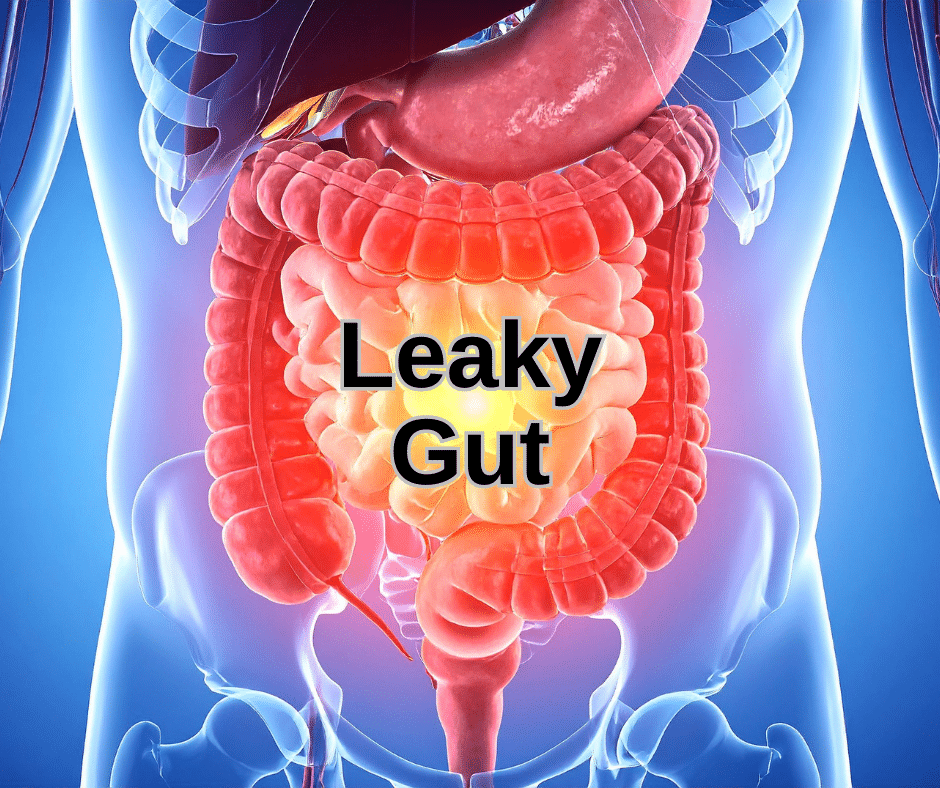
If you’ve ever felt bloated, foggy, or just “off” after eating, your gut may be trying to tell you something. The term “leaky gut” is more than a wellness buzzword — it’s a growing area of research connecting digestive health to everything from mood and energy to inflammation and immunity. Your gut isn’t just where food is digested; it’s also where your immune system, hormones, and even neurotransmitters are finely tuned. When this system gets out of balance, your entire body feels the effects.
What Is Leaky Gut?
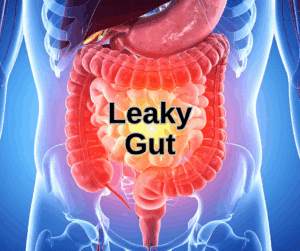
Your intestines are designed to act as a smart filter — allowing nutrients, water, and electrolytes to pass through while blocking toxins and waste. The inner lining of your gut is made up of a single layer of specialized cells called enterocytes. These cells are held together by tight junctions, microscopic gates that open and close selectively. Under normal circumstances, it’s an elegantly efficient system that keeps you healthy and nourished.
But modern life can overwhelm this barrier. Processed foods, chronic stress, medications, and toxins can cause those tight junctions to loosen. When this happens, unwanted substances — bits of undigested food, bacteria, and endotoxins — slip through the gaps and enter the bloodstream. Your immune system immediately reacts as if it’s under attack. This chain reaction is what scientists refer to as increased intestinal permeability, or what’s commonly known as leaky gut.
Once that inflammatory switch is flipped, it can stay “on” indefinitely, showing up in unexpected ways: fatigue, headaches, rashes, low mood, or even joint pain. In other words, your gut’s health is tied to nearly every system in your body.
Common Causes of Leaky Gut
While genetics can make some people more vulnerable, lifestyle factors are the biggest contributors. Here’s what often sets the stage for trouble:
- Poor diet: Highly processed foods, excess sugar, refined carbs, and seed oils damage the gut lining and disrupt the microbiome.
- Chronic stress: Elevated cortisol weakens digestive function and slows repair of the gut wall.
- Sleep deprivation: Sleep is when your body regenerates tissues, including your intestinal lining.
- Medications: Frequent use of antibiotics, NSAIDs, or acid blockers can alter gut flora and irritate the lining.
- Alcohol and smoking: Both increase oxidative stress and inflammation, accelerating barrier breakdown.
- Nutrient deficiencies: Zinc, vitamin D, omega-3s, and antioxidants are crucial for maintaining tight junctions.
- Microbiome imbalance: Too many harmful bacteria and not enough beneficial ones create a perfect storm for permeability.
Even environmental toxins — from pesticides to heavy metals — can chip away at your gut’s defenses over time. The modern world makes it nearly impossible to avoid all of these triggers, which is why proactive support is so valuable.
Symptoms You Might Notice
Because your gut communicates with nearly every system in your body, symptoms of leaky gut can seem unrelated. You might visit multiple specialists before realizing they’re all connected to the same root cause. Here are some of the most common red flags:
- Persistent bloating, gas, or abdominal discomfort
- Irregular bowel movements (constipation or loose stools)
- Food sensitivities or intolerance to foods you once enjoyed
- Brain fog, trouble concentrating, or fatigue after meals
- Skin issues such as acne, eczema, or rosacea
- Joint stiffness or muscle aches without clear injury
- Mood changes, anxiety, or irritability due to gut-brain imbalance
Left unchecked, this low-grade inflammation can set the stage for autoimmune conditions, metabolic dysfunction, and accelerated aging. That’s why addressing gut integrity early can make such a dramatic difference in how you feel day to day.
Healing a Leaky Gut Naturally
The good news is that your gut lining renews itself roughly every five to seven days. With the right nutrition and lifestyle habits, you can begin the repair process quickly. Here’s a practical roadmap:
- Eat clean, whole foods: Focus on vegetables, lean proteins, and healthy fats. Bone broth, garlic, and onions contain natural prebiotics that feed beneficial bacteria.
- Cut down on sugar and alcohol: Both promote growth of harmful bacteria and increase inflammation.
- Support your microbiome: Add fermented foods like yogurt, kefir, kimchi, or sauerkraut, or take a well-formulated probiotic.
- Manage stress: Chronic stress alters gut motility and secretions. Daily mindfulness, light walking, or deep breathing can calm the gut-brain axis.
- Get adequate sleep: Aim for 7–8 hours to allow for cellular regeneration, including the intestinal lining.
- Supplement strategically: L-glutamine supports mucosal repair; zinc carnosine strengthens tight junctions; and Tributyrin provides targeted fuel for the cells that rebuild your gut barrier.
Consistency is key — think of gut healing as a restoration project, not an overnight fix. Each meal and habit either contributes to healing or adds to the damage, so small daily choices add up.
Spotlight: Tributyrin by BodyHealth — The Gut Healer
One of the most advanced tools for gut restoration is Tributyrin, a highly absorbable form of butyrate — a short-chain fatty acid your gut microbes naturally produce when you eat fiber. Butyrate is like fuel for your colon cells; without enough of it, those cells weaken and the gut barrier starts to fail. Tributyrin delivers butyrate deeper into the intestines, where it can do the most good.
🔥 Seals & Heals the Gut Lining
- Stimulates regeneration of the protective mucous layer
- Repairs “tight junctions,” sealing microscopic leaks
- Helps your gut cells generate energy for faster recovery
🧘♀️ Supports Natural Inflammatory Processes
- Encourages a balanced immune response rather than overreaction
- Regulates gene expression linked to cellular repair and detoxification
🌿 Supports Microbiome Balance
- Feeds beneficial bacteria that crowd out harmful strains
- Promotes production of calming neurotransmitters such as GABA and serotonin, explaining why a healthy gut often means a better mood
💪 Promotes Resilient Digestion & Energy
- Reduces occasional bloating and discomfort after meals
- Improves nutrient absorption, so the food you eat actually nourishes you
- Supports steady energy by reducing inflammation-related fatigue
In today’s world of fast food, chronic stress, and environmental toxins, Tributyrin can help restore the foundation of health — your gut lining. It’s also part of BodyHealth’s Gut Support Protocol, a comprehensive system designed to address every layer of gut repair. You can take Tributyrin on its own or combine it with complementary nutrients for even greater results.
💊 Ready to start healing your gut?
Click here to discover Tributyrin by BodyHealth — and start strengthening your gut from the inside out.
Beyond Digestion: The Gut-Brain Connection
Your gut and brain are in constant conversation through what scientists call the gut-brain axis. Signals travel along the vagus nerve and through chemical messengers like serotonin and dopamine — nearly 90% of which are produced in the gut. When your gut is inflamed or imbalanced, it can send “distress” signals that affect mood, focus, and motivation. That’s why improving gut health often leads to clearer thinking and greater emotional stability.
Butyrate, the active component in Tributyrin, plays a key role here as well. It nourishes the gut lining, supports the microbiome, and reduces neuroinflammation — helping you feel not just better physically, but mentally sharper and calmer too.
The Takeaway
Your gut health influences everything — digestion, energy, mood, immunity, and even longevity. By understanding and addressing leaky gut, you give your body the foundation it needs to thrive. Focus on nourishing foods, restorative sleep, stress balance, and targeted supplements like Tributyrin. Over time, you’ll notice smoother digestion, brighter energy, clearer skin, and a lighter mood — all signs your gut barrier is healing.
As an affiliate, I may earn a small commission if you purchase through my link — at no additional cost to you.
Explore Gut Support Supplements on Fullscript |
Harvard Health: The Link Between Gut Health and Overall Wellness