
by Dr. Richard J. Walicki | Aug 21, 2024 | Dentistry
While the stress and oral health connection is widely recognized for its detrimental effects on mental and physical health, its impact on oral health often goes unnoticed. In this post, we’ll explore how stress contributes to several oral health issues, including bruxism (tooth clenching and grinding), gum disease, and canker sores, and provide practical advice for managing these conditions.
The Physiology of Stress and Oral Health
Stress triggers the release of hormones such as cortisol, which can have a profound impact on various body systems, including the mouth. One significant aspect of the stress and oral health connection is the effect of elevated cortisol levels, which exacerbate inflammation, playing a crucial role in gum disease. Understanding this connection is key to addressing and preventing stress-related oral health problems.
Common Stress-Related Oral Health Problems
Bruxism (Teeth Grinding)
- Symptoms and Consequences: Bruxism involves the grinding or clenching of teeth, often unconsciously during sleep. It can lead to tooth wear, increased tooth sensitivity, and jaw pain.
- Management and Treatment: Utilizing night guards can prevent damage from grinding, and techniques such as mindfulness and relaxation exercises can reduce the frequency of bruxism.
- Impact of SSRIs: Interestingly, there has been a notable increase in bruxism associated with the use of SSRIs (selective serotonin reuptake inhibitors), a common class of antidepressants. Over the past 15 years, the widespread use of these medications has coincided with a rise in cases of bruxism. Several pharmaceutical companies acknowledge that SSRIs can exacerbate teeth grinding, which may not only impact oral health but also contribute to higher rates of dental implant failures. This is particularly concerning given studies suggesting that the effectiveness of SSRIs may be comparable to, or worse than, placebos in treating depression. Patients experiencing bruxism linked to SSRI usage should discuss alternative treatments with their healthcare providers to mitigate these side effects.
Gum Disease
- Impact of Stress: Stress weakens the immune system’s response, making it harder to fight off the bacteria that cause gum disease.
- Prevention and Treatment: Regular dental cleanings and good oral hygiene are vital. Stress reduction is also a crucial component of managing gum disease.
Canker Sores and Ulcers
- Triggers and Management: These painful mouth sores can be exacerbated by stress. Maintaining a mild oral hygiene routine and avoiding spicy or acidic foods can help manage discomfort.
Dry Mouth
- Causes and Risks: Stress can reduce saliva production, leading to dry mouth, which increases the risk of dental decay and gum disease.
- Solutions: Staying hydrated, using saliva substitutes, and chewing sugar-free gum can help alleviate dry mouth symptoms.
Preventive Measures and Stress Management Techniques
To mitigate the impact of stress on oral health, it’s essential to adopt comprehensive stress management techniques:
- Exercise Regularly: Physical activity helps reduce stress and its physiological impacts.
- Ensure Adequate Sleep: A good night’s sleep can significantly lower stress levels.
- Practice Relaxation Techniques: Activities like yoga, meditation, and deep breathing exercises can help manage stress effectively.
It’s also crucial to maintain a routine of regular dental check-ups and proper oral hygiene to prevent stress-related oral health issues from worsening.The stress and oral health connection highlights how managing stress through healthy lifestyle choices and regular dental care is essential for maintaining both oral and general health.
Seeking Help
If you find stress overwhelming and it’s affecting your health, consider seeking support from trusted sources like a minister, family member, or friend who can provide guidance and effective stress management strategies without the drawbacks often associated with medications. Consider self-help techniques such as Dianetics.
_______________________
Have you experienced stress-related oral health issues? What strategies have you found helpful in managing them? Share your thoughts and tips on our Facebook page to help others navigate these challenges!
If you’re looking for a supplement to help manage stress, consider trying Stress Guardian. It’s a premier stress support supplement designed to enhance mental clarity, foster a calm and balanced stress response, and promote restful sleep. Key ingredients help maintain healthy immune responses and ensure optimal cognitive function during periods of stress, supporting your overall well-being and contributing to your body’s defense against stress.
Special Offer for My Readers
As we explore ways to manage stress and enhance our overall well-being, it’s important to consider not only the practices but also the products that can support our health journey. One such product that I’ve found beneficial is from BIOptimizers. If you’re looking to improve your digestive health, sleep quality, or just overall resilience against stress, BIOptimizers offers a range of supplements designed to optimize your body’s performance.
Exclusive Discount for My Readers: If you sign up through my special link BIOptimizers, you can enjoy a 10% discount on your purchase. Remember to use the coupon code SAVE10 at checkout. This special offer isn’t available if you purchase directly from the product link, so be sure to use the link provided to take advantage of this deal.
This is a wonderful opportunity to try products that could significantly enhance your quality of life, and I’m thrilled to be able to offer this exclusive benefit to you!

by Dr. Richard J. Walicki | Aug 19, 2024 | Dentistry
Many individuals may encounter terms like “exostosis” and “tori” during their dental visits, leading to questions about what these conditions are, how they differ, and when they might need attention. This blog post aims to demystify these terms, explaining their causes, when they might become an issue, and the available treatment options.
What is an Exostosis and How Does it Differ from Tori?
Exostosis refers to the growth of new bone on the surface of an existing bone. In dentistry, this usually occurs on the jawbone. Tori (singular: torus), on the other hand, are specific types of exostoses that appear in the mouth. They are typically found on the palate (roof of the mouth) or mandible (inside part of the lower jaw).
The key difference between general exostoses and tori is their location. Tori are always in the oral cavity, whereas exostoses can occur on any bone in the body.
Causes of Exostosis and Tori
Both exostosis and tori are generally benign and thought to be caused by several factors:
- Genetics: There’s a strong genetic predisposition to developing tori, suggesting heredity plays a significant role.
- Mechanical Stress: Chewing forces can stimulate bone growth in areas subjected to frequent stress.
- Environmental Factors: Some studies suggest diet and lifestyle may influence their development, though this connection is less clear.
When Exostosis and Tori May Become an Issue
While exostosis and tori are often harmless, they can become problematic in certain situations:
- Interference with Oral Functions: Large growths can interfere with eating, speaking, or maintaining oral hygiene.
- Dental Procedures: They can complicate dental procedures, especially the fitting of dentures or other dental appliances.
Treatment and Management
Surgical Removal: If exostosis or tori cause discomfort or hinder dental treatments, they may need to be surgically removed. This procedure is typically done by an oral surgeon under local anesthesia.
Laser Surgery: In some cases, laser surgery may be employed. This method offers benefits such as reduced bleeding and quicker healing times.
Observation: Many dentists recommend leaving tori alone if they aren’t causing any problems. Regular check-ups are essential to monitor any changes in size or shape that could necessitate intervention.
Exostosis, Tori, and Dentures
For patients needing dentures, exostosis, and tori can present challenges:
- Fit Issues: Tori may interfere with the base of a denture, causing discomfort or improper fit.
- Pre-Denture Surgery: Some patients may require the removal of tori before denture fabrication to ensure a comfortable and effective fit.
_____________________
Exostosis and tori, while typically benign, can impact dental health and treatment plans. Understanding these conditions can help patients make informed decisions about their oral health, particularly when considering treatments like dentures or facing discomfort. Always consult with a dental professional if you suspect you have these conditions or if you’re experiencing discomfort in your mouth.

by Dr. Richard J. Walicki | Aug 16, 2024 | Dentistry
As a dentist, I’m often asked about the role of nutritional supplements in maintaining not just overall health, but specifically oral health. With the abundance of supplements on the market, it’s natural to wonder: do these products really work? Let’s dive into the world of nutritional supplements, their effectiveness, and how they might impact your dental health.
Understanding Nutritional Supplements
Nutritional supplements come in various forms – vitamins, minerals, herbs, amino acids, and enzymes. They’re designed to supplement your diet, providing nutrients that you might not get enough of through food alone. In the context of oral health, supplements like calcium, vitamin D, and vitamin C are often of particular interest.
The Science Behind Supplements
While many supplements are backed by solid scientific research, it’s important to understand that not all supplements are created equal. The effectiveness of a supplement often depends on its bioavailability – how well your body can absorb and use the nutrient.
For example, calcium is crucial for strong teeth and bones, but your body needs vitamin D to absorb calcium effectively. A study published in The BMJ found that vitamin D supplementation was associated with improved overall health outcomes, including a reduced risk of acute respiratory tract infections [1]. While this study didn’t focus specifically on oral health, it demonstrates how supplements can have wide-ranging effects on the body.
When Supplements Can Be Beneficial
Supplements can be particularly useful in cases of nutrient deficiencies. For instance, if you don’t get enough sunlight exposure (which helps your body produce vitamin D), a vitamin D supplement might be beneficial for both your overall health and your oral health.
People with certain health conditions may also benefit from specific supplements. For example, those with osteoporosis might need additional calcium and vitamin D to maintain bone density, which is also important for dental health.
The Limitations of Supplements
It’s crucial to remember that supplements are not a substitute for a healthy diet. Whole foods provide a complex array of nutrients that work together in ways that supplements can’t replicate. Moreover, excessive intake of certain supplements can have negative effects. For instance, too much vitamin C can potentially erode tooth enamel if consumed in the form of chewable tablets.
Choosing the Right Supplements
If you’re considering taking supplements, it’s important to choose high-quality products. Look for supplements that have been third-party tested for purity and potency. And always consult with your healthcare provider or dentist before starting any new supplement regimen, especially if you have underlying health conditions or are taking medications.
Supplements and Oral Health
When it comes to oral health, certain supplements have shown promising results:
- Omega-3 Fatty Acids: While primarily known for heart health benefits [2], omega-3s also have anti-inflammatory properties that may benefit gum health.
- Probiotics: Some studies suggest that certain probiotic strains may help prevent cavities and improve overall oral health [3].
- Vitamin C: Essential for gum health, vitamin C helps in the production of collagen, which is crucial for maintaining healthy gums.
- Calcium and Vitamin D: These work together to strengthen teeth and bones. A study in Nutrients found that magnesium, often paired with calcium supplements, had significant health benefits [4].
Conclusion
While supplements can play a valuable role in maintaining both overall and oral health, they should be used thoughtfully and as part of a broader approach to wellness. A balanced diet, regular dental check-ups, proper oral hygiene, and a healthy lifestyle are the cornerstones of good oral health.
Remember, before adding any supplements to your routine, it’s always best to consult with your dentist or healthcare provider. They can help you determine if you have any nutrient deficiencies and recommend the most appropriate supplements for your individual needs.
Citations: [1] Martineau AR, et al. Vitamin D supplementation to prevent acute respiratory tract infections: systematic review and meta-analysis of individual participant data. BMJ. 2017;356:i6583.
[2] Hu Y, et al. Marine Omega-3 Supplementation and Cardiovascular Disease: An Updated Meta-Analysis of 13 Randomized Controlled Trials Involving 127 477 Participants. J Am Heart Assoc. 2019;8(19):e013543.
[3] Goldenberg JZ, et al. Probiotics for the prevention of Clostridium difficile-associated diarrhea in adults and children. Cochrane Database Syst Rev. 2017;12(12):CD006095.
[4] Dibaba DT, et al. The effect of magnesium supplementation on blood pressure in individuals with insulin resistance, prediabetes, or noncommunicable chronic diseases: a meta-analysis of randomized controlled trials. Am J Clin Nutr. 2017;106(3):921-929.
You can learn more about our curated selection of high-quality vitamins and supplements by clicking HERE.
by Dr. Richard J. Walicki | Aug 14, 2024 | Implant
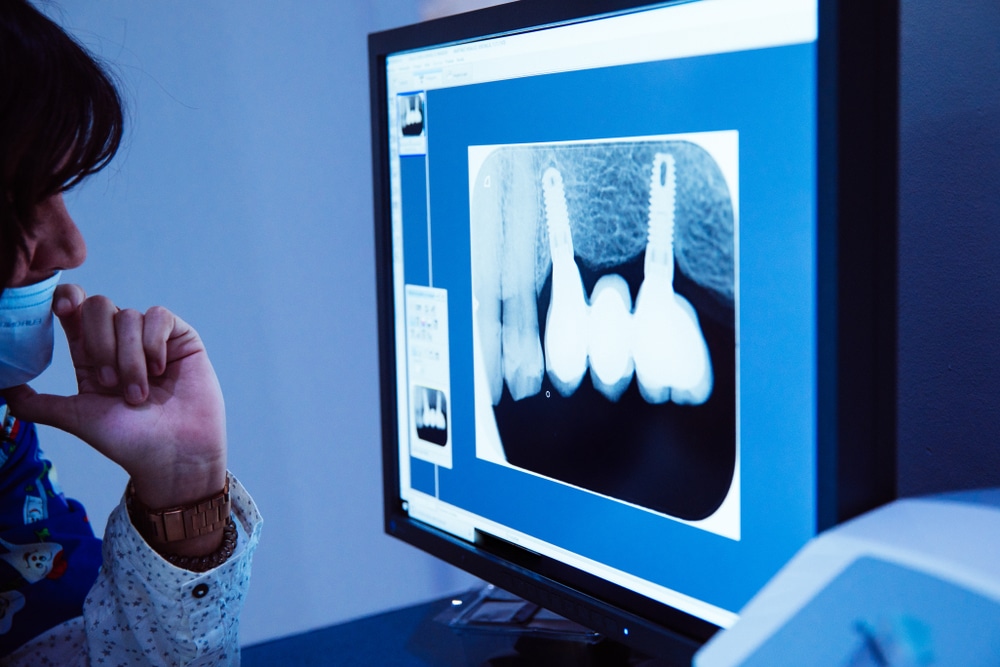
Bone health is a crucial aspect of overall dental care, but its importance goes beyond just supporting our teeth. Both natural teeth and dental implants play significant roles in maintaining jawbone integrity. This blog explores how teeth and implants contribute to bone preservation, discusses the importance of ridge preservation when considering implants, and delves into the procedures and timelines involved in dental implantation.
How Teeth and Implants Preserve Bone
Teeth: Natural teeth are embedded in the jawbone, and each time you chew, they stimulate the bone around them. This mechanical stimulation is critical for maintaining bone density and volume, as it signals the body to continually rebuild and repair the surrounding bone.
Implants: Like natural teeth, dental implants help preserve and stimulate the jawbone. When an implant is placed in the jaw, it acts similarly to a natural tooth root, providing the necessary stimulation to keep the bone intact and healthy. Without this stimulation, the bone area would resorb or shrink over time.
The Importance of Ridge Preservation
When teeth are extracted, it’s vital to consider ridge preservation to maintain bone health and volume. Ridge preservation involves placing a bone graft material into the tooth socket immediately after extraction. This procedure helps prevent the jawbone from collapsing and losing density, which is crucial for future implant placement or even for the aesthetics and functionality of dentures.
Materials Used in Ridge Preservation:
- Autografts: Bone taken from another site in the patient’s own body.
- Allografts: Processed bone obtained from a human donor.
- Xenografts: Bone derived from animal sources, typically bovine.
- Alloplasts: Synthetic bone-like materials.
These materials help support the structure of the jaw and provide a scaffold for new bone growth.
Bone Maturation Process
Bone maturation is a time-consuming process, typically taking several months. The timeline can vary depending on the individual’s health, the location of the graft, and the type of graft material used. Bone in the maxilla (upper jaw) generally takes longer to mature than in the mandible (lower jaw) due to differences in bone density and blood supply.
When to Consider a Sinus Lift
A sinus lift, or sinus augmentation, is necessary when there is insufficient bone height in the upper jaw, or the sinuses are too close to the jaw for implants to be placed. This procedure involves lifting the sinus membrane and placing a bone graft onto the sinus floor, allowing implants to be secured properly.
Guided Tissue Regeneration (GTR)
Guided tissue regeneration is a technique used to encourage the body to grow bone and tissue at an implant site. It involves placing a barrier membrane around the bone graft to protect it from fast-growing soft tissue, ensuring that bone cells have the space and time to proliferate. This technique is essential for successful implant integration.
Timeline and Phases of Dental Implant Procedures
The process of getting a dental implant can take several months to over a year, depending on the healing and bone maturation stages. The extended timeframe ensures that the implant is fully integrated into the bone, providing a stable foundation for the artificial tooth.
Immediate vs. Delayed Implant Placement
Some dentists prefer to place an implant immediately after tooth extraction to reduce the overall treatment time and preserve the bone. Others opt to wait until after a bone graft has matured to ensure the area is sufficiently stable to support the implant. The choice often depends on the specific conditions of the patient’s jawbone and overall dental health.
Using Sites with Existing Teeth for Implants
In cases where the jawbone is overly resorbed, sites that still contain teeth might be considered for implants. These areas can provide better bone quality necessary for successful implantation, especially if other regions are not viable due to severe bone loss.
___________________________
Understanding the complex interplay between bone health and dental treatments is key to maintaining a healthy, functional smile. Whether through natural teeth or implants, preserving jawbone integrity is essential. For anyone considering dental implants, being informed about the procedures, materials, and timelines involved can make the journey smoother and more predictable.

by Dr. Richard J. Walicki | Aug 12, 2024 | Dentistry
Have you ever wondered about the names of teeth and why they sound so unusual? From incisors to wisdom teeth, each tooth in your mouth has a name with a surprisingly logical origin.
These names come from etymology—the study of how words originate and how their meanings evolve over time. Once you understand the reasoning behind them, they stop sounding technical and start making sense.
What Are the Names of Teeth?
The main names of teeth are incisors, canines, premolars, molars, and wisdom teeth. Each name reflects the tooth’s shape, position, or function in the mouth.
Incisors are designed for cutting, canines for gripping, and molars for grinding. These types of teeth and their names are based largely on what they do, not just how they look.
Names of Teeth and What They Mean
Incisors: The Cutters
Etymology: From Latin incidere, meaning “to cut.”
Your front teeth—central and lateral incisors—are named for their primary job. These chisel-shaped teeth are designed to bite into food and cut it into manageable pieces.
Canines: The Grip Teeth
Etymology: From Latin caninus, meaning “of the dog.”
Also known as cuspids, canines are named after the pointed teeth of dogs. In humans, they play an important role in gripping and tearing food.
They’re also sometimes called “eye teeth.” This term comes from the long roots of the upper canines, which extend toward the area beneath the eye socket. Historically, it was believed that problems with these teeth could affect vision. While that isn’t true, the name has persisted.
Premolars: The Transition Teeth
Etymology: From Latin pre- (before) and molaris (millstone).
Premolars sit between the canines and molars. They begin the grinding process, preparing food for further breakdown.
Molars: The Master Grinders
Etymology: From Latin molaris, meaning “millstone.”
Molars are the large teeth at the back of your mouth. Like millstones used to grind grain, they crush and grind food into smaller particles for digestion.
Wisdom Teeth: The Late Arrivals
Wisdom teeth typically emerge between the ages of 17 and 25—historically considered the “age of wisdom.” That timing is what gave them their name.
Interestingly, other cultures have their own terms. In Japanese, they’re called oyashirazu, meaning “unknown to the parents,” since they appear after children leave home.
Milk Teeth: The First Set
Also known as baby teeth or deciduous teeth, “milk teeth” likely get their name from their bright white color and the stage of life when they appear—during breastfeeding.
How Many Types of Teeth Do Adults Have?
Adults typically have 32 teeth, divided into four main types: incisors, canines, premolars, and molars. Each group has a specific role in breaking down food.
Understanding the different types of teeth and their names helps explain how the mouth functions as a coordinated system. When one part is compromised, others often compensate, which can lead to wear or imbalance over time.
Other Common Tooth Terms
- Bicuspids: Another name for premolars, referring to their two cusps.
- Fangs: A more informal term for canines, emphasizing their pointed shape.
Why the Names of Teeth Matter
Understanding the names of teeth does more than satisfy curiosity. It gives you insight into how each tooth functions and how your mouth works as a system.
From the cutting action of incisors to the grinding power of molars, each tooth plays a specific role. When you understand the names, you begin to understand the design.
If you’re interested in how these teeth function under stress, you might also find this helpful: Bruxism Causes: Why Teeth Grinding Is Rarely Just Stress.
For a broader overview of tooth anatomy, the American Dental Association offers a helpful reference.
Once you see the patterns, the names of teeth stop sounding unusual—and start making perfect sense.
Frequently Asked Questions About the Names of Teeth
What are the names of teeth?
The main names of teeth are incisors, canines, premolars, molars, and wisdom teeth. Each type is named based on its shape or function in the mouth.
Why are teeth named incisors, canines, and molars?
The names of teeth come from Latin and describe what each tooth does. Incisors cut, canines grip and tear, and molars grind food.
What is the difference between premolars and molars?
Premolars are smaller and help begin the grinding process, while molars are larger and do most of the heavy grinding and crushing of food.
Why are canines called eye teeth?
Canines are sometimes called eye teeth because their roots extend upward toward the area beneath the eyes. Historically, people believed these teeth were connected to vision, although this is not true.
How many types of teeth do adults have?
Adults typically have four types of teeth: incisors, canines, premolars, and molars. Wisdom teeth are considered a third set of molars that may or may not develop.