Dentists Need to Know Your Supplements

Dentists Need to Know Your Supplements

shutterstock 421421404
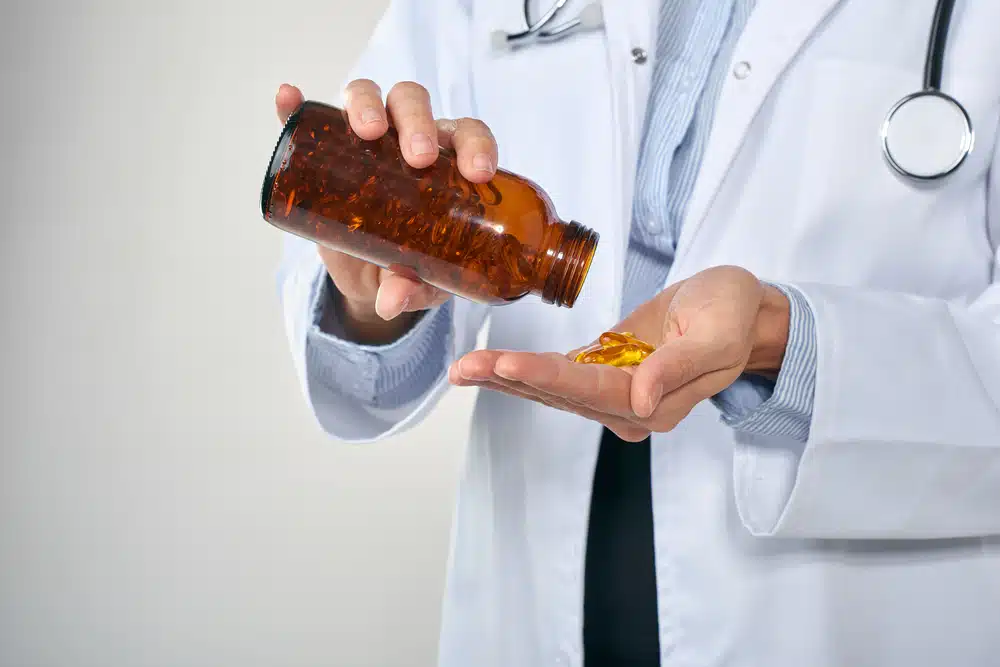
A friend of mine recently sent me the link to this video: Dentists Need to Know Your Supplements, and I found it somewhat timely.

As readers of my blog may know, I have long been an advocate of dietary supplements.  While the ideal form of nutrition is always a healthy diet, today’s food is simply not the nutrient-rich, non-chemically altered, or non-genetically engineered food our grandparents ate.

Why Supplements Require Careful Use

supplementsWhile that might just be a topic for another discussion, I want to point out that whereas supplements have their place, it is always prudent to understand what you are consuming and what potential effects it may produce.  This advice holds equally true for vitamins and herbs as it does for medications.

One of the challenges with supplements is that they are not as strictly regulated as prescription drugs. This means that the concentration of active ingredients can vary between brands, and in some cases, the label may not accurately reflect what is inside the bottle. Quality and dosage matter because even “safe” supplements can have unintended consequences when combined with medications or when taken in excessive amounts. For instance, high doses of vitamin E or fish oil can increase the risk of bleeding, particularly during dental or surgical procedures.

Side Effects of Supplements in Dentistry

While the side-effects of supplements are typically far less dire than those encountered with many common medications, there can be side-effects nonetheless — especially when used in combination with medications.

As dentists, we are particularly interested in knowing what herbal medications a patient takes that may cause drowsiness, excessive bleeding, cardiovascular problems or that interfere with other drugs.

Supplements That May Interact with Medications

Here are a few examples:

  • St. John’s Wort, used as a mood enhancer, can interfere with the effectiveness of many heart and blood pressure medications, as well as blood thinners.  On the other hand, garlic, ginseng, ginger, chamomile and gingko, to name a few, can cause bleeding after surgery.
  • A patient given sedatives by a dentist or oral surgeon before surgery who is also taking Valerian root and kava may experience an interaction that causes excessive drowsiness.
  • Ginseng has been associated with an increased chance of arrhythmias (irregular heart beats.  Patients who take ginseng and also get a local anesthetic with epinephrine (commonly used for fillings and many other dental procedures) may be putting themselves at risk for cardiovascular complications.
  • Echinacea, while it is widely considered to be an immune system enhancer, may inhibit wound healing and increase the risk of post-surgical infection.

    Why Communication About Supplements Matters

This list is by no means exhaustive, and the simple message here is just because an herbal remedy is considered “natural” doesn’t mean you should neglect to inform your dentist that you are taking them.  Neither he nor you want to risk negative effects or complications that can come about as a result of interactions.

doctor and patient discuss supplementsMore likely than not, your doctor will simply ask you to stop taking a particular supplement before surgery or modify the anesthesia accordingly.

Good communication is the key.

Don’t Forget “Everyday” Supplements and Medications

Here is another example of this point.  Not uncommonly, patients take “baby aspirin” as a blood thinner.  Of course, this is not an herb, but many people feel it is not worth mentioning because it is just a “baby” aspirin.  That is, until they fail to stop bleeding after an extraction.

You should always be sure to tell your doctor about ALL of the substances you are taking, including prescriptions and over-the-counter drugs.  Even doctors aren’t always fully aware of every potential interaction between herbs and drugs, as new drugs are constantly being developed and introduced into the market.  It is in your best interest to let your doctor “know before you go.”

Oral Bacteria and General Health

Oral Bacteria and General Health

Did you know that there are way more bacteria in your mouth than there are people on the planet? By some estimates: 120 BILLION bacteria can grow in 24 hours!

That’s really a lot of bugs!Bacteria

Germophobes might get a little skittish reading this, so it may make you feel better to know that most of them are harmless.

Typically, the body’s natural defenses and good oral health care — such as daily brushing and flossing — can keep these bacteria in check. However, without proper oral hygiene, bacteria can reach levels that might lead to oral infections, such as tooth decay and gum disease.  After more than twenty years of practice I have also observed that oral health can act as a window to your overall health.

For example, your oral health might be affected by, may itself affect, or may contribute to, various diseases and conditions — including:

  • Cardiovascular disease. Some research suggests that heart disease, clogged arteries and stroke might be linked to the inflammation and infections that oral bacteria can cause.
  • Endocarditis. Endocarditis is an infection of the inner lining of your heart (endocardium). Endocarditis typically occurs when bacteria or other germs from another part of your body, such as your mouth, spread through your bloodstream and attach to damaged areas in your heart.
  • Pregnancy and birth. Periodontitis has been linked to premature birth and low birth weight.
  • Diabetes. Diabetes reduces the body’s resistance to infection — putting the gums at risk. Gum disease appears to be more frequent and severe among people who have diabetes. Research shows that people who have gum disease have a harder time controlling their blood sugar levels.
  • Osteoporosis. Osteoporosis — which causes bones to become weak and brittle — might be linked with periodontal bone loss and tooth loss.
  • HIV/AIDS. Oral problems, such as painful mucosal lesions, are common in people who have HIV/AIDS.
  • Alzheimer’s disease. Tooth loss before age 35 might be a risk factor for Alzheimer’s disease.
  • Other conditions. Other conditions that might be linked to oral health include Sjogren’s syndrome — an immune system disorder that causes dry mouth — and eating disorders.

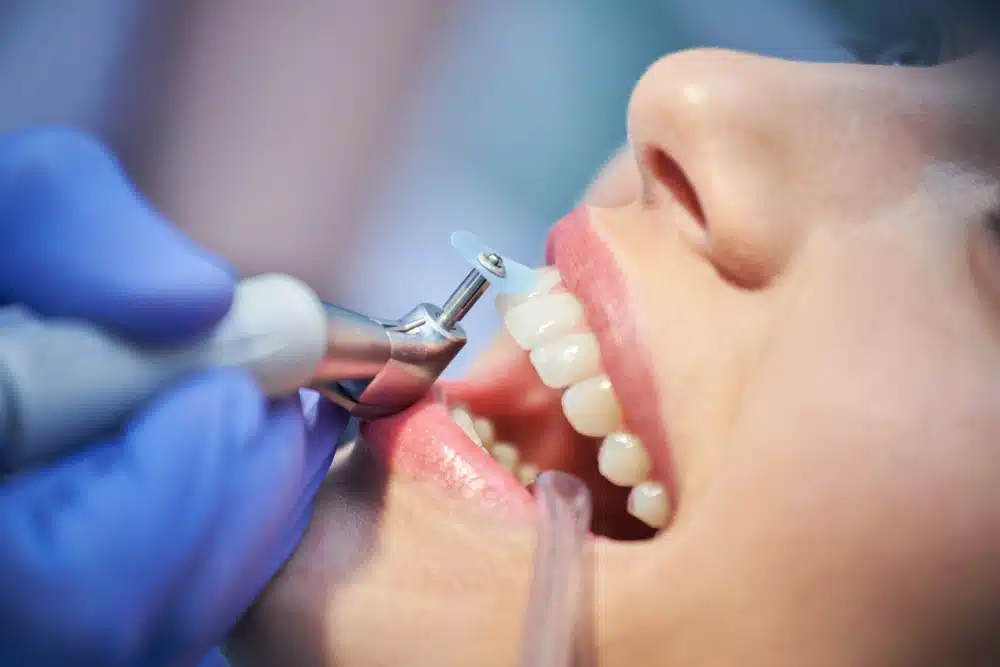
Good HealthBecause bacteria can proliferate as quickly as they do, we now provide our patients with a way to minimize bacterial risks during their cleaning appointments.  We have the ability to use a laser decontamination process that dramatically reduces bacterial levels in your gum pockets painlessly, without the need for anesthesia, and in as little time as 5 to 10 minutes.  Better still, the lowered bacterial levels are expected to continue for six to eight weeks.

Unfortunately, dental insurance still tends to be a little behind the times in terms of their coverage for the procedure.  We have kept the cost low, however, in order that most patients can benefit from this exciting new technology.  You can read more about it by clicking HERE.

Do You Have a Spare? (Denture)

Do You Have a Spare? (Denture)

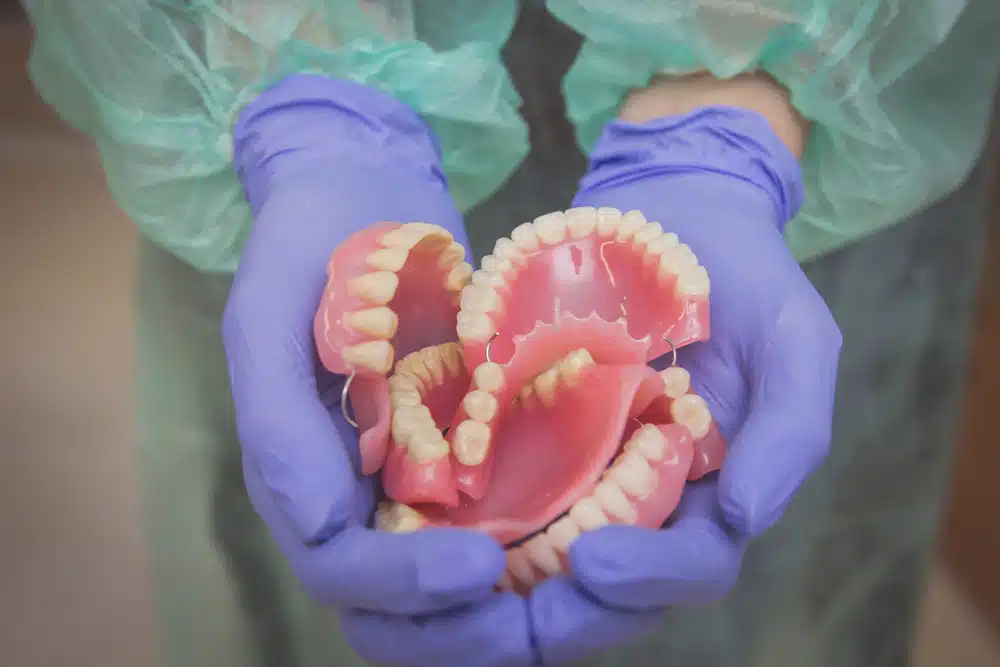
Very often the ideas that I have for articles in this blog come from real-life experiences in my dental practice. One of the things that caught my attention most recently was the prevalence of patients who come in for emergency treatment of broken dentures (typically rather old dentures) and who only have the single set to work with.

Now this creates a real problem for them because it is difficult to go out in public without teeth. People at work who may not know they wear dentures will suddenly become acutely aware of the fact. This can create considerable embarrassment and, even for a retiree, is often enough to prevent attendance at important milestone events such as a graduations, weddings, or anniversaries.Embarrassed

Some repairs can be handled quickly and relatively easily in the office, whereas others have to be sent to a dental laboratory. Depending upon the severity of the problem, that can take time: days, or even up to a week with certain types of dentures.

If you don’t wear dentures, this post may not appear to have anything to do with you. That is, until your mother, father, or grandparent call you in a panic, reporting they just dropped and broke their denture. (Or lost it.) You may find yourself pressed to leave work to bring them to the dentist’s office.

While it may be easy to say that every denture wearer should have a spare set, I understand the economics of the situation. Since I started practice some 20+ years ago, I have seen the cost of producing dentures nearly triple. Nevertheless, there are still many good reasons to think about having a spare set made.

Very often, when making a new denture, your doctor can manufacture a spare set at a reduced cost because he does not have to do the work twice. Similarly, an “economy” version can sometimes be produced by the laboratory which can make a duplicate of your existing denture. It may not be as cosmetic or “perfect” as the original, but it sure is nice to have something to go out and eat with while your main set is being repaired.

And sure, a denture costs more than your average article of clothing — but can you imagine having only one set of pants?! How do you even go out to buy another if you lose it? I suspect that even people who wear hair-pieces have back-ups. They may not want to go out in public without hair, but at least they can still eat.

If you or a loved one only have one denture, seriously consider a spare. And if the denture is older than seven years, it is a good idea to think about a new one. (For more information about why this is recommended check out another one of our blog posts on the subject.) No one needs the stress or embarrassment caused by having to be without teeth.

Don’t Bother Flossing

Don’t Bother Flossing

shutterstock 470059121

What?! Is the sky falling? What dentist would dare utter such blasphemy!

Stick with me for a moment. You may learn something about flossing.

Here are the facts as I see them after more than twenty years in dental practice:

Most patients don’t floss.
Most patients don’t like to floss.
Most patients won’t floss even if you explain the benefits of flossing at every checkup visit for ten years.
Most patients are convinced flossing makes their gums bleed and is uncomfortable to do.
Most patients will tell you they floss, but “probably not as much as I should.”
So really, why bother?

Another observation I have made about flossing regards what people think flossing is. I will sometimes hand a patient a piece of floss and ask them to show me how they floss.  Without exception, I have seen patients pass the floss between their teeth and then pop it back out.

That sounds right, doesn’t it? Special effects department please sound the buzzer. That’s not flossing.

Add to this the fact that most patients will only perform this routine once in a while. If you call that “flossing” I say don’t lose sleep over the fact that you are not flossing regularly. That can be effective at pulling food out from in between your teeth, though, so feel free to do so. But if that’s not flossing, just what is it, really?

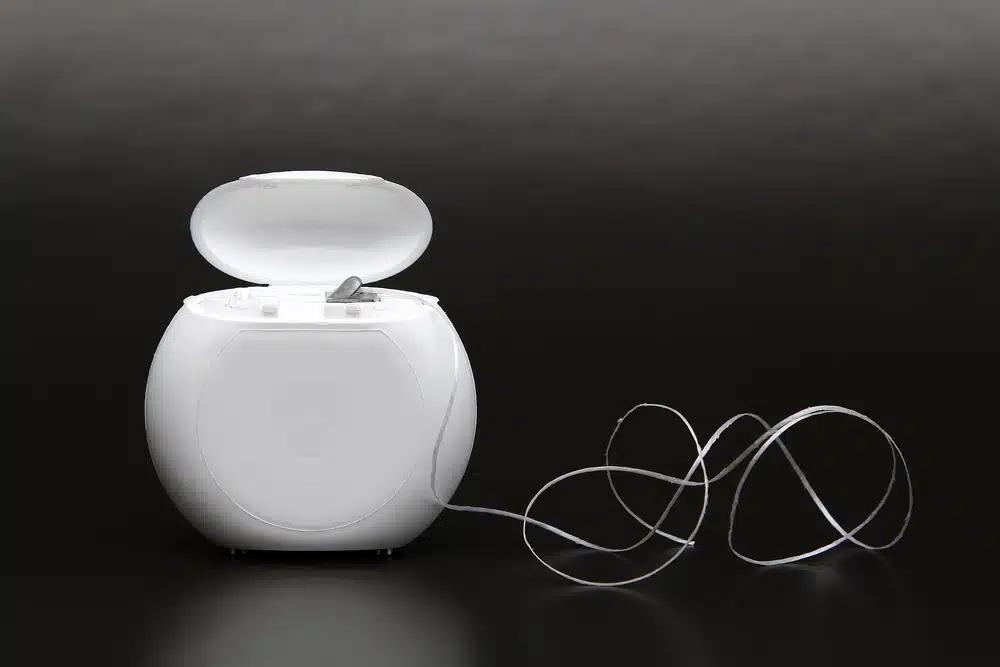
Flossing is the action of taking a length of floss – either the conventional “string” kind or pre-threaded on a fork-like device – and then passing it between your teeth while holding it in a “C-shape” against the side of the tooth. You then take the floss and rub the edge of the tooth, sliding it all the way under the gum-line in an up and down motion. How often can one do this? After every meal would not be too much. But if people did this at least once a day, the average case would see dramatic results after an average of two weeks of daily flossing.

If you haven’t been flossing regularly here is what you can expect: your gums will bleed when you start to floss. It is also likely to be a little uncomfortable at first. But over time, the bleeding should stop. If you haven’t had a dental checkup and cleaning for a while, it is a good idea to do so this first. Flossing against existing tartar will be an unending battle. Once the teeth are clean, however, daily flossing will usually result in pink, firm and healthy gums that don’t bleed. Other benefits? Fresher breath and reduced inflammation – which also means a lowered chance of heart attack and stroke.

If you only floss once in a while, though, inflamed gums will likely never get up to a point where the occasional activity makes any difference. So, if you don’t make it a discipline, why bother? But if you would like healthy teeth and gums for a lifetime, start flossing today!


Protect Your Smile: The Effects of Soda on Teeth

Protect Your Smile: The Effects of Soda on Teeth

Effects of Soda on Teeth: Why You Should Save Your Smile

Do you ever stop to think about what happens every time you drink a soda? Many people don’t realize how damaging these sugary, acidic drinks are to their teeth—and the rest of their health. At your last dental checkup, did you find yourself sinking lower in the chair as cavity after cavity was found? If so, it’s time to ask yourself: how much soda are you drinking? The effects of soda on teeth are both immediate and long-term, and they’re more harmful than you might imagine.

Illustration showing the effects of soda on teeth by demonstrating its sugar content

Sugar and Acid: A Double Threat

Some of the worst cases of dental decay I’ve seen involve sodas and sweetened iced teas. A single 12 oz. can of soda contains roughly 12 teaspoons of sugar—basically liquid sugar! Read ingredient labels carefully for added syrups, concentrates, or high fructose corn syrup (HFCS)—they all spell trouble for your teeth. According to the CDC, most Americans still consume far too many sugar-sweetened drinks, significantly increasing their risk of tooth decay.

Imagine watching someone stir 12 teaspoons of sugar into one cup of coffee—you’d be horrified! Yet most people drink cans, bottles, or even liters of soda daily without a second thought. The sugar feeds harmful bacteria in your mouth, producing acids that erode enamel and create the perfect conditions for cavities.

How Soda Causes Cavities Step-by-Step

The process is surprisingly fast. First, sugar in soda feeds bacteria that naturally live in your mouth. These bacteria produce acid as a byproduct. Combine that with the already acidic nature of soda itself, and you’re essentially giving your teeth a continuous acid bath. Over time, the enamel weakens, leading to cavities, sensitivity, and tooth decay. Even sugar-free sodas can cause enamel erosion because of their high acidity. The American Dental Association warns that frequent soda consumption dramatically increases your risk of long-term enamel loss.

The Acid Bath You Didn’t Expect

Sugar isn’t the only villain. Soda is so acidic that it can loosen rusty bolts or clean battery terminals—imagine that on your tooth enamel! This acid eats away at the protective outer layer, making your teeth more vulnerable to decay. Once enamel is gone, it doesn’t grow back. These effects of soda on teeth can happen faster than you think.

Beyond Your Mouth: Whole-Body Effects

Reducing soda benefits more than just your teeth. Frequent soda consumption has been linked to diabetes, kidney stones, osteoporosis, and even low potassium levels, which can lead to muscle weakness. Your body—and your dentist—will thank you when you swap soda for healthier alternatives.

What to Do Instead

If giving up soda feels difficult, start by cutting back slowly. Replace one soda a day with water, unsweetened sparkling water, or herbal tea. If you need help breaking the sugar habit, talk to your doctor or dentist. There are many ways to transition away from these harmful drinks while still enjoying refreshing beverages.

FAQ About Soda and Teeth

Does soda cause permanent damage to teeth? Yes, once enamel is eroded by the acids in soda, it cannot regrow. This makes teeth more prone to cavities and sensitivity.

Is diet soda safer for your teeth? Not really. While diet sodas lack sugar, they are still highly acidic and can erode enamel over time. Water and unsweetened alternatives are far better choices.

How quickly can soda damage teeth? Enamel softening can begin within just 20 minutes of exposure to soda. Sipping it throughout the day keeps your teeth under constant attack. This is one reason why the effects of soda on teeth are so harmful over time.

Key Takeaway

Cutting back on soda—or better yet, eliminating it—may be one of the best steps you can take for your oral and overall health. The effects of soda on teeth are well-documented: enamel erosion, cavities, and long-term dental problems. Don’t let this common habit rob you of your smile.

For more tips on protecting your teeth, visit our ToothWiz Blog page.