by Dr. Richard J. Walicki | Jun 24, 2025 | Dentistry, blood sugar, Nutrition, Supplements
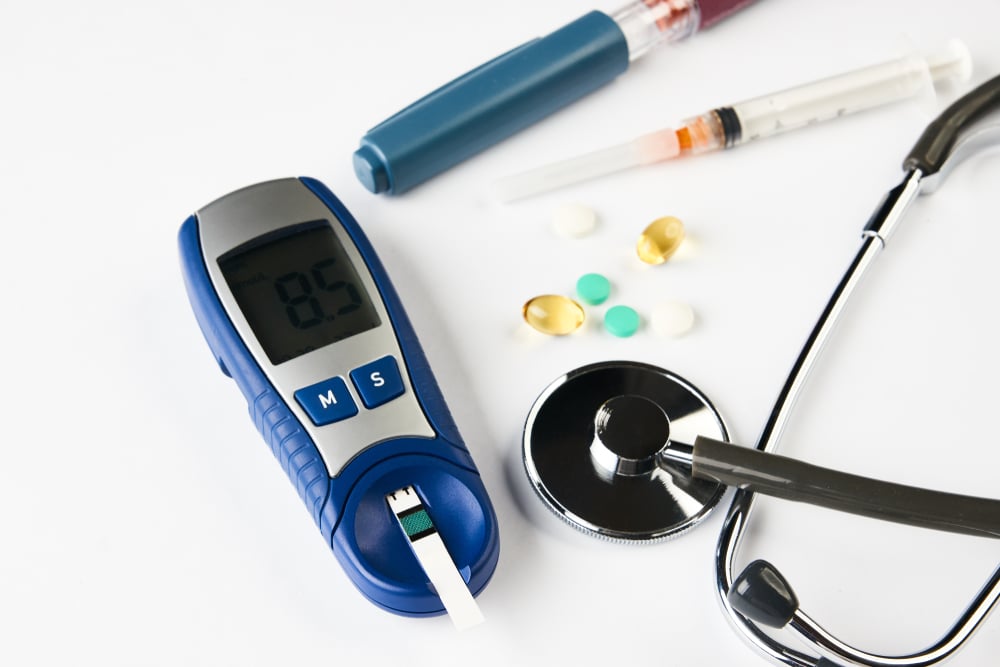
If you’re already cutting out sugar, refined carbs, and using intermittent fasting—great news: you’re on the right track. But if your blood sugar is still in the prediabetic range, the right supplements to lower blood sugar can give you extra support.
Check with Your Healthcare Provider First
Before starting any supplements to lower blood sugar, it’s important to talk with your healthcare provider—especially if you’re already taking prescription medications like metformin or insulin. Because these blood sugar-lowering supplements can significantly impact glucose levels, they may interact with medications or underlying health issues. A doctor or functional medicine provider can help you personalize a plan based on lab results and long-term goals.
Quick Summary: If you’re managing prediabetes or insulin resistance, certain supplements to lower blood sugar—like berberine, magnesium, and alpha-lipoic acid—can help regulate glucose naturally. In this guide, we cover 7 proven options that support a healthy lifestyle.
In this article, we’ll explore seven of the most effective supplements to lower blood sugar, all of which can support your healthy diet and lifestyle habits.
1. Berberine
How it helps: Berberine activates AMPK—an enzyme involved in glucose and fat metabolism. It works similarly to metformin, reducing liver glucose production and improving insulin sensitivity.
Suggested dose: 500 mg 2–3x per day before meals
Watch for: May cause GI upset in some. Avoid long-term use without breaks to protect gut microbiota.
2. Magnesium (Glycinate or Citrate)
How it helps: Magnesium is essential for insulin function. Deficiency is common in people with insulin resistance.
Suggested dose: 200–400 mg/day
Learn more: NIH Magnesium Fact Sheet
3. Alpha-Lipoic Acid (ALA)
How it helps: A powerful antioxidant that improves glucose uptake and supports nerve health, particularly in diabetic neuropathy.
Suggested dose: 300–600 mg/day
Watch for: May cause low blood sugar if taken with other glucose-lowering supplements or medications.
4. Ceylon Cinnamon
How it helps: Ceylon cinnamon can lower fasting glucose by improving insulin receptor sensitivity and slowing carbohydrate absorption.
Suggested dose: 500–1,000 mg/day (or 1–2 tsp of powder)
Note: Choose Ceylon cinnamon over Cassia to avoid liver-toxic coumarin.
5. Chromium Picolinate
How it helps: Chromium improves the transport of glucose into cells, especially in people with insulin resistance.
Suggested dose: 200–600 mcg/day
Evidence: Cleveland Clinic on chromium and blood sugar
6. Inositol (Myo-Inositol or D-Chiro-Inositol)
How it helps: Enhances insulin signaling and reduces post-meal glucose spikes. Especially useful in women with insulin resistance or PCOS.
Suggested dose: 2–4 grams/day
7. Gymnema Sylvestre
How it helps: May help reduce sugar cravings and support pancreatic beta cell function. Used in traditional medicine to lower A1c.
Suggested dose: 200–400 mg/day
Often found in combination with other herbs in blood sugar support formulas.

Putting It All Together
Here’s a sample supplement strategy featuring some of the most effective supplements to lower blood sugar—ideal for complementing your fasting and low-carb lifestyle:
- Morning: Berberine + Magnesium
- Midday: Chromium + Ceylon Cinnamon
- Evening: ALA + Apple Cider Vinegar (as you’re already doing)
Monitor, Adjust, and Personalize
Supplements to lower blood sugar can enhance results, but they work best when you track your progress. If you’re using any of these long term, consider monitoring:
- Fasting glucose and A1c
- Fasting insulin or HOMA-IR
- Magnesium and chromium levels (if available)
Keeping a food and supplement journal alongside your blood sugar readings can reveal helpful patterns and guide adjustments. Over time, small changes can lead to big improvements.
💡 Tip: Supplements to lower blood sugar work best as part of a complete plan. Pair them with regular movement, restorative sleep, and a consistent low-glycemic diet for best results.
Looking for High-Quality Supplements?
Check out our ToothWiz Vitamins Dispensary for professional-grade supplements you can trust.
You may also enjoy our post on oral signs of nutritional deficiencies—your mouth might be telling you more than you think!
Bottom line: With the right combination of lifestyle changes and targeted supplementation, many people can reverse early blood sugar problems before they ever become chronic.

by Dr. Richard J. Walicki | Jun 21, 2025 | Dentistry
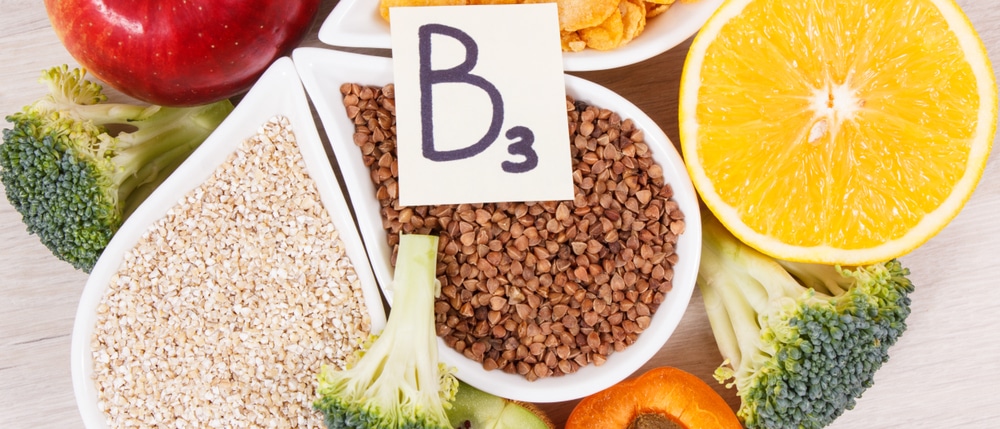
Niacin and cholesterol have been closely linked for decades, with vitamin B3 often promoted for its potential heart health benefits—especially its ability to improve cholesterol numbers. But not everyone benefits equally, and in some cases, it may do more harm than good. If you’re considering niacin for cholesterol support, here’s what you need to know first.
How Niacin Affects Cholesterol
In high doses, niacin can positively impact lipid profiles. It has been shown to:
- Lower LDL (“bad”) cholesterol
- Lower triglycerides
- Raise HDL (“good”) cholesterol—often more effectively than other treatments
These effects help explain the long-standing interest in the link between niacin and cholesterol, especially in cardiovascular research. Some studies have shown HDL increases of 15–35% with therapeutic niacin dosing [Cleveland Clinic].
But Niacin Isn’t for Everyone
To achieve cholesterol-lowering effects, niacin must be taken in doses far beyond the daily recommended intake. We’re talking about 1,000–2,000 mg per day—well above the 14–16 mg usually needed for basic metabolic functions.
At these levels, side effects become more likely and potentially more serious.
1. Elevated Liver Enzymes
Extended-release forms of niacin are more likely to affect the liver. Prolonged use can lead to elevated liver enzymes, inflammation, or even liver damage. The NIH Office of Dietary Supplements warns that liver function must be monitored regularly during high-dose niacin therapy.
2. Increased Risk of Gout
Niacin can raise uric acid levels by interfering with kidney excretion, increasing the risk of gout flare-ups. If you have a history of gout or elevated uric acid, niacin may not be the right choice for you..
3. The Flushing Effect—Misunderstood?
Niacin flushing—a warm, red sensation often felt on the face and upper body—is one of the most well-known side effects. But contrary to popular belief, it’s not dangerous and may actually indicate a healthy vascular response. Flushing is caused by prostaglandin D2, which dilates blood vessels and increases circulation.
Some experts argue that this natural vasodilation may be beneficial. Non-flushing forms of niacin, such as inositol hexanicotinate, often don’t show the same cholesterol benefits.
Pro tip: Gradually increasing your dose can help minimize flushing. Begin with a low dose—around 50 to 100 mg daily—and continue at that level until flushing subsides. Once your body adjusts and the flush response diminishes, slowly increase the dose in small increments. Only move to the next dose level after the previous one no longer causes noticeable flushing.

When Niacin May Be Helpful
While its popularity has declined in recent years, niacin and cholesterol remain closely tied in certain clinical cases. Niacin might still be useful for:
- Individuals who are statin-intolerant
- People with very low HDL and high triglycerides
- Certain metabolic cases under physician supervision
However, large clinical trials like AIM-HIGH and HPS2-THRIVE have shown minimal added benefit when niacin is used alongside statins—and a higher risk of side effects. So its use should be considered carefully.
When to Avoid Niacin
- People with liver disease
- Anyone with a history of gout
- Individuals with insulin resistance or type 2 diabetes (as niacin may worsen blood sugar control)
- Patients already on statins or fibrates, due to increased liver and muscle risk
⚠️ Important for People with Diabetes:
High-dose niacin may raise blood sugar levels by reducing insulin sensitivity and increasing glucose production in the liver.If you have type 2 diabetes or prediabetes, talk to your doctor before starting niacin. Blood sugar may need to be monitored and medications adjusted.
Smart Supplementing Starts with Knowledge
Niacin is a powerful nutrient—but not without its drawbacks. If you’re considering using it for cholesterol management, consult your doctor and monitor your liver health closely.
Looking for safer supplement options tailored to your needs? Visit our ToothWiz Vitamins Dispensary for high-quality, professional-grade products.
You may also enjoy our post on oral signs of nutritional deficiencies—another important clue into your body’s health needs.
Bottom line: When it comes to niacin and cholesterol, more isn’t always better—and sometimes less is safer.
by Dr. Richard J. Walicki | Jun 18, 2025 | Dentistry
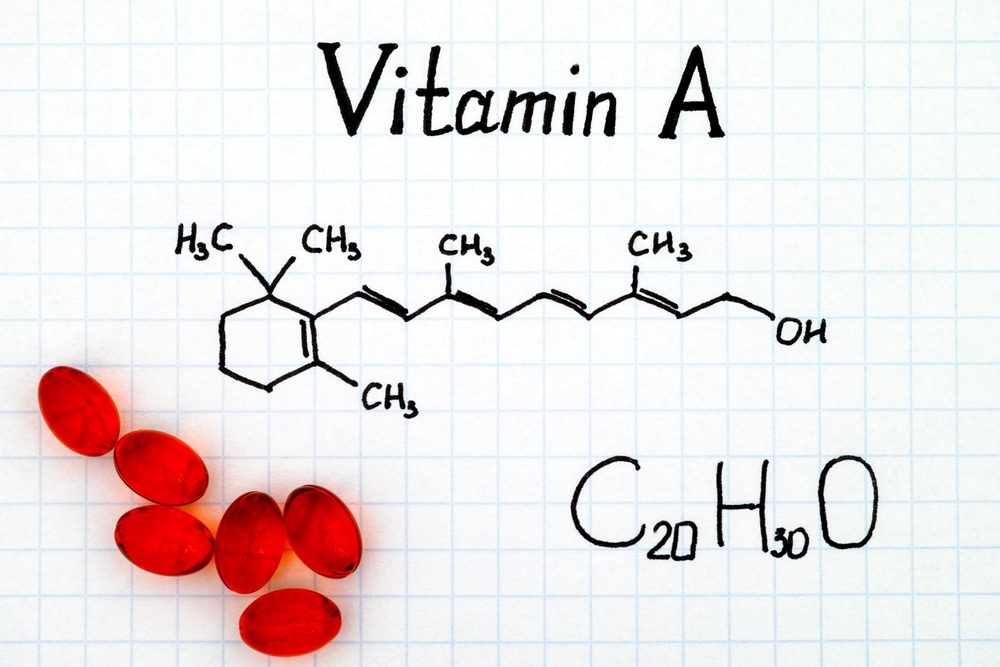
As we age, our nutritional needs shift. While many supplements offer benefits, some may do more harm than good. One of the most overlooked concerns? Vitamin A supplements over age 50.
Are Vitamin A Supplements Over 50 Risky?
Preformed vitamin A—like retinol and retinyl palmitate—is fat-soluble and stored in the liver. In older adults, this form can accumulate over time, increasing the risk of toxicity. Side effects may include:
- Headaches and dizziness
- Fatigue, nausea, and blurred vision
- Dry skin and hair loss
- Bone weakening and increased fracture risk
According to the NIH Office of Dietary Supplements, too much preformed vitamin A is especially concerning for people over 50 due to decreased liver and kidney efficiency.
Vitamin A Forms: Preformed vs. Provitamin A
Preformed vitamin A is found in animal-based foods and many supplements. It’s absorbed quickly and can lead to overdosing if combined with fortified foods or multivitamins.
Provitamin A carotenoids (like beta-carotene in carrots or spinach) are safer. Your body converts only what it needs, reducing toxicity risk. The Healthline guide on vitamin A confirms that plant-based sources are ideal for older adults.
Safe Vitamin A Intake for Adults Over 50
- U.S. Tolerable Upper Limit: 3,000 µg RAE (around 10,000 IU/day)
- UK Guidelines: Suggest no more than 1,500 µg/day for adults over 50 due to bone fragility concerns
Keep in mind: many cod liver oils, multivitamins, and fortified cereals may contain more than you realize. Always add up your total daily intake.
Practical Tips to Stay Safe
- Skip supplements with retinol or retinyl palmitate
- Focus on colorful fruits and veggies—carrots, kale, sweet potatoes
- Check supplement labels carefully
- Opt for beta-carotene instead of preformed vitamin A
- Consult a healthcare provider before supplementing
Better Supplement Options for 50+
Some nutrients support healthy aging without the risks of preformed vitamin A:
- Vitamin D for immunity and bone health
- Omega-3s for heart and brain function
- B vitamins for energy and metabolism
Explore professional-grade supplement options at our ToothWiz Vitamins Dispensary.
Final Thoughts
Vitamin A is essential—but more isn’t always better. If you’re over 50, aim to get your A from food and avoid preformed vitamin A supplements unless advised by a doctor. Want more curious facts about health and aging? Check out our post: Top 10 Supplements You Didn’t Know Were Beneficial for Oral Health
Bottom line: Choose wisely. For vitamin A supplements over age 50, less is more—and plant-based sources are best.
by Dr. Richard J. Walicki | Jun 14, 2025 | Dentistry
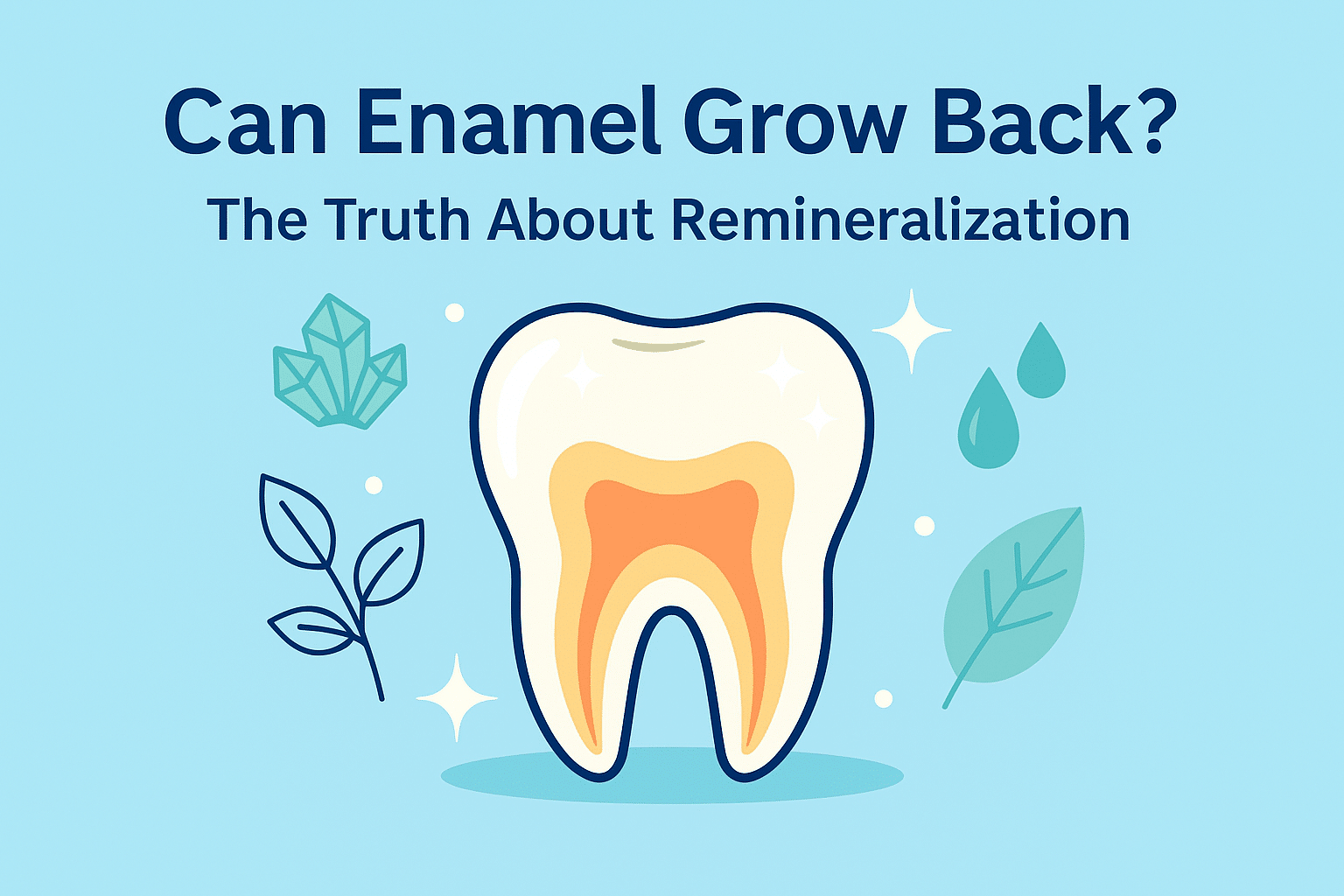
What do diamonds, beaver teeth, and your own mouth have in common? Strength. In fact, tooth enamel is the hardest substance in the human body—even harder than bone. But despite its strength, enamel is surprisingly vulnerable to everyday wear and tear. In this article, we’ll explore tooth enamel remineralization—what it is, why it matters, and how to naturally support your teeth’s strongest defense.
The Hardest Stuff You Can See
Here’s a fun fact: tooth enamel is the only part of your skeleton that you can see while you’re alive. While bones are tucked away under skin and muscle, enamel is on full display every time you smile.
Made mostly of hydroxyapatite (a crystalline calcium phosphate), enamel covers each tooth like a protective shell. It stands up to decades of chewing, biting, grinding, and acidic assaults. But once it’s worn down or eroded, your body can’t make more of it.
Enamel Can’t Regenerate—But It Can Remineralize
Here’s the twist: while your body can’t grow new enamel cells, it can repair weakened enamel through a process called tooth enamel remineralization. Saliva, trace minerals, and a healthy oral environment work together to deposit lost minerals back into the enamel surface, making it more resistant to decay.
However, remineralization has its limits. Once the enamel is physically worn away or cracked, no natural process can rebuild it.
Natural Ways to Support Enamel Health (Without Fluoride)
Remineralization is a subtle, ongoing process, and your daily habits make a huge difference. Here’s how to support your enamel—without relying on fluoride:
- Eat mineral-rich foods like leafy greens, seaweed, nuts, and seeds.
- Avoid acidic foods and drinks such as soda and citrus juices that erode enamel.
- Stay well-hydrated to support healthy saliva flow.
- Rinse, don’t brush immediately after acidic meals—give enamel time to recover.
- Oil pulling with coconut oil may help support oral microbiome balance.
The Role of Ozone in Enamel Protection
One fascinating area of research involves ozone therapy in dentistry, which may help make enamel more decay-resistant. Ozone can neutralize harmful bacteria and create a more favorable environment for remineralization. Curious how that works? Check out our post on ozone therapy for the full story.
Wrap-Up: Protect Your Armor
Tooth enamel remineralization is your teeth’s first line of defense and one of nature’s most impressive biological processes. But it’s not invincible. Understanding the difference between regeneration and remineralization is key to keeping your teeth healthy for life—naturally.
Want more offbeat insights like this? Explore the Weird Dental Facts archive and learn something new every week!
References
NIH: Tooth Enamel |
Cleveland Clinic: What Is Tooth Enamel?
by Dr. Richard J. Walicki | May 31, 2025 | Dentistry
What if your floss could do more than clean your teeth?
Let’s be honest: if flossing starts measuring stress, it might max out before you even open the package.
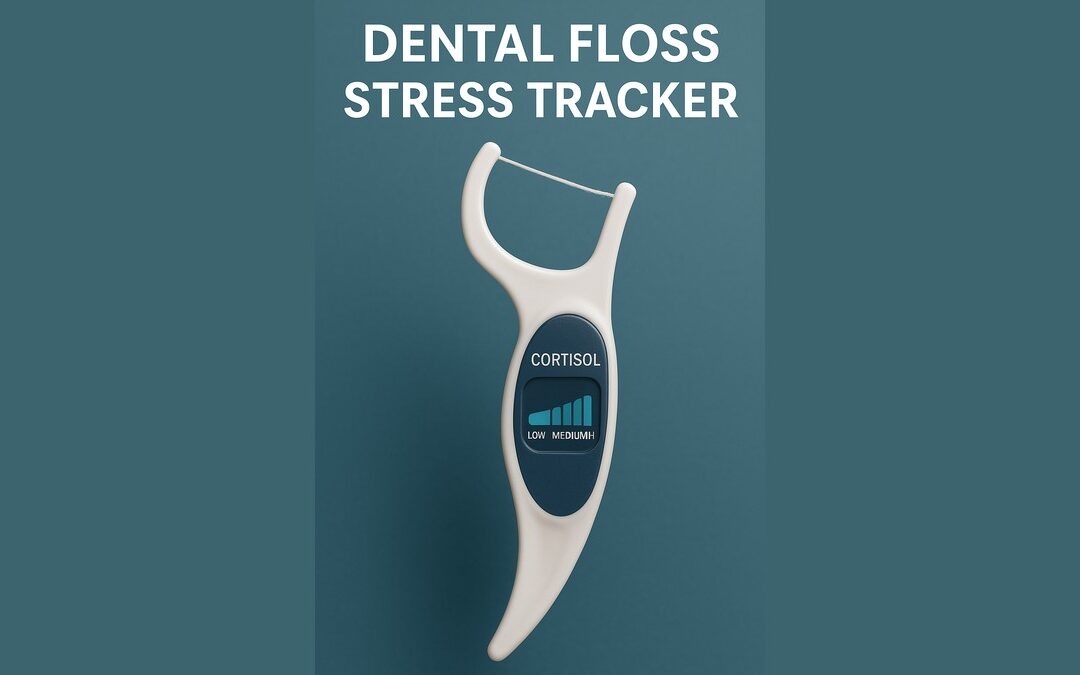
Well, scientists at Tufts University have created something new—a dental floss stress tracker that can check your stress levels using your saliva. This small but smart device might help you understand how your body is feeling, all while you’re taking care of your oral health.
What is a dental floss stress tracker?
This high-tech floss pick collects a little saliva as you clean between your teeth. Inside the handle is a sensor that measures cortisol, the hormone your body releases when you’re stressed. In just 10 minutes, it gives a simple reading that shows if your stress level is high, low, or somewhere in between.
Why is this important?
Stress can affect your heart, sleep, immune system, and more. Most people don’t realize how stressed they are until it becomes a problem. This easy-to-use floss could be a helpful daily check-in. It’s a great example of how simple tools can support better health.
Looking ahead
Researchers believe this smart floss might someday check for other things too—like signs of illness or blood sugar levels. For now, it’s a powerful new way to take better care of yourself using tools you already know.
Want to see where it started? Read the original article from Conexiant.
And if you’re into fun facts about teeth, check out our Weird Dental Facts page for more interesting reads!